
Settling in Thailand,
step by step.
Practical guides written by the Find Easy team in Bangkok, based on our clients’ questions.
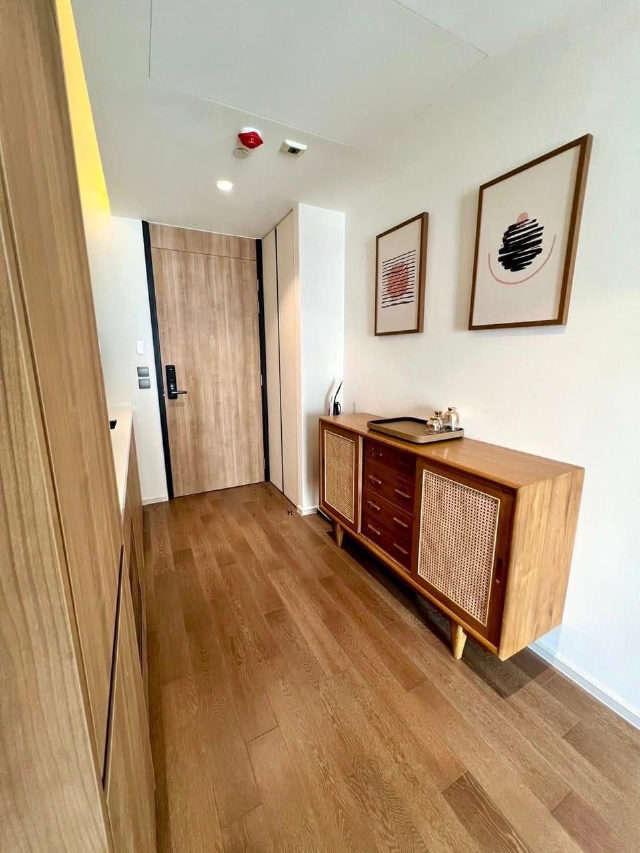
Renting a condo in Bangkok: the complete guide
Choose your neighbourhood based on your daily journeys first, then the apartment. Budget for several months of rent upfront (security deposit and advance…
Buying in Bangkok: from first contact to handing over the keys
Buying a condo in Bangkok follows fairly regular steps: define the project, shortlist, view, check the unit and the building, make an offer, sign, transfer…
Buying off-plan in Thailand: risks and checks
Buying a condo off-plan often lets you pick your unit and spread the payments, but you are buying an apartment that doesn't exist yet. Before reserving, check…
Rental scams in Bangkok: how to spot them
The vast majority of rentals in Bangkok go smoothly, but a few scams come up again and again: copied listings, fake landlords, deposits requested before any…
Thai rental contract: the clauses to read before signing
In Thailand, a rental contract often fits in a few pages, in English and Thai. It is short, but every clause matters: term, notice, security deposit, repairs…
Condo common fees and sinking fund explained
Buying a condo in Thailand also means paying annual common fees (calculated per square metre) and, when buying new or sometimes on resale, a contribution to…
Opening a bank account in Thailand as an expat
A Thai bank account makes daily life easier: paying rent, instant transfers, QR code payments. Opening conditions depend on the bank, the branch and above all…
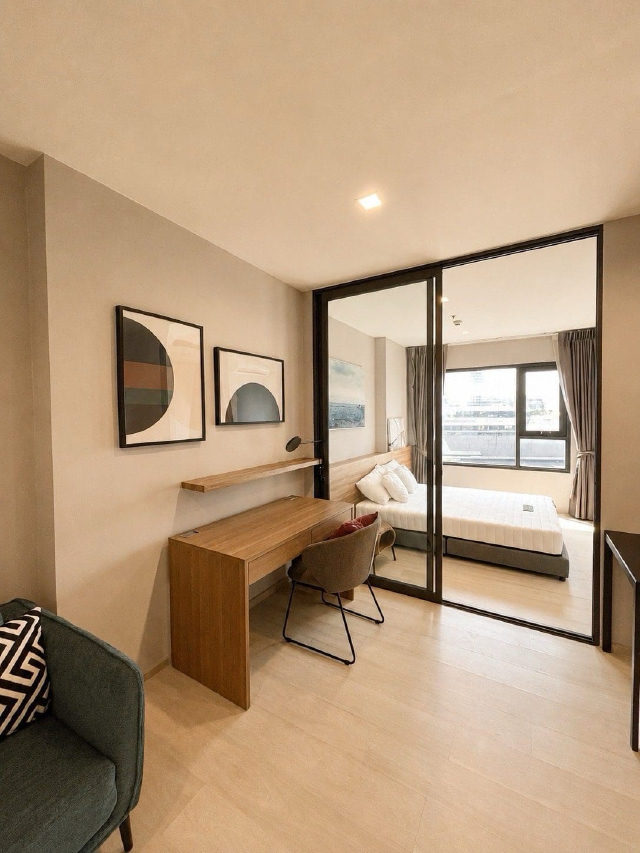
Condo or serviced apartment in Bangkok: which to choose?
A serviced apartment offers flexibility: monthly stays, cleaning, linen and reception included, but it usually costs more. A condo rented from a private owner…
Cost of living in Bangkok: a realistic monthly budget
In Bangkok, rent makes or breaks your budget: it is what separates a comfortable life from a tight one. Everything else depends on how you live: local food or…
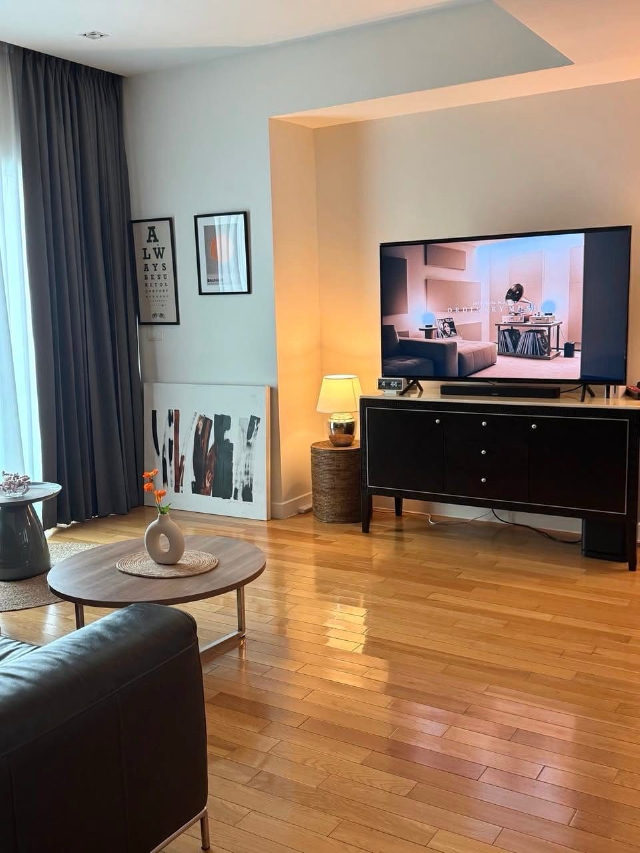
Living in Bangkok with a family: neighbourhoods and schools
As a family, you choose the school first, then the neighbourhood: traffic makes long school runs exhausting. The Lycée Français International de Bangkok is in…
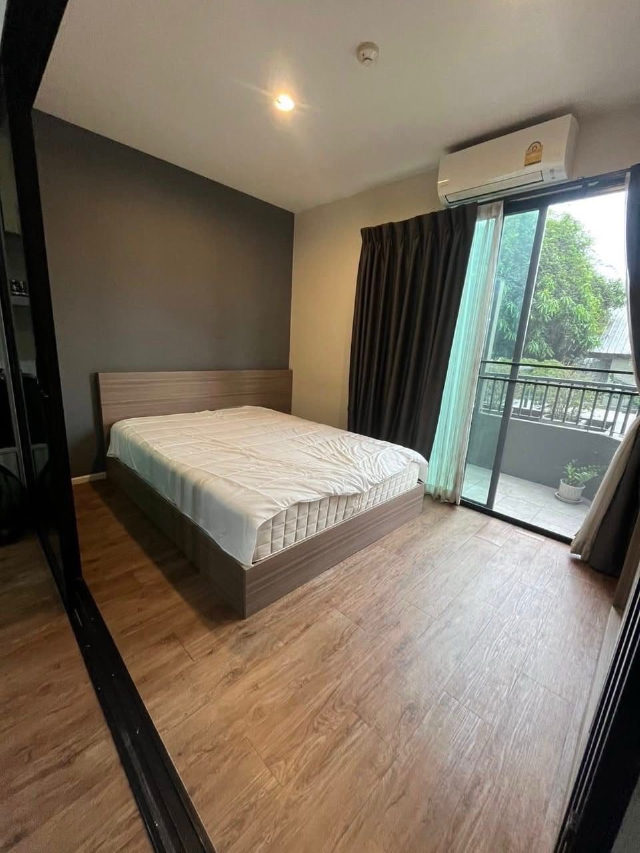
Financing a property purchase in Thailand as a foreigner
Getting a mortgage from a Thai bank is difficult for a foreigner, especially a non-resident. Most of our clients buy in cash with funds from abroad, or…
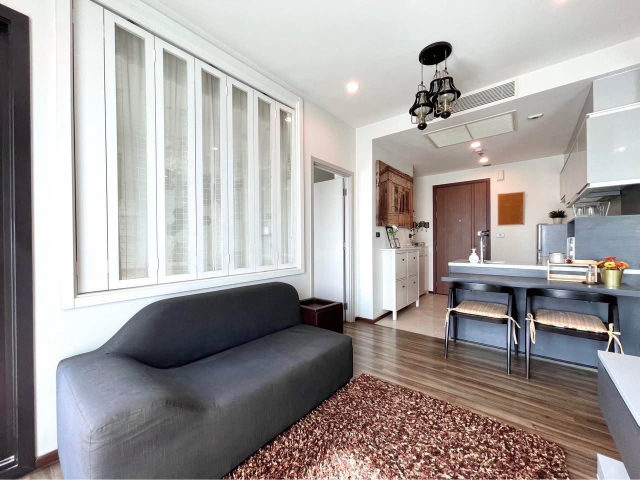
Condo buying costs in Thailand: who pays what?
A condo's asking price is not the total cost of buying it. On transfer day at the Land Office, several fees and taxes are due, and how they are split between…
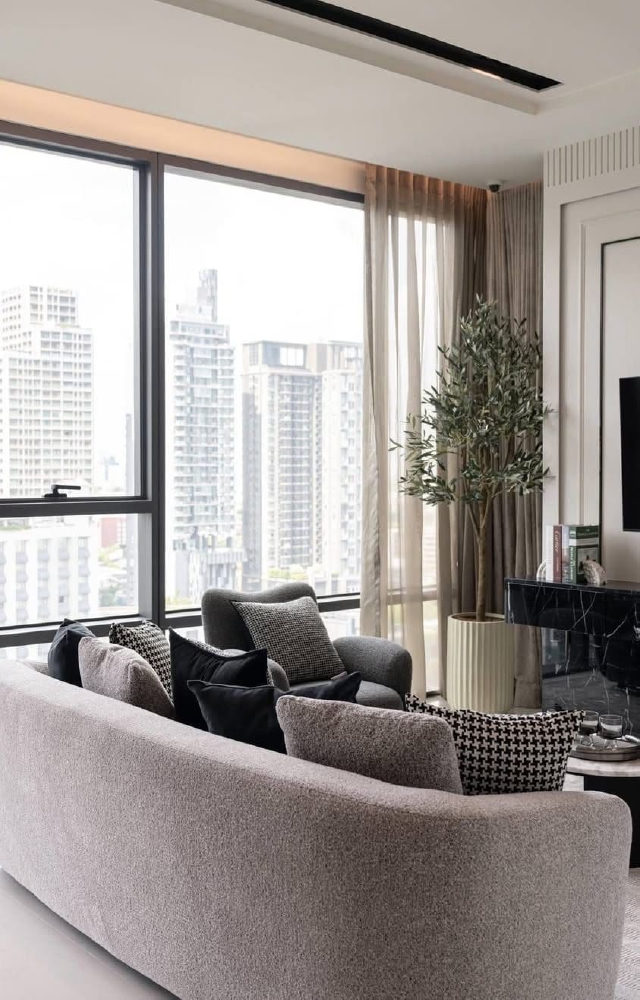
Thai tax residency: the 180-day rule
In Thailand, you are in principle a tax resident once you spend 180 days in the country in a calendar year. Since 2024, the Thai tax authority considers that…
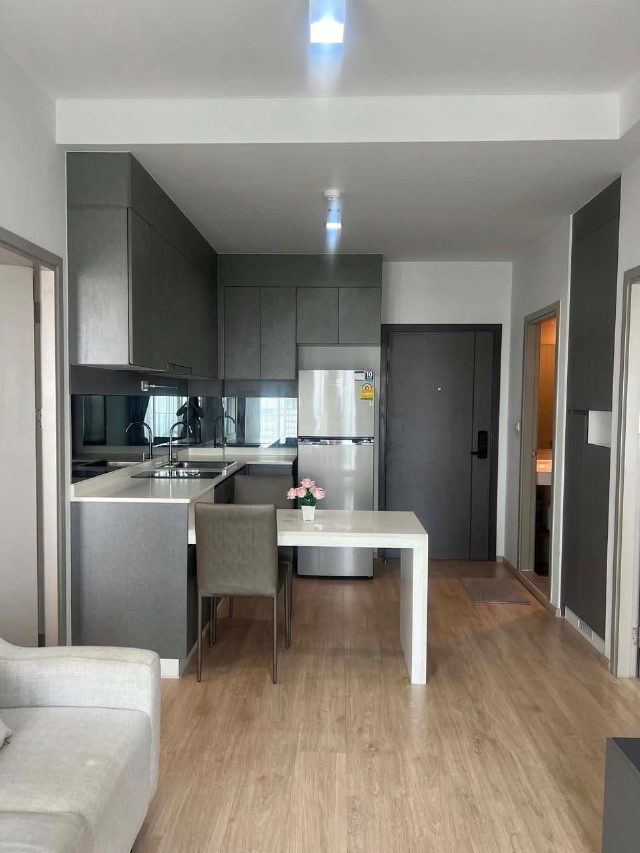
Buy-to-let in Bangkok: yields and neighbourhoods
Gross yield is simple to calculate: annual rent divided by the purchase price. On the properties in our catalogue offered both for sale and for rent, it sits…
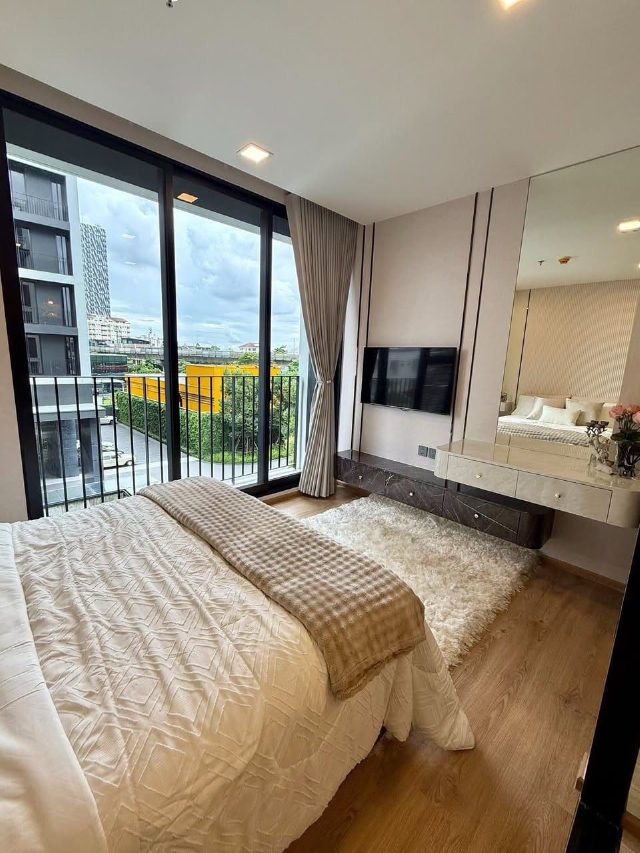
Renting out your condo on Airbnb in Thailand: the law
In Thailand, letting accommodation by the night or week to travellers generally falls under hotel regulations, which require a licence. Many condominiums also…
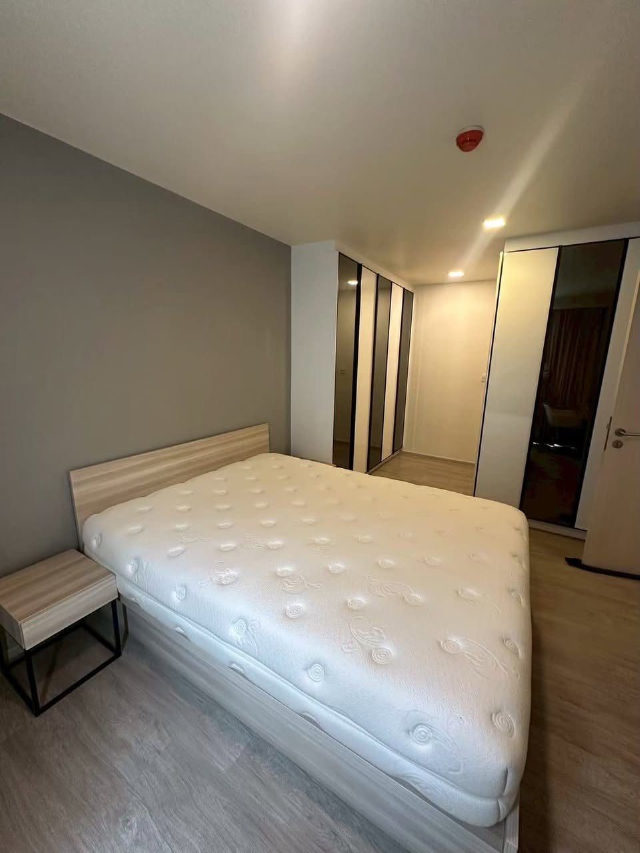
Renting in Bangkok with a dog or cat
Renting with a pet in Bangkok is possible, but the choice is smaller: you need the owner's consent and, above all, a building whose rules allow pets. Many…
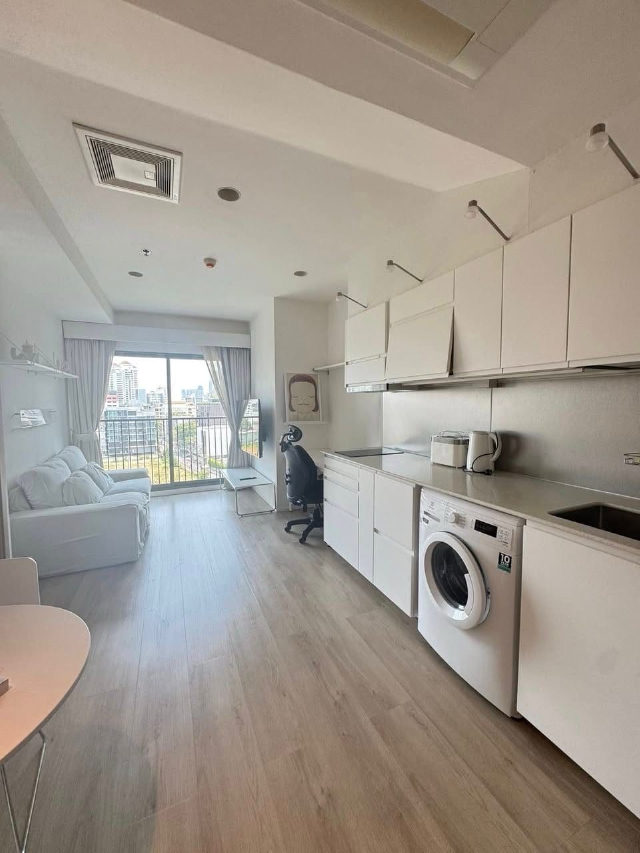
Furnished or unfurnished in Bangkok: what changes
In Bangkok, the vast majority of condos offered to expats are rented furnished: it is the simplest option for a first move. Unfurnished rentals are found…
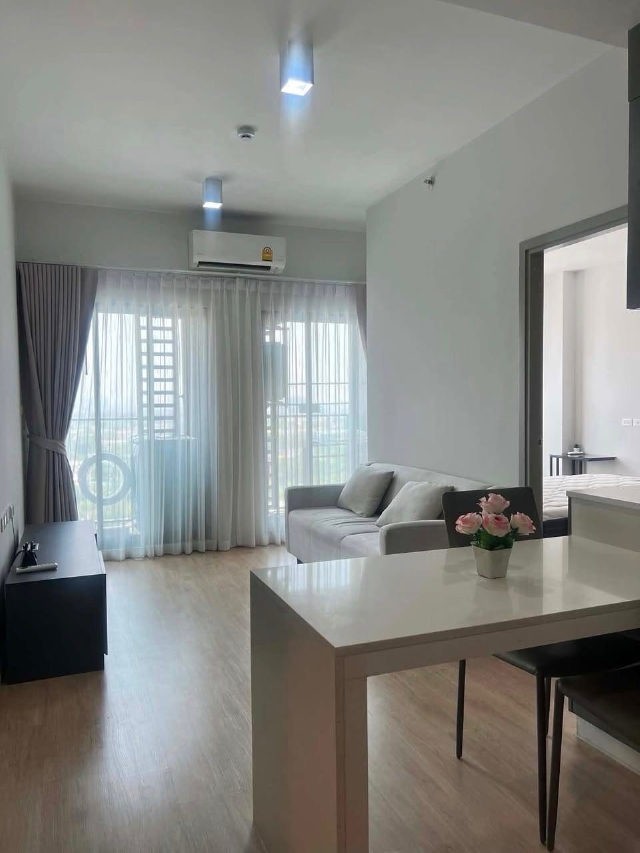
New or resale: how to compare two condos in Bangkok
A new condo offers recent facilities and a developer warranty, but is often sold off-plan with a delay and some uncertainty. A resale condo can be viewed as…
Bangkok, Pattaya, Hua Hin, Phuket or Chiang Mai: where to live?
Bangkok offers jobs, international schools, hospitals and the metro; Pattaya and Hua Hin draw retirees with the sea a few hours from the capital; Phuket is…
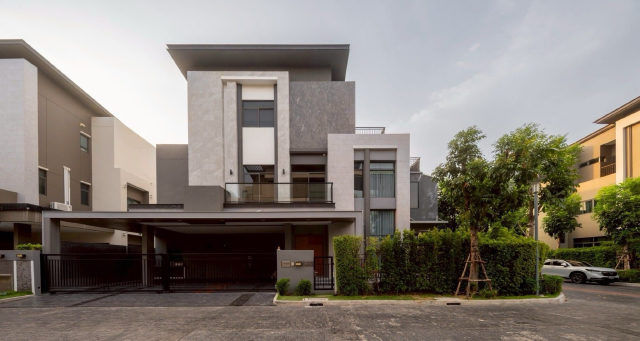
Freehold or 30-year lease: what can a foreigner buy in Thailand?
In Thailand, a foreigner can in principle own a condominium unit freehold, within the foreign quota of the building. For a house or villa, the land generally…
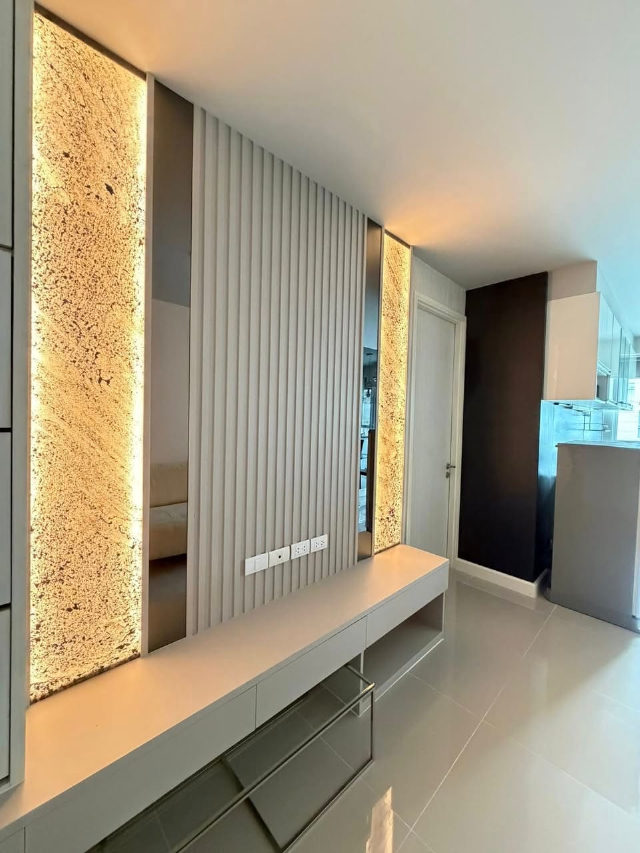
Living in Ari and Saphan Khwai: cafés, calm and the BTS
Ari is the area of cafés and quiet side streets, on the BTS Sukhumvit Line north of the centre. Its neighbour Saphan Khwai, more down-to-earth, offers gentler…
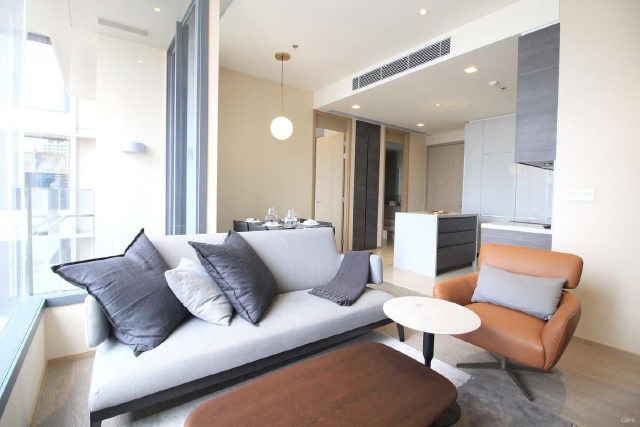
Living in Asok: the neighbourhood guide
Asok is Bangkok's great crossroads: it is where the BTS Sukhumvit line meets the MRT Blue Line. Offices, malls and high-rise condos make it ideal for people…
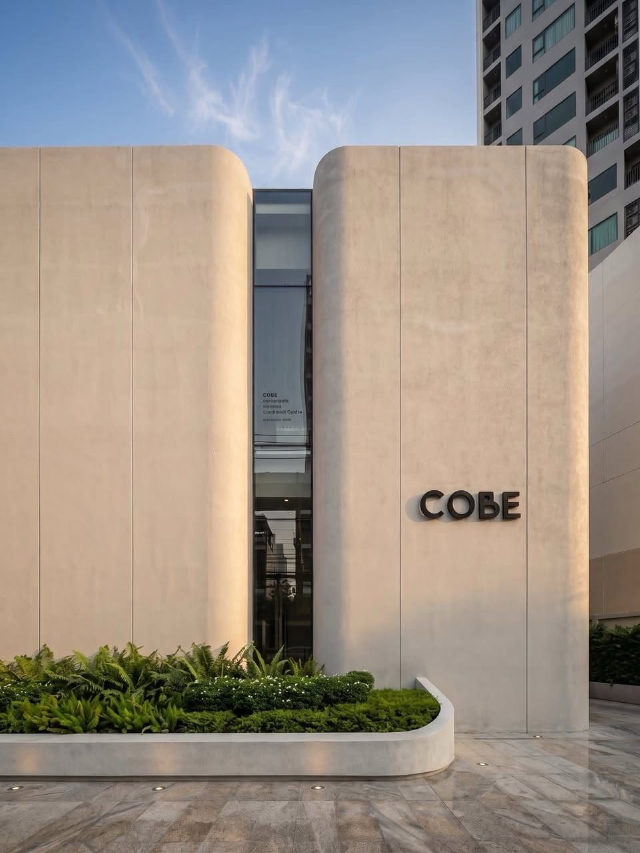
Living in Bang Bua: the neighbourhood guide
Bang Bua, in northern Bangkok on Phahonyothin Road, is a student and residential area between Kasetsart University and Sripatum University, served by the…
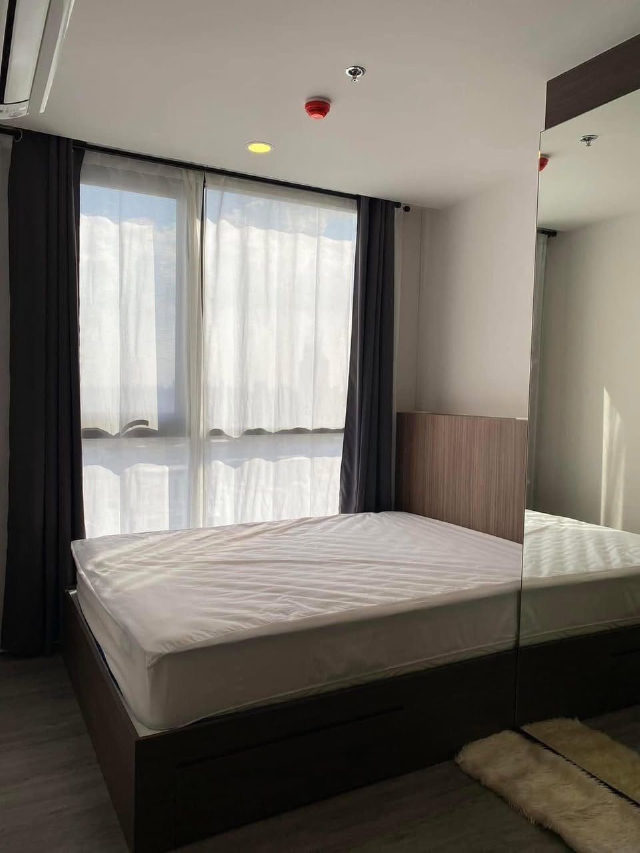
Living in Bang Kapi: the neighbourhood guide
Bang Kapi, in eastern Bangkok, is a busy shopping and student area around Lat Phrao Road and Ramkhamhaeng University. Served by the MRT Yellow Line, it offers…
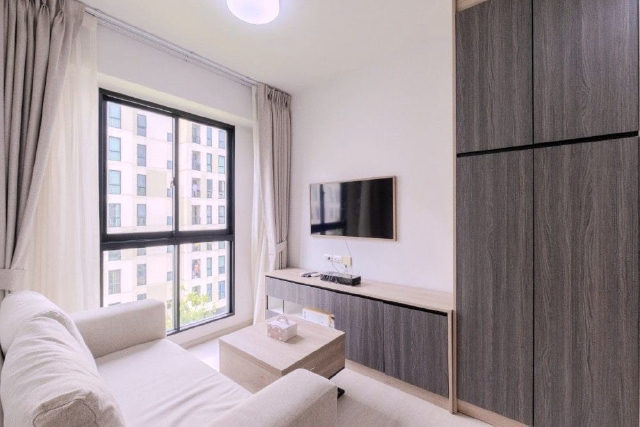
Living in Bearing: the neighbourhood guide
Bearing, at the south-eastern end of the Sukhumvit line's inner section, marks the border between Bangkok and Samut Prakan province. Residential and…
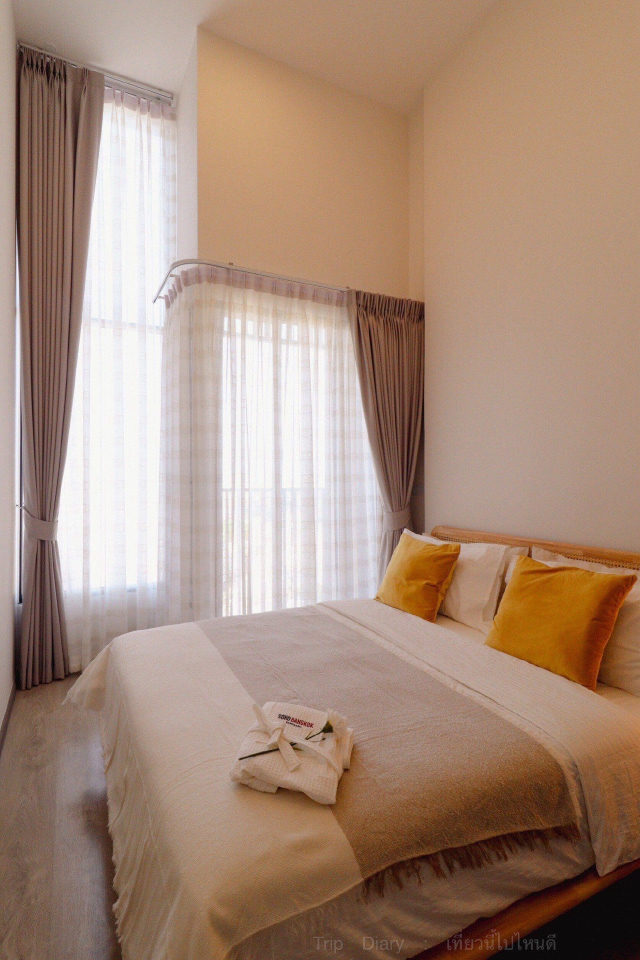
Living in Huai Khwang: night market, MRT and gentle rents
Huai Khwang, on Ratchadaphisek Road, is a lively and very Thai area, famous for its night market. Served by the MRT Blue Line, it gives quick access to Rama…
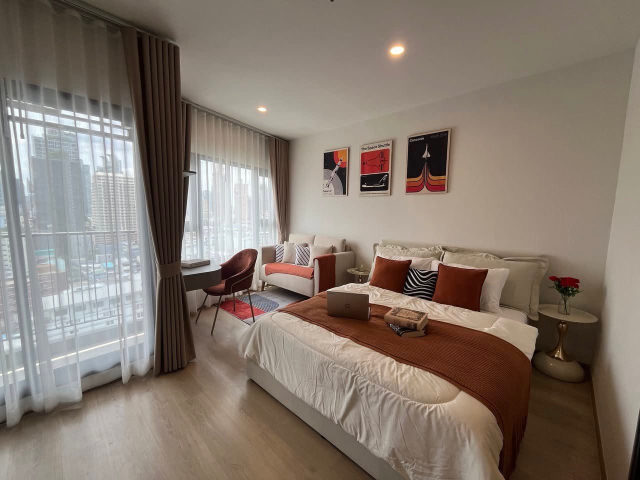
Living in Khlong Toei: the neighbourhood guide
Khlong Toei, between Sukhumvit and Rama 4 Road, is a neighbourhood in transformation: the large Benchakitti Park, the Queen Sirikit convention centre and…
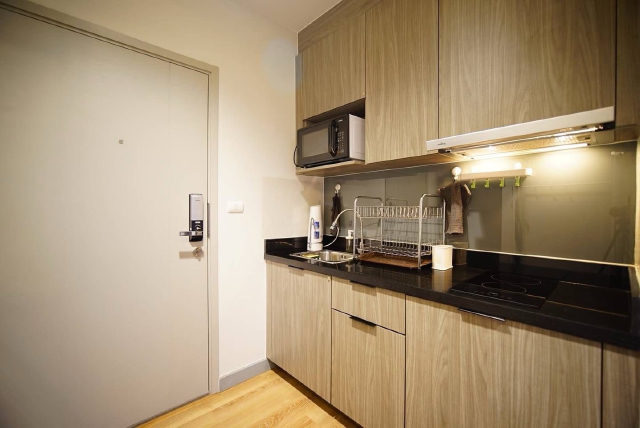
Living in Lat Phrao: three metro lines and Thai-style living
In northern Bangkok, Lat Phrao is a very well-served junction: MRT Blue Line, BTS Sukhumvit Line (Ha Yaek Lat Phrao) and the Yellow Line. A residential and…
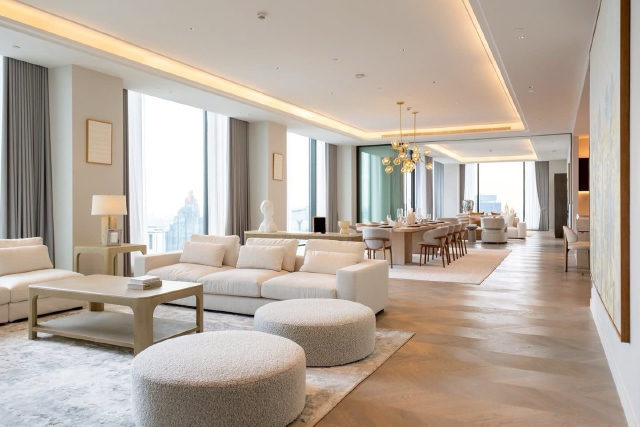
Living in Lumphini: the neighbourhood guide
Lumphini, around Bangkok's most famous park, is one of the city's most prestigious neighbourhoods, between Silom, Sathorn and Wireless Road. It offers…
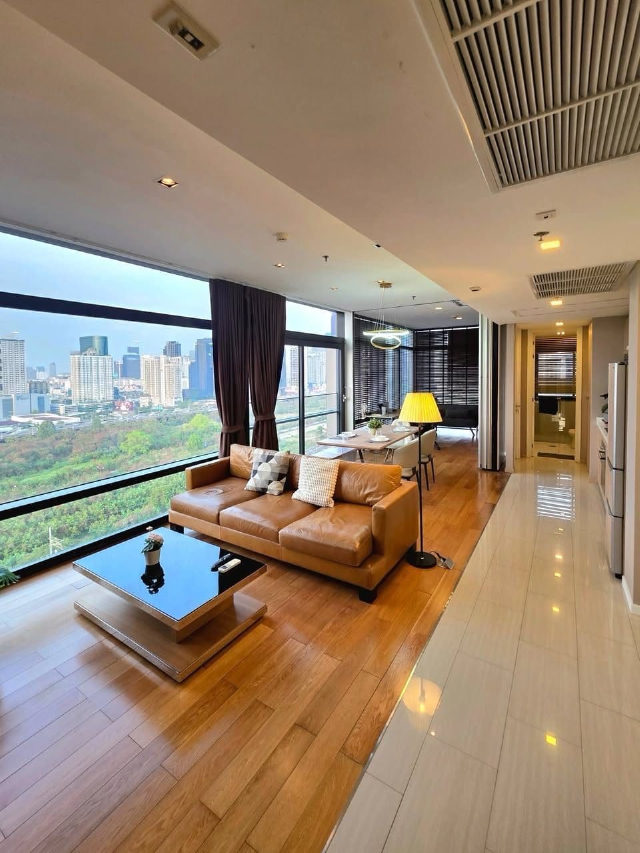
Makkasan and Ratchaprarop: living by the Airport Link
Between Asok, Rama 9 and Pratunam, the Makkasan area is one of Bangkok's best-connected: the Airport Rail Link to Suvarnabhumi, the MRT at Phetchaburi and…
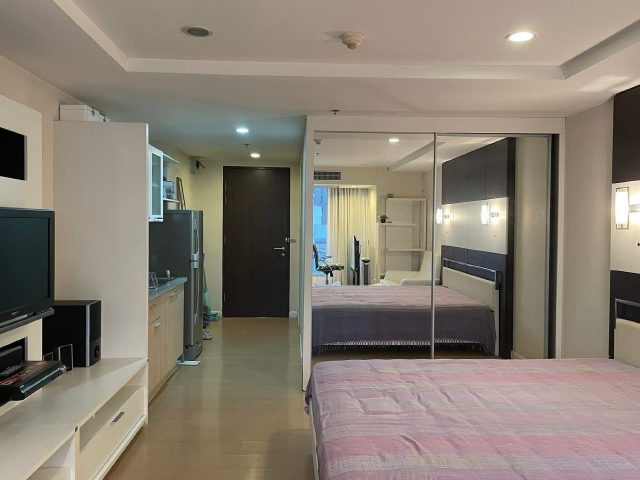
Living in Nana: the neighbourhood guide
Nana, at the start of Sukhumvit, is a very central, cosmopolitan and lively area, one stop from Asok and close to Bumrungrad hospital. Rents are more…
Living near National Stadium: Siam, culture and universities
Around BTS National Stadium you live next to Siam, MBK, the BACC art centre and Jim Thompson House. A very central area, popular with students and anyone who…
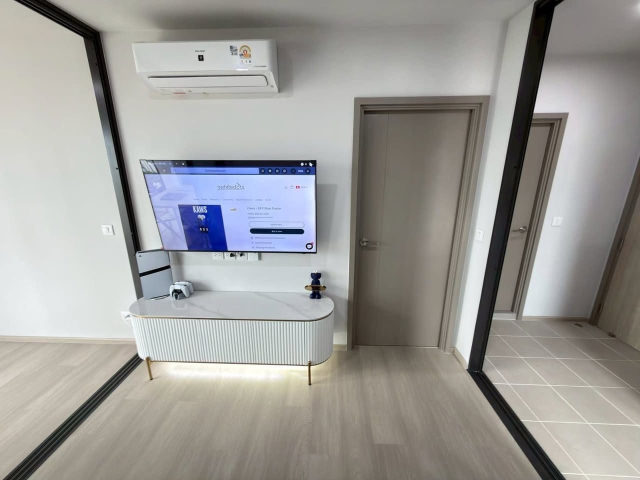
Living in On Nut: the neighbourhood guide
On Nut is the Sukhumvit-line neighbourhood with the widest choice on a small budget: many recent condos, complete shopping and the BTS to reach the centre. It…
Living in Phawana: the Yellow Line and Lat Phrao Road
Phawana is a residential area along Lat Phrao Road, served by the MRT Yellow Line, a few stops from the Lat Phrao junction. Calm, local and affordable, it…
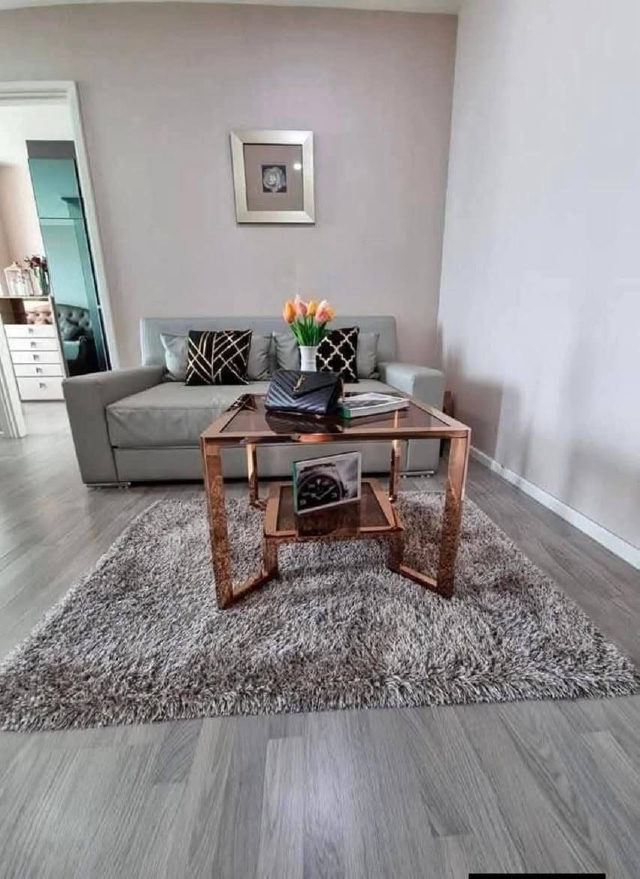
Living in Phra Khanong: the neighbourhood guide
Phra Khanong, just past Ekkamai on the Sukhumvit line, blends local life (market, canal, small restaurants) with recent condos. It attracts people who want to…
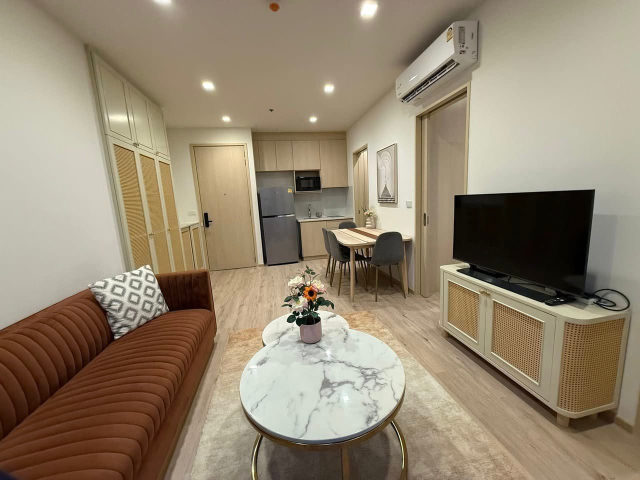
Living in Phrom Phong: the neighbourhood guide
Phrom Phong is the neighbourhood of large malls (Emporium, EmQuartier), Benjasiri Park and spacious family apartments. Well served by the BTS, it appeals to…
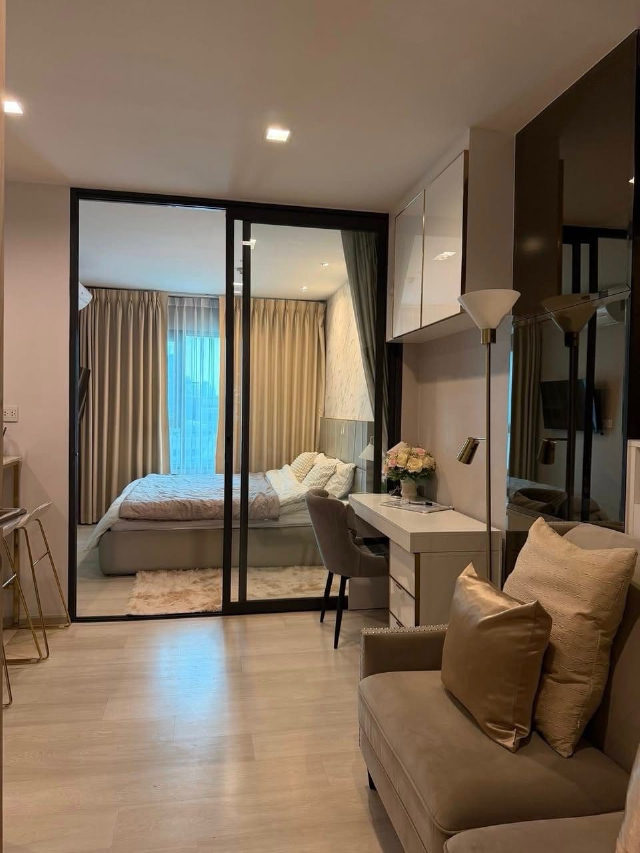
Living in Phloen Chit: the neighbourhood guide
Phloen Chit (often spelled Ploenchit) is a central, elegant neighbourhood between the department stores of Chit Lom, Wireless Road and its embassies, and…
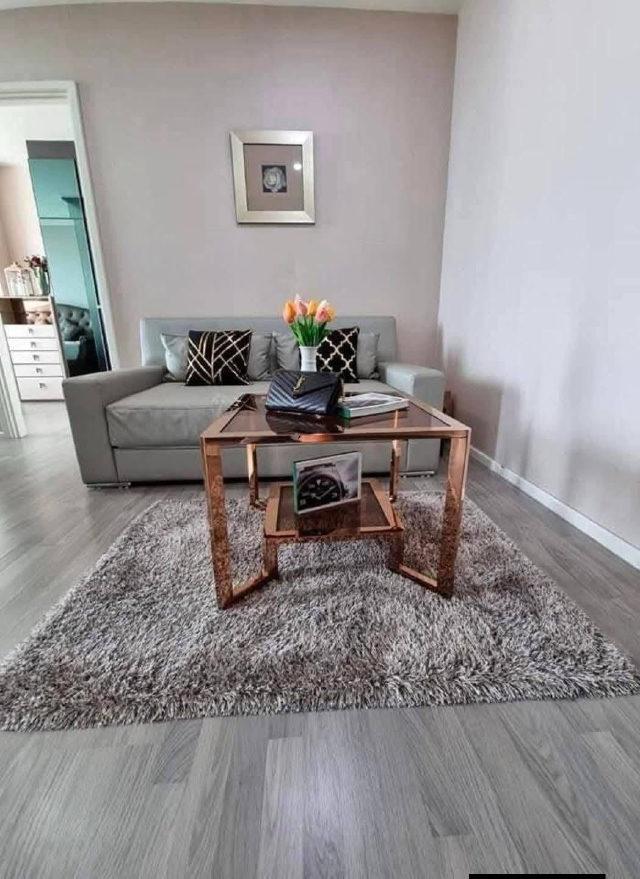
Living in Rama 9: Bangkok's new business district
Rama 9 is a recent district built around the MRT Phra Ram 9 station and large shopping centres. It offers modern condos, often roomier than on Sukhumvit for a…
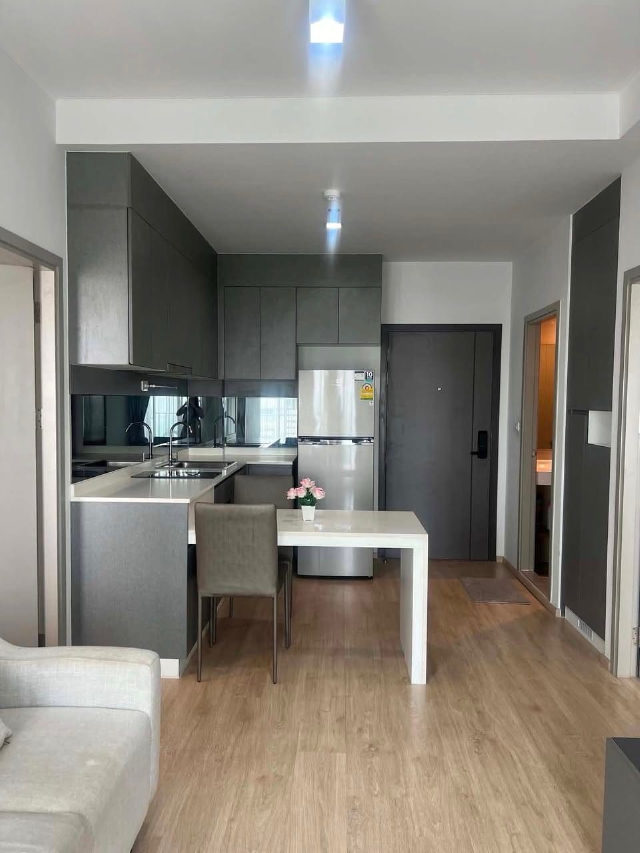
Living in Ramkhamhaeng: the Airport Link and east Bangkok
East of Rama 9, the Ramkhamhaeng area is served by the Airport Rail Link, halfway between the centre and Suvarnabhumi airport. A residential and student area…
Living in Ratchathewi: one stop from Siam
Ratchathewi is a central area, one stop from Siam on the BTS Sukhumvit Line, between Phaya Thai, Pratunam and Pathumwan. Handy for students and people working…
Living in Sutthisan: an affordable Thai area on the MRT
Sutthisan, between Huai Khwang and Lat Phrao, is a residential and very local area served by the MRT Blue Line. It has some of the gentlest rents in our…
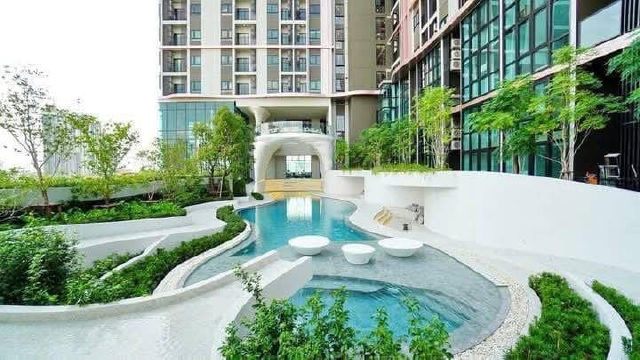
Living in Talat Phlu: Thonburi, its market and the BTS
Across the river, Talat Phlu is a historic Thonburi neighbourhood, famous for its market and street food. On the BTS Silom Line, it connects to Sathorn and…
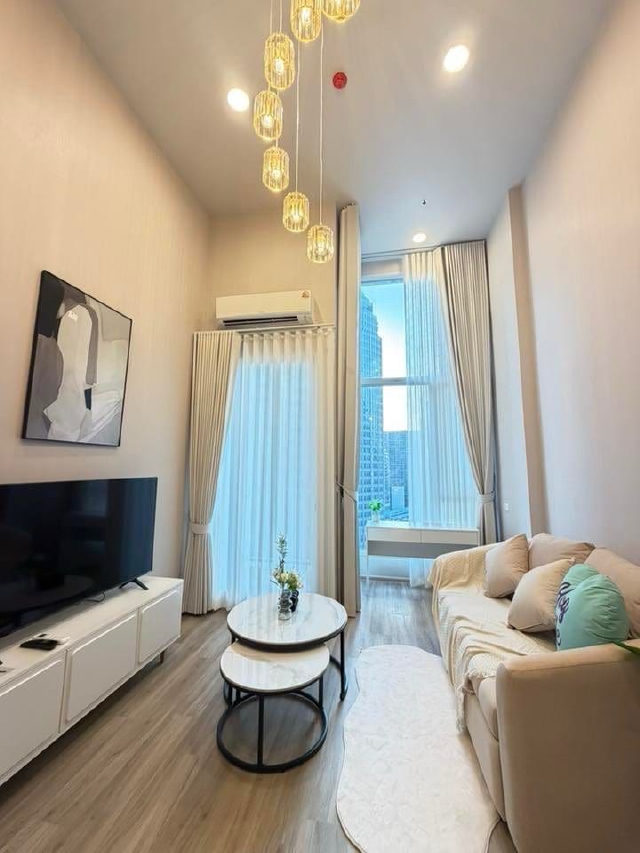
Living in Thong Lo: the neighbourhood guide
Thong Lo is one of Sukhumvit's liveliest neighbourhoods: restaurants, cafés, bars and recent condos around Soi 55. It suits professionals and couples who want…
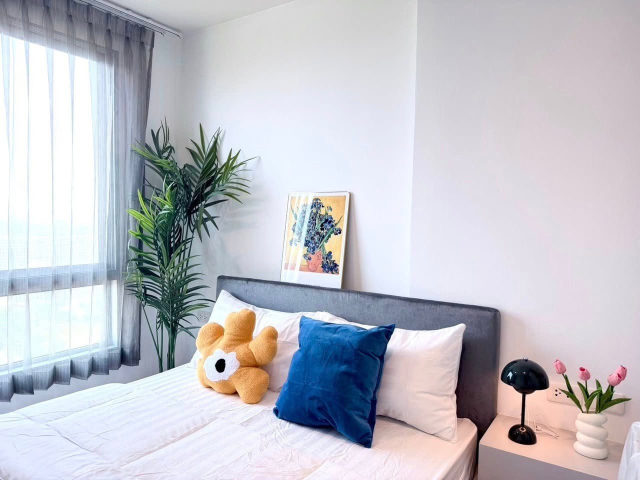
Security deposit in Bangkok: how to get it all back
The security deposit is often two months' rent: a significant sum, which you get back more easily if you prepared for it from the day you moved in. Inventory…
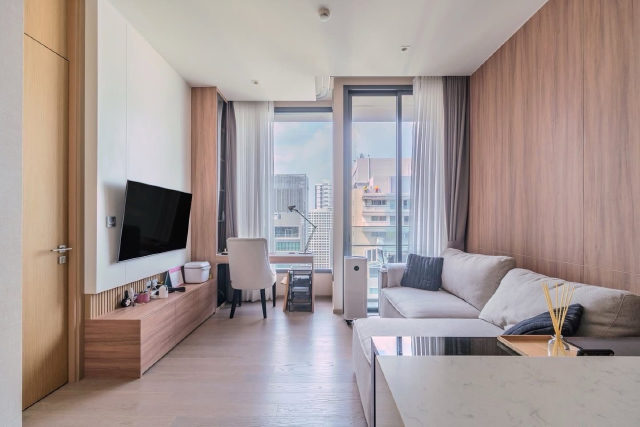
Selling your condo in Thailand and bringing the money home
Selling a condo in Thailand takes preparation: ownership documents, a clearance letter from the building, a realistic price, and a Thai or foreign buyer…
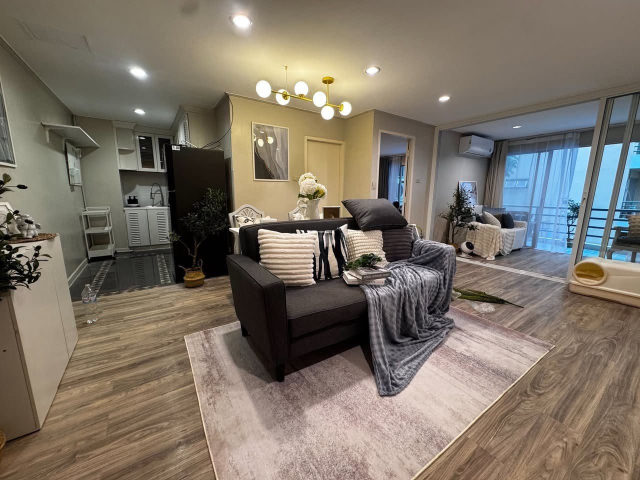
Leaving before the end of your lease: your options
A job transfer, a change of plans, a return home: sometimes you have to leave before the end of a 12-month lease. In Thailand, the consequences depend mainly…
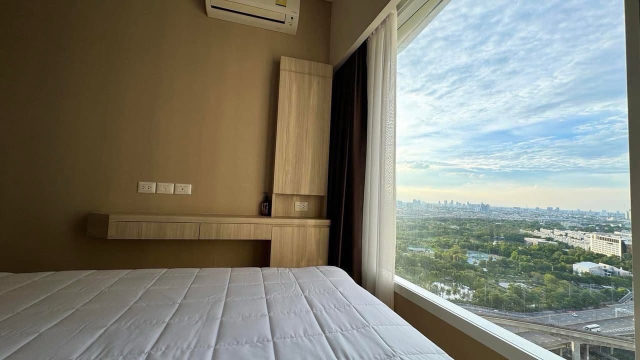
Getting around Bangkok: BTS, MRT and Airport Rail Link
In Bangkok, the Skytrain (BTS), the underground (MRT) and the Airport Rail Link let you avoid traffic on most central journeys. When choosing a home, what…
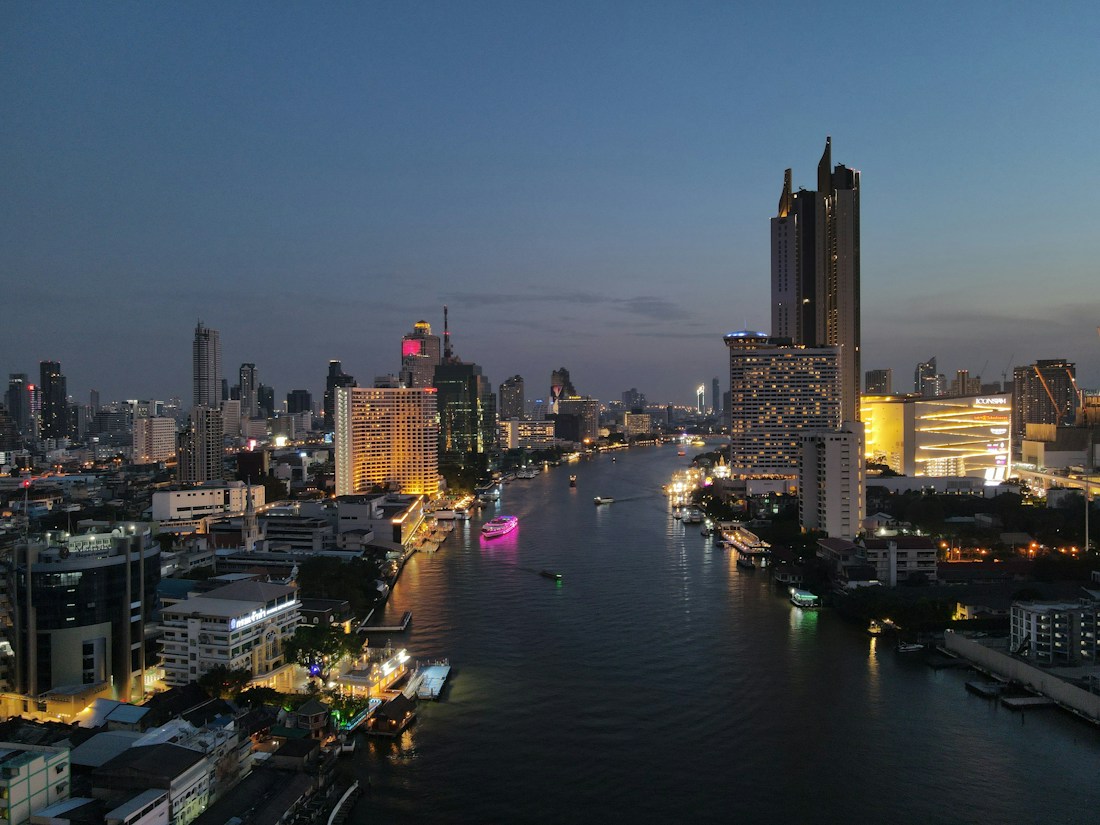
Healthcare in Bangkok: hospitals, clinics and health insurance
Bangkok has well-known private hospitals used to treating foreign patients, as well as major public university hospitals. Private care can be expensive…
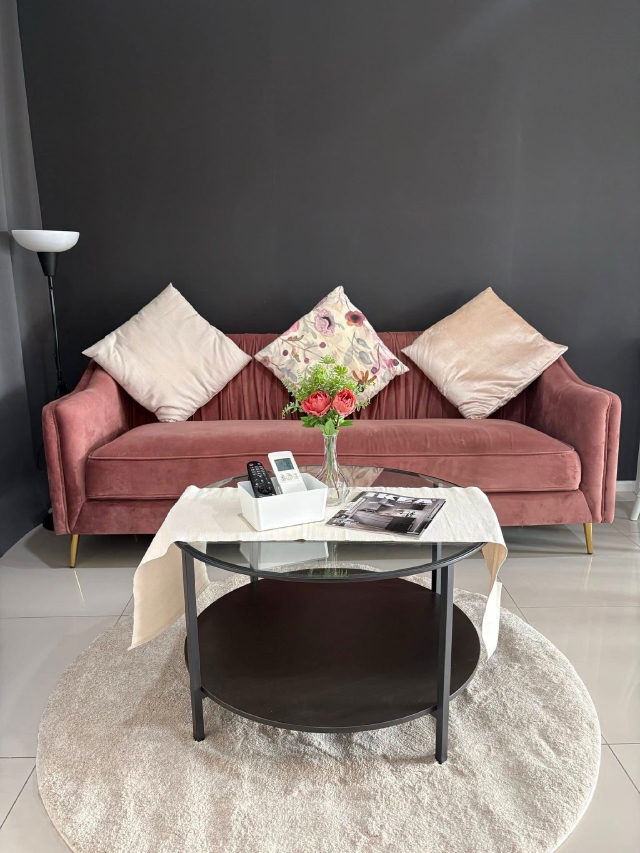
Declaring your address in Thailand: TM30 in practice
TM30 is the notification to immigration of the address where a foreigner is staying. It is in principle made by the owner, host or hotel, not by the tenant…
Buying a condo: transferring funds and getting the FET form
For a foreigner to register a condo in their name, the purchase money generally has to come from abroad and be documented by the Thai bank that receives it…
Thailand retirement visa: requirements and steps
The "retirement visa" in practice means a long stay granted to people aged 50 and over, subject to financial requirements. It either goes through a visa…
Visas for Thailand: understanding the main options
There is no single "expat visa": the right visa depends on why you are staying (tourism, work, retirement, family, study, remote work, long-term residence)…
Buying a condo in Thailand as a foreigner
A foreigner can buy a condominium unit in Thailand, within each building's foreign ownership quota, with funds brought in from abroad. Before committing…
Choosing your Bangkok neighbourhood to suit your lifestyle
In Bangkok, the right neighbourhood is first and foremost the one that shortens your daily journeys. Thong Lo and Phrom Phong appeal for their buzz and…
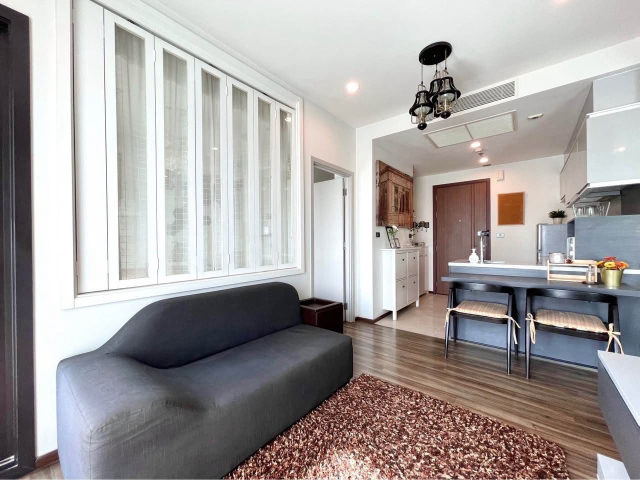
Electricity, water, internet: the bills to expect in Bangkok
In Bangkok, your electricity bill depends mostly on air conditioning and on how your building charges for it: at the public utility rate or at a rate set by…
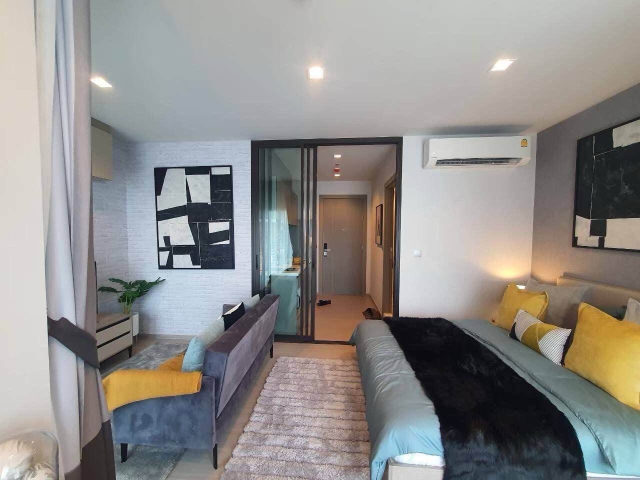
Preparing your arrival in Thailand: documents and first days
A smooth move is prepared several weeks ahead: choosing the right visa on official websites, gathering and translating your documents, taking out health…
Viewing a flat remotely: our method
A well-prepared video viewing lets you shortlist a home in Bangkok from abroad. Send your criteria beforehand, have everything the photos don't show filmed…
Find your answer.
Budget, viewings, lease, deposit, inventory, notice.
See the guides (9) ↗ Buying as a foreignerWhat you can buy, the steps, the costs, reselling.
See the guides (12) ↗ Visas & paperworkUnderstand the options, prepare your documents.
See the guides (5) ↗ NeighbourhoodsAtmosphere, transport and daily life, area by area.
See the guides (26) ↗ Daily lifeBanking, health, phone, transport, schools.
See the guides (5) ↗Renting in Bangkok, without surprises.
Renting a condo in Bangkok: the complete guide
Choose your neighbourhood based on your daily journeys first, then the apartment. Budget for several months of rent upfront (security deposit and advance…
Rental scams in Bangkok: how to spot them
The vast majority of rentals in Bangkok go smoothly, but a few scams come up again and again: copied listings, fake landlords, deposits requested before any…
Thai rental contract: the clauses to read before signing
In Thailand, a rental contract often fits in a few pages, in English and Thai. It is short, but every clause matters: term, notice, security deposit, repairs…
Buying property, with your eyes open.
Buying in Bangkok: from first contact to handing over the keys
Buying a condo in Bangkok follows fairly regular steps: define the project, shortlist, view, check the unit and the building, make an offer, sign, transfer…
Buying off-plan in Thailand: risks and checks
Buying a condo off-plan often lets you pick your unit and spread the payments, but you are buying an apartment that doesn't exist yet. Before reserving, check…
Condo common fees and sinking fund explained
Buying a condo in Thailand also means paying annual common fees (calculated per square metre) and, when buying new or sometimes on resale, a contribution to…
Paperwork, in the right order.
Thai tax residency: the 180-day rule
In Thailand, you are in principle a tax resident once you spend 180 days in the country in a calendar year. Since 2024, the Thai tax authority considers that…
Declaring your address in Thailand: TM30 in practice
TM30 is the notification to immigration of the address where a foreigner is staying. It is in principle made by the owner, host or hotel, not by the tenant…
Thailand retirement visa: requirements and steps
The "retirement visa" in practice means a long stay granted to people aged 50 and over, subject to financial requirements. It either goes through a visa…
Bangkok, one neighbourhood at a time.
Daily life, made simple.
Opening a bank account in Thailand as an expat
A Thai bank account makes daily life easier: paying rent, instant transfers, QR code payments. Opening conditions depend on the bank, the branch and above all…
Cost of living in Bangkok: a realistic monthly budget
In Bangkok, rent makes or breaks your budget: it is what separates a comfortable life from a tight one. Everything else depends on how you live: local food or…
Getting around Bangkok: BTS, MRT and Airport Rail Link
In Bangkok, the Skytrain (BTS), the underground (MRT) and the Airport Rail Link let you avoid traffic on most central journeys. When choosing a home, what…
Ask us — it may become a guide.
The team replies in English, French or Thai.
These guides give general pointers. For a visa, a purchase or a contract, check with official sources and professionals.