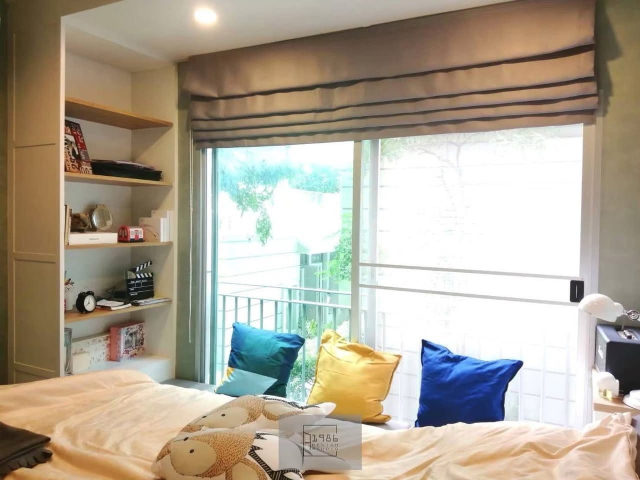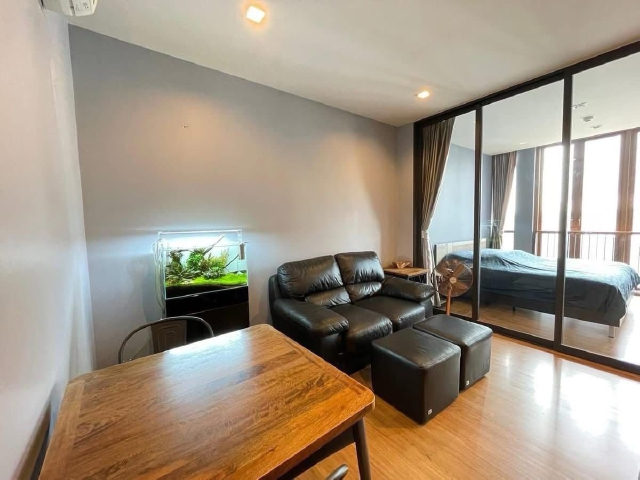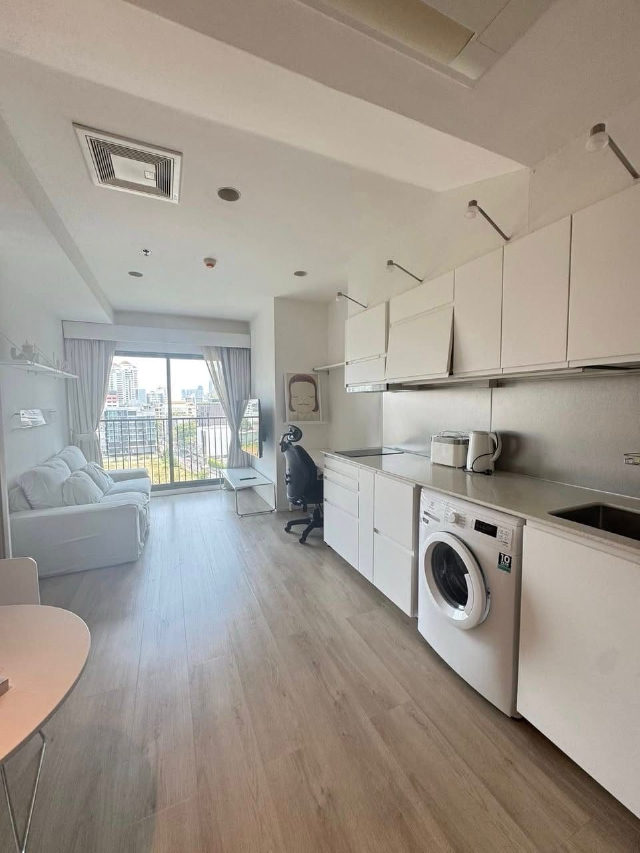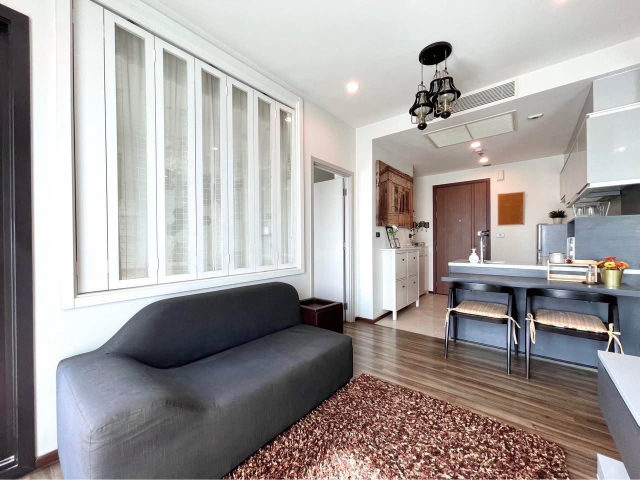

A condo's asking price is not the total cost of buying it. On transfer day at the Land Office, several fees and taxes are due, and how they are split between buyer and seller is negotiable. You also need to plan for extra costs: lawyer, sinking fund, charges paid in advance. This guide helps you ask the right questions and build a complete budget.
When you buy a condo in Thailand, the question "who pays what?" comes up with the very first offer. Practices differ from those in Europe: there is no notary, the transfer takes place at the Land Office, and most costs are settled on that day. This guide sets out the usual items so you can anticipate and negotiate them.
Important: the rates below are those usually applied and are given for guidance only. They can change (temporary measures, reforms) and depend on the seller's situation. Always have the exact amounts confirmed by your lawyer and the Land Office before signing.
1.Costs on transfer day at the Land Office
On transfer day, the Land Office calculates and collects several fees. The main ones are:
| Cost | Basis | Usual rate | Who usually pays? |
|---|---|---|---|
| Transfer fee | Official appraised value of the property | 2% | Negotiable, often split 50/50 |
| Specific business tax | The higher of declared price and appraised value | 3.3% | Seller, if it applies |
| Stamp duty | Same basis | 0.5% | Seller, if not liable for specific business tax |
| Withholding tax | Depends on the seller's status (individual or company) | Variable | Seller |
Two points are worth understanding:
- the appraised value is set by the authorities; it may differ from the sale price. Fees are therefore not always calculated on your price;
- specific business tax and stamp duty are not cumulative: it is one or the other. Specific business tax generally applies when the seller sells within five years of their own purchase, subject to exceptions.
The government sometimes introduces temporary reductions in transfer fees. They are often limited to certain buyers (for example Thai nationals) or certain price levels: do not count on them without written confirmation.
2.What buyer and seller negotiate
In practice, how costs are split is a matter of negotiation, and it must be written clearly into the sale contract. The most common arrangements are:
- transfer fee split equally, with the seller's taxes remaining the seller's: the most common arrangement for resale units;
- all costs paid by the seller, especially by some developers during promotions;
- all costs paid by the buyer, in a tight market or in exchange for a lower price.
A vague wording such as "costs as customary" leads to disputes on transfer day. Insist on a table with figures.
3.Seller-side costs worth knowing
Even if they do not concern you directly, the seller's costs affect the negotiation. A seller who resells quickly and pays specific business tax has less room to lower the price or cover your costs. Conversely, a long-standing owner may be more flexible. Ask how long they have owned the property: it is useful information.
4.Extra costs: lawyer, sinking fund, charges
Beyond Land Office fees, plan for:
- the lawyer: checking the title, any building debts, the foreign quota, drafting or reviewing the contract, representing you at the transfer. Agree the fee in advance;
- the sinking fund: in a new building, buyers are often asked for a one-off payment into the building's reserve fund, calculated per square metre;
- common charges paid in advance: in new buildings, paying a year of charges at transfer is common;
- utility meter deposits for water and electricity, if they need to be set up;
- the transfer of funds: bank and exchange costs for bringing money from abroad, an essential step explained in Buying a condo: transferring funds and getting the FET form;
- furniture and minor works, if the unit is not sold furnished.
For a resale unit, ask the building management for a debt-free certificate for common charges: it is generally required by the Land Office, and arrears must not become your problem.
5.Example of a complete budget
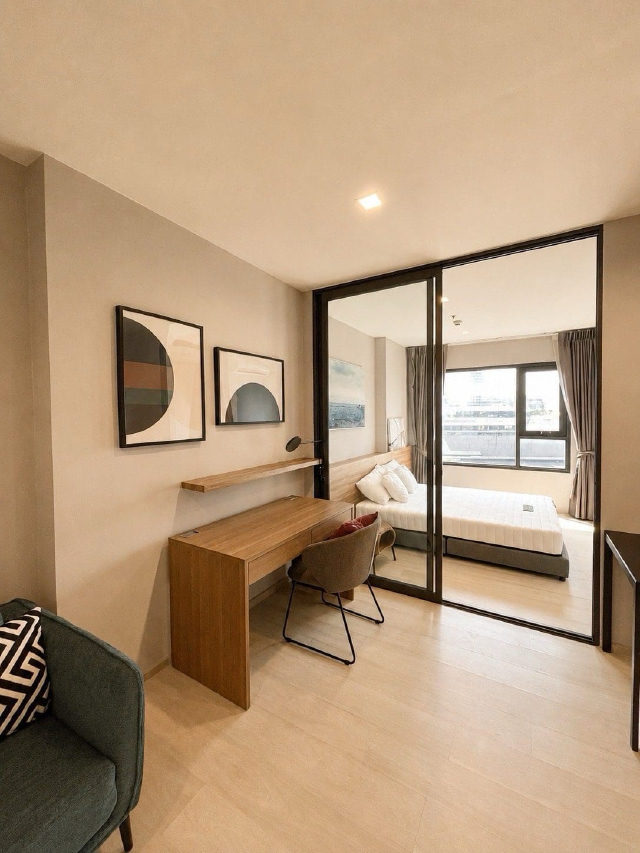
Let us take a simplified example: a one-bedroom condo listed at 4,200,000 ฿, like the Wyne by Sansiri in our catalogue (price on 10 October 2026). Assume the appraised value equals the price and the transfer fee is split equally.
| Item | Indicative calculation | Amount for the buyer |
|---|---|---|
| Price | — | 4,200,000 ฿ |
| Transfer fee (2%, buyer's half) | 4,200,000 × 2% ÷ 2 | 42,000 ฿ |
| Seller's taxes | Paid by the seller | 0 ฿ |
| Lawyer | Ask for a quote | To be confirmed |
| Sinking fund and advance charges | Depends on the building | To be confirmed |
| Bank transfer costs | Depends on your bank | To be confirmed |
This example is only an illustration: the actual appraised value, the negotiated split and the extra costs change the result. Above all, it shows that you need a margin beyond the price and the transfer fee.
6.New or resale: costs that differ
For a new unit, the developer often sets the split of costs in its standard contract, sometimes with a commercial offer ("transfer fee paid"). In return, the buyer almost always pays the sinking fund and advance charges. Read the reservation contract: it states these amounts, the payment schedule during construction and the refund conditions in case of delay.
For a resale unit, everything is negotiated with the seller, and the seller's tax situation matters more (specific business tax or stamp duty). There is generally no sinking fund to pay, but you must check that charges are up to date and that no mortgage remains registered on the property.
In both cases, keep a margin in your budget: the actual costs are only known for certain at the Land Office, on transfer day.
7.Questions to ask before reserving
- What is the property's official appraised value?
- Who pays the transfer fee, and in what proportion?
- Is the seller liable for specific business tax or stamp duty?
- Is there a sinking fund or are there advance charges to pay?
- Are common charges up to date? Will the certificate be provided?
- Is the foreign quota available, with written confirmation?
For an overview of buying, see Buying a condo in Thailand as a foreigner and Freehold or 30-year lease.
Official source: the Department of Lands (dol.go.th), which publishes the rules for property transfers. For your specific case, consult a lawyer.
Frequently asked questions
Who pays the transfer fee in Thailand?
It is negotiable. An equal split between buyer and seller is common for resale units; some developers cover everything. The split must be written into the contract.
What are the fees calculated on?
The transfer fee is generally calculated on the official appraised value, which may differ from the price. The seller's taxes have their own rules. Have the amounts confirmed by your lawyer.
Do I need a notary to buy in Thailand?
No, the transfer takes place at the Land Office. An independent lawyer is, however, strongly recommended to check the title and contracts.
Which costs are often forgotten?
The sinking fund and advance charges in new buildings, bank costs for the transfer of funds, and furniture.
General information updated on 10 October 2026; check your contract and with the Find Easy team.