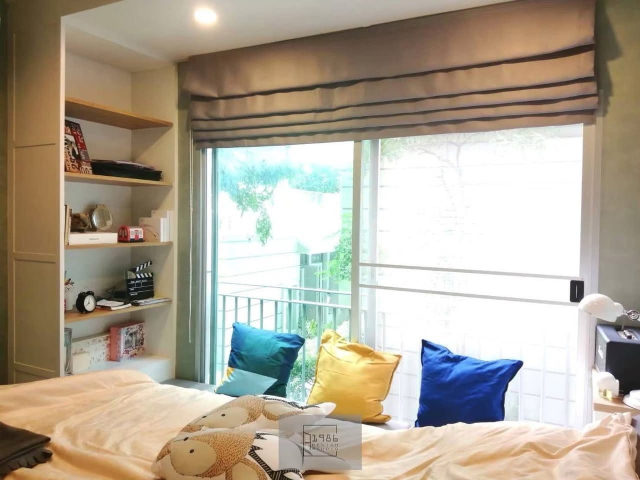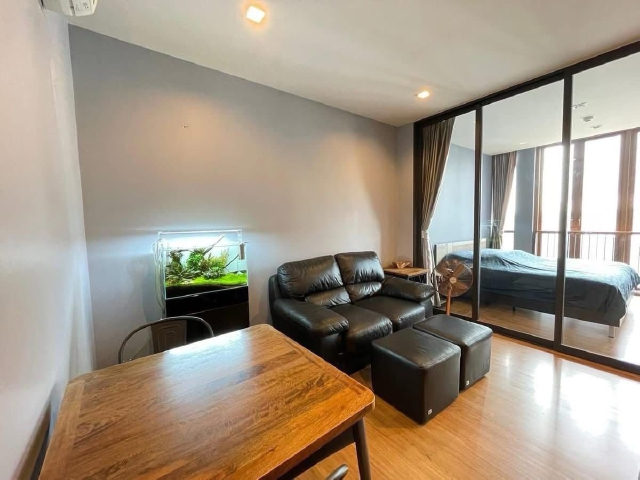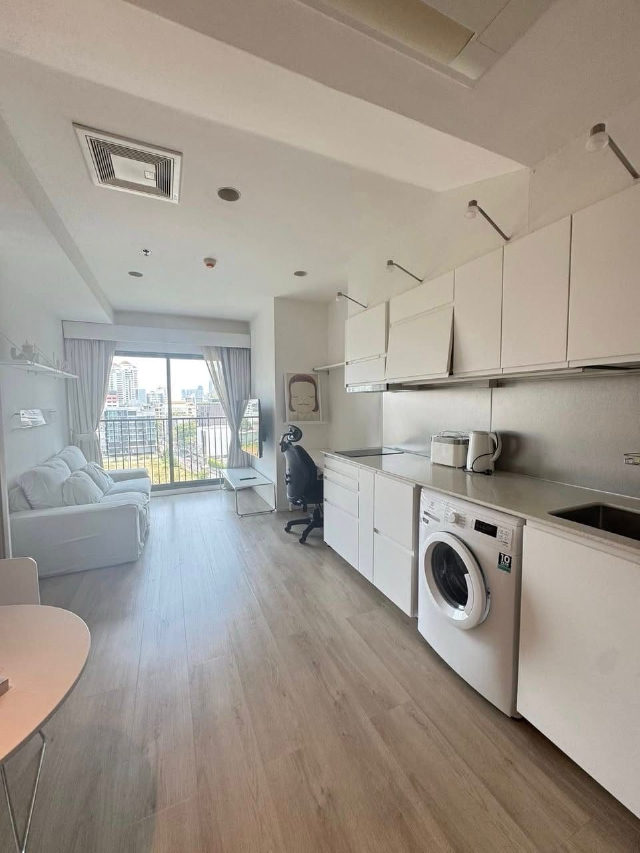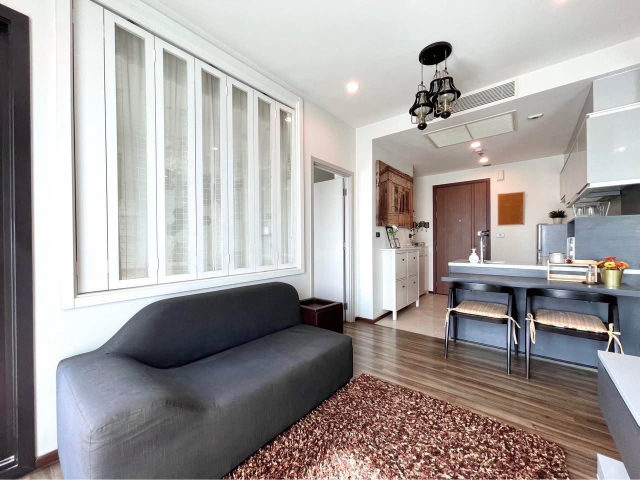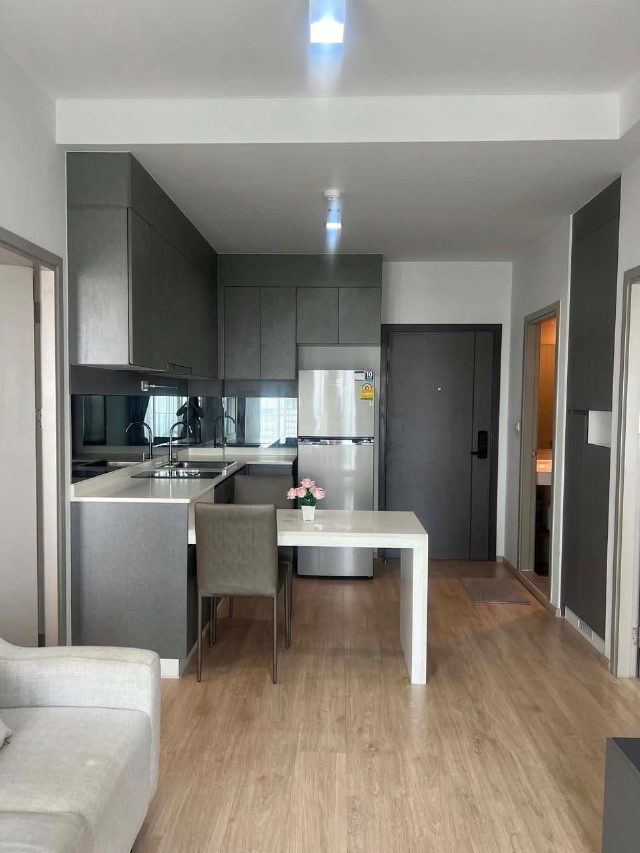

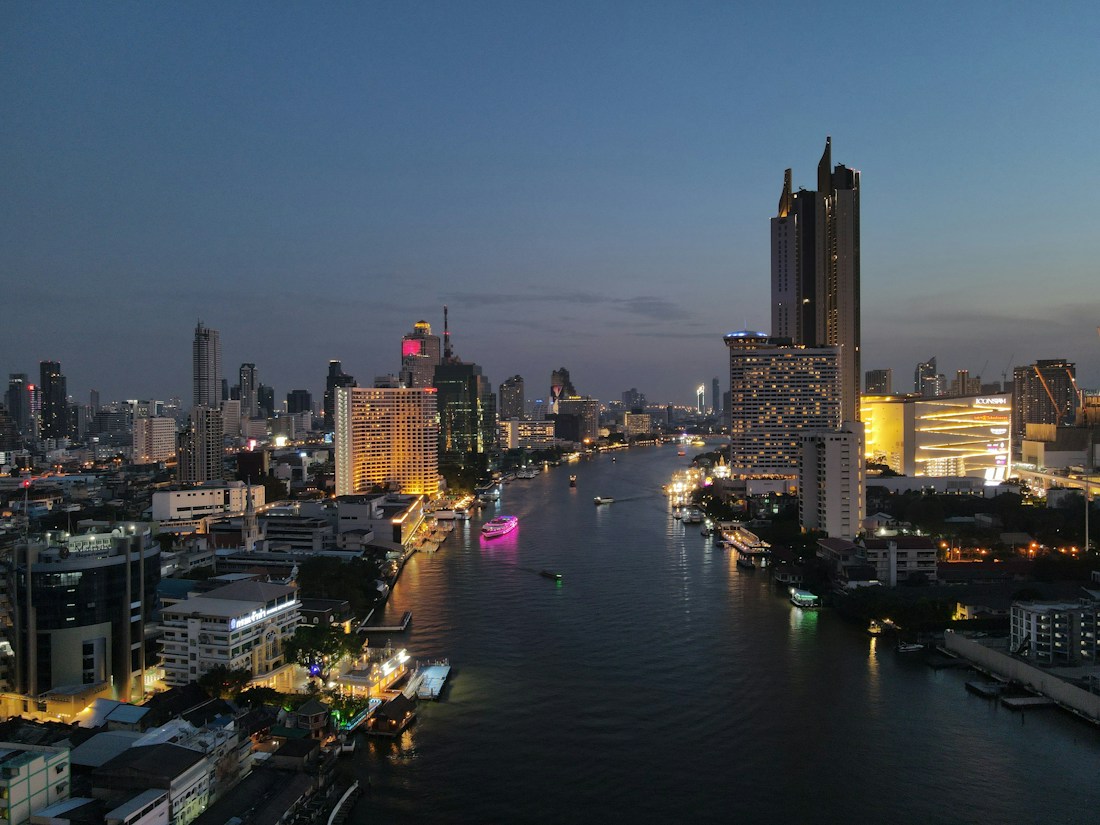
A foreigner can buy a condominium unit in Thailand, within each building's foreign ownership quota, with funds brought in from abroad. Before committing, check the quota, the title deed, the building fees, how transfer costs are split and the paper trail for your funds. Have the file reviewed by an independent lawyer.
Buying a flat in Bangkok, to live in, to spend part of the year in or to rent out, is a project we often support. It is possible for a foreigner, but the rules differ from those you may know in Europe. This guide lists the questions to ask before committing. It gives general pointers: it does not replace the advice of a lawyer or official information, which may change.
1.Can a foreigner buy property in Thailand?
As a general rule, a foreigner cannot own land in Thailand in their own name. However, they can buy a unit in a condominium (a "condo") freehold, provided the building still has room in its foreign quota.
This quota limits the share of a building's total unit area that may be owned by foreigners; it is commonly set at 49%. In some buildings popular with expats, it is already full: a unit can then only be sold to a foreigner if another foreign owner sells theirs.
For a house or land, other structures exist, such as long-term leases. They are more complex and absolutely require a lawyer's advice: we do not cover them in this guide.
2.Which questions should you ask before buying?
1. Is foreign quota available?
This is the first question. Ask for written confirmation, ideally from the building's management (the "juristic person"), that the unit can be sold to a foreigner.
2. Who is the owner, and is the title in order?
Ask for a copy of the unit's title deed and check that the seller is the owner, that the property carries no undisclosed mortgage and that the area matches the listing. A lawyer can carry out these checks with the relevant land office.
3. How much are the building fees?
Building fees ("common area fees") are usually calculated per square metre and paid in advance, for several months or a year. In a new building, a sinking fund is generally charged once, on purchase. Ask for:
- the current fees and when they were last increased;
- the certificate that the seller is up to date with fees (it is usually required for the transfer);
- the latest general meeting minutes: planned works, disputes, the building's financial situation.
4. How are transfer costs split?
On transfer day at the land office, several taxes and fees are due: a transfer fee based on the official appraised value of the property and, depending on the seller's situation, other taxes (specific business tax or stamp duty, withholding tax). How they are split between buyer and seller is negotiated and must be written into the sale contract. Have your lawyer calculate the total before signing.
5. Where do the funds come from, and how are they transferred?
For a foreigner to register a condo in their name, the funds must in principle come from abroad, in foreign currency, and the Thai bank receiving them must issue proof of this transaction. State in the transfer order the purpose (purchase of a condominium unit) and your name as buyer.
This is a technical and decisive point: a poorly documented transfer can block registration. Check the procedure with your bank and your lawyer before sending any money.
6. Off-plan or resale?
- Off-plan: launch prices, staged payments, a brand-new unit. But look closely at the developer's track record, delivery dates, penalties for delays and what is really included (kitchen, air conditioning, furniture).
- Resale: you see what you are buying, the building has a history, the management is already running. Look at the upkeep of common areas, the condition of the lifts and any works already voted.
7. Can you finance the purchase with a Thai mortgage?
Thai banks rarely lend to non-resident foreigners, and only under strict conditions. Most foreign buyers pay with their own funds or with a loan obtained in their home country. Check with your usual bank.
3.How much does a flat cost in Bangkok?
Prices vary enormously by neighbourhood, proximity to the metro, the age of the building and its facilities. Our listings range from studios near a station at a few million baht to large high-end flats well beyond that.
To compare, always relate the price to the area: the price per square metre is the best yardstick between two properties in the same neighbourhood. Also compare building fees, which weigh on the return of a rental investment.
4.Buying to let: which questions should you ask?
If you are buying to let, ask yourself these questions before looking at the advertised yield:
- Who rents in this area? Expat families, young professionals, students: demand differs from one area to another.
- Do the building rules allow short-term rentals? Many buildings forbid them, and Thai regulations restrict them strictly.
- Who will manage the property? Finding tenants, inventories, maintenance, collecting rent: remote management has a cost.
- What about tax? Rental income is taxable. Find out about taxation in Thailand and in your country of residence.
A gross yield is simple to calculate: annual rent divided by the purchase price. But it ignores building fees, vacancy between tenants and acquisition costs. Always ask for a net calculation.
5.The steps of a purchase
- Selection and viewings, in person or remotely.
- Offer and reservation: a reservation deposit is often requested, against a written document.
- Checks by your lawyer: title, quota, fees, contract.
- Sale contract: price, timetable, cost split, conditions precedent.
- Transfer of funds from abroad, with the bank's proof.
- Transfer of ownership at the land office, in person or by power of attorney.
- Handover of keys and change of name for the meters and the building.
6.The most common mistakes
- Sending the funds before checking the procedure: a transfer without the expected wording and proof can complicate registration.
- Signing on the strength of a verbal translation of a Thai-language contract: ask for an English version or a written translation.
- Forgetting building fees and the sinking fund in the budget, especially for new builds.
- Buying for short-term rental without checking the building rules and the regulations.
- Not thinking about resale: an unusual flat, poorly connected or in a badly maintained building is harder to sell.
- Skipping the lawyer to save time: it is often your only protection in a dispute.
7.Where can you find official information?
- The Thai Department of Lands: dol.go.th.
- The Bank of Thailand, for foreign exchange rules: bot.or.th.
- Your country's embassy in Thailand often publishes a list of lawyers; for French nationals: th.ambafrance.org.
8.How we support you
We help you select properties, organise viewings, ask the seller and the building management the right questions, and coordinate the steps with independent professionals (lawyer, bank). For any legal or tax question, we refer you to a lawyer: it is your best protection.
Frequently asked questions
Can a foreigner buy a house in Thailand?
As a general rule, a foreigner cannot own land in their own name. Other structures exist, such as long-term leases, but they absolutely require a lawyer's advice.
What is a condo's foreign quota?
It is the maximum share of a building's unit area that may be owned by foreigners, commonly set at 49%. Get written confirmation that there is room before committing.
Do I need to be in Thailand for the transfer of ownership?
No, the transfer can be done by power of attorney, in the form required by the land office. Your lawyer will explain the procedure.
Do I need a lawyer to buy a condo?
It is not compulsory, but we strongly recommend it: checking the title, the quota, the contract and the transfer of funds. Choose a lawyer independent of the seller.
General information updated on 10 October 2026; check your contract and with the Find Easy team.