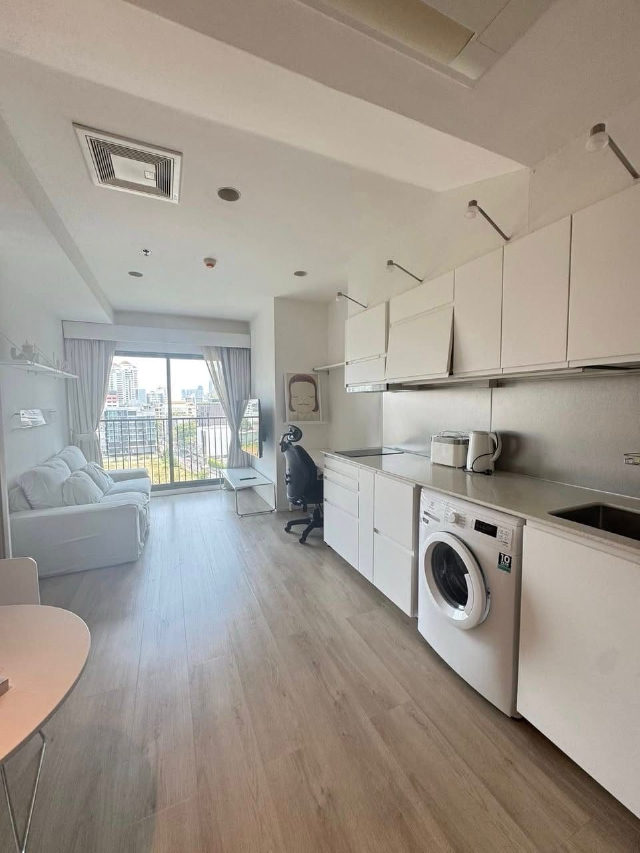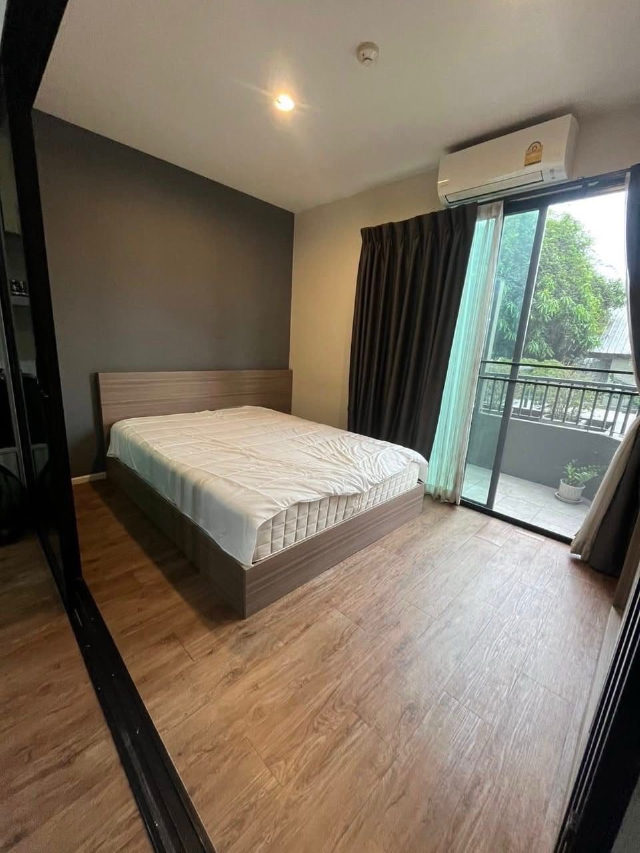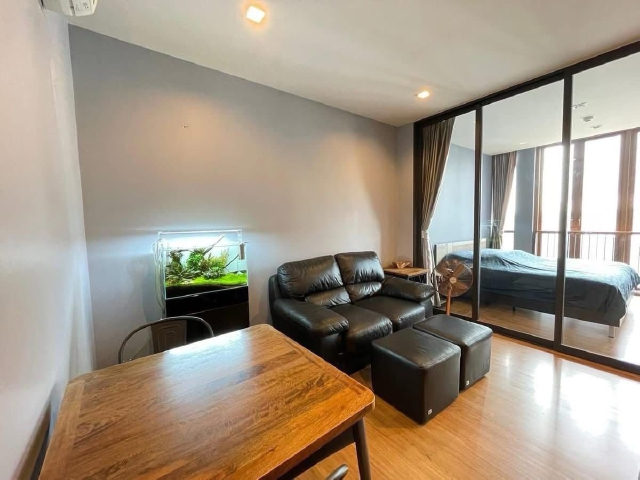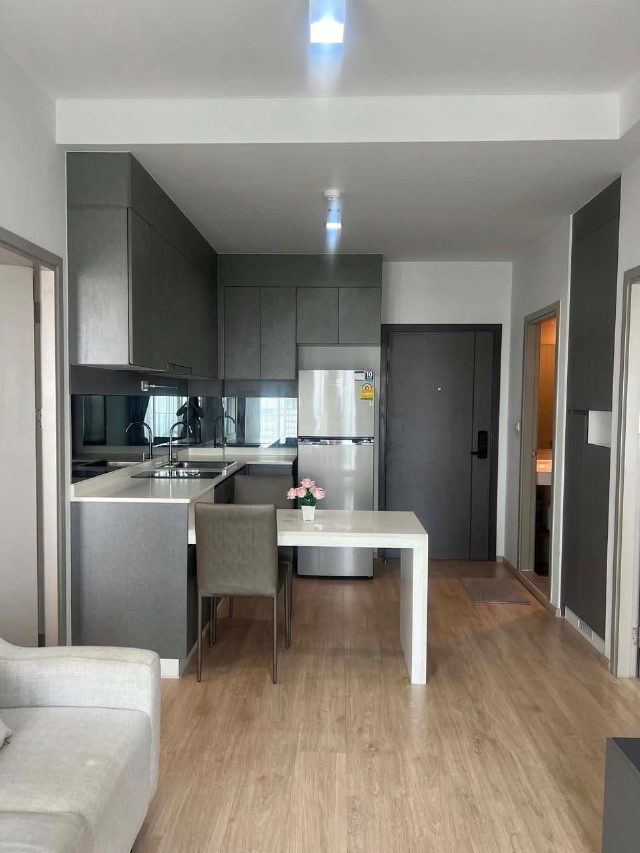

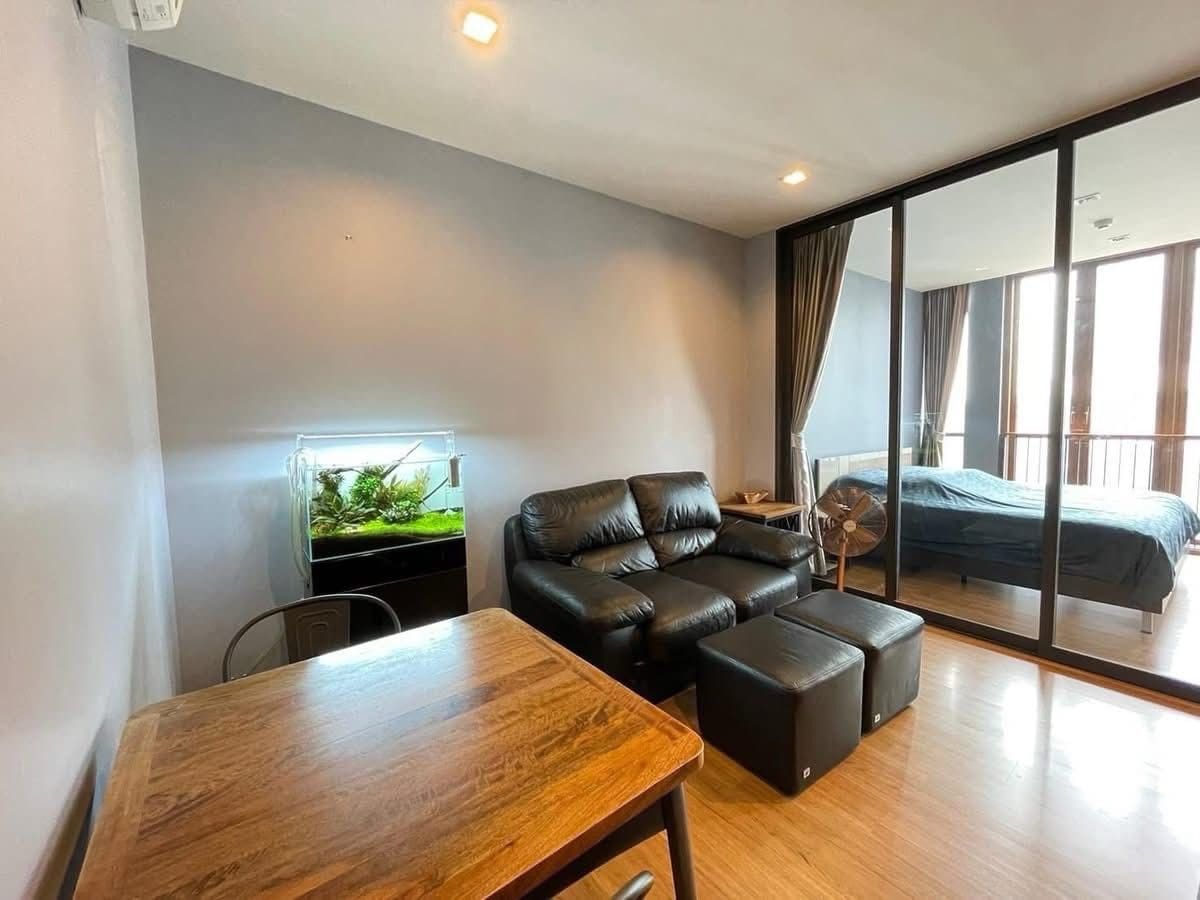
Buying a condo off-plan often lets you pick your unit and spread the payments, but you are buying an apartment that doesn't exist yet. Before reserving, check the developer, the land, the project's permits, the contract and the payment schedule, and plan for the handover. An independent lawyer should review the contract before you sign anything.
The sales galleries of Bangkok's big projects are often impressive: a glowing scale model, a decorated show unit, attractive launch terms. Buying off-plan can be a good move: you pick your floor and orientation, sometimes get a launch price and pay in stages. But you are buying a promise. This guide lists the real risks and the checks to make before reserving. It complements our guide Buying a condo in Thailand as a foreigner and does not replace a lawyer's advice.
1.What are the real risks of buying off-plan?
They are not unique to Thailand, but you need to know them:
- Late completion. A construction project can run months behind schedule, or more. Meanwhile your money is tied up and your plans (moving in, renting out) are pushed back.
- Changes to the project. A slightly different final floor area, substituted materials, revised building facilities: the contract should say what happens in these cases.
- The developer's financial strength. If the developer runs into financial trouble, the project can stall. Recovering what you paid then becomes slow and uncertain.
- The foreign quota at transfer. Your unit must be registrable in a foreigner's name on completion day: get this confirmed in writing when you reserve.
- Show unit vs reality. View, overlooking buildings, noise, orientation: a ground-floor show unit tells you nothing about your unit on the 18th floor.
2.Checking the developer
Start with the developer, before the apartment itself:
- Completed projects. Visit one or two finished buildings by the same developer: condition of the common areas, quality of the finishes, residents' opinions.
- Delivery record. Were previous projects completed on schedule?
- Structure. Some developers are listed companies that publish their accounts; others are smaller outfits. That is no guarantee in itself, but the information available differs.
- The company signing the contract. Each project is often held by a dedicated company: check which entity signs and how it relates to the developer's brand.
3.Checking the land and the permits
A lawyer can check for you:
- the title deed of the land the building stands on, and whether it is mortgaged to a bank (common when construction is financed by a loan);
- the building permit and whether it matches the project as presented;
- the environmental impact assessment (EIA), required for condominium projects above a certain size: a project that has not yet received approval may see construction delayed or changed;
- the condominium registration once the building is finished, which is required before units can be transferred.
4.Reading the sale contract
An off-plan contract is long and often written in Thai and English. Points to look at closely:
- the expected completion date and what happens if it is late (compensation, the right to cancel and be refunded);
- the floor-area tolerance: how the price is adjusted if the actual area differs from the contract;
- the list of fittings and finishes delivered (kitchen, air conditioning, flooring), attached to the contract;
- the cancellation terms on your side and what you would lose;
- resale before completion: some contracts let you assign your reservation, others forbid it or charge a fee;
- the split of costs at transfer (registration, taxes) and the charges due at handover (sinking fund, advance common fees).
Don't sign anything under pressure from an "offer valid today only". A good project doesn't vanish in twenty-four hours.
5.Payment schedule and safeguards
A typical off-plan payment schedule:
| Step | When | What to check |
|---|---|---|
| Reservation | Choosing the unit | Amount, refundable or not, deadline to sign the contract |
| Contract deposit | Signing the contract | Lawyer's review before paying |
| Instalments | During construction | Timetable, penalties if you pay late |
| Balance | Transfer of ownership | Foreign-currency funds from abroad, bank documentation |
For a foreign buyer, every payment coming from abroad must be documented: keep the bank's receipts, as the Land Office will need them and, if you sell later, so will your bank when you bring the funds home. Our guide Financing a property purchase in Thailand as a foreigner explains this rule.
Escrow arrangements exist in Thailand but are rarely used in off-plan sales. Ask the developer how your payments are protected, and ask your lawyer what that answer is worth.
6.The handover
When the building is finished, you will be invited to inspect your apartment before the transfer of ownership. This is a crucial step:
- inspect the unit room by room, or bring an independent inspector;
- check the floor area, finishes, electrics, plumbing, air conditioning and window seals;
- list every defect in writing and ask for it to be fixed before transfer, or as the contract provides;
- keep a signed copy of the list.
After the transfer, the contract usually provides a period during which the developer must fix certain defects: note how long it lasts and the procedure to follow.
7.Questions to ask at the sales gallery
Before reserving, ask these questions and get the answers in writing:
- What is the expected completion date and what tolerance does the contract allow?
- Has the project obtained all its permits, including the environmental impact assessment if required?
- How many units are already sold, and how much foreign quota is left?
- What are the estimated common fees and sinking fund?
- Which finishes and fittings are included, and which are optional?
- Can the reservation be assigned before completion, and on what terms?
- Who will manage the building after completion?
Vague answers, or a refusal to answer in writing, are information in themselves.
8.Comparing two new projects
To compare two projects, don't stop at the asking price. Bring everything back to the price per square metre, add purchase costs and the charges due at handover, and check the real walking distance to the metro station. Compare timelines too: a project completing in eighteen months and another in three years don't tie up your money in the same way. Finally, compare new with existing: a recent, completed apartment in the same area may offer a similar price with no wait and no construction risk.
9.Off-plan or completed?
A completed apartment can be visited, measured and rented out as soon as you buy it. An off-plan apartment sometimes offers a better price and your choice of unit, in exchange for waiting and some risk. There is no universal right answer: it depends on your timeline, your appetite for risk and the project. We can help you compare a new project with completed properties in the same area.
Frequently asked questions
Is buying off-plan in Thailand risky?
The main risks are late completion, changes to the project and the developer running into financial difficulty. You reduce them by checking the developer, the land, the permits and the contract with an independent lawyer before signing.
What is an EIA for a condo project?
It is the environmental impact assessment required for projects above a certain size. Its approval affects how construction proceeds: ask where the project stands and have it checked.
What happens if completion is late?
It depends on the contract: compensation, the right to cancel and be refunded, grace periods. It is one of the first clauses to have reviewed.
Can I resell an apartment before completion?
Some contracts allow you to assign the reservation, sometimes for a fee; others forbid it. Check this clause before signing if you are considering a quick resale.
Do I need an inspector at handover?
It isn't mandatory, but an independent inspector spots defects an untrained eye will miss. Either way, list the defects in writing before transfer.
General information updated on 10 October 2026; check your contract and with the Find Easy team.