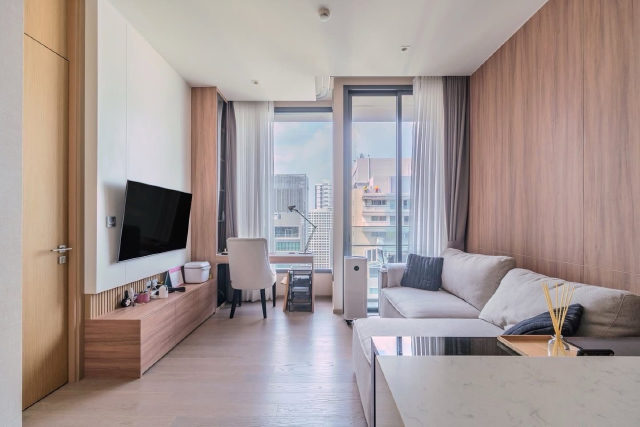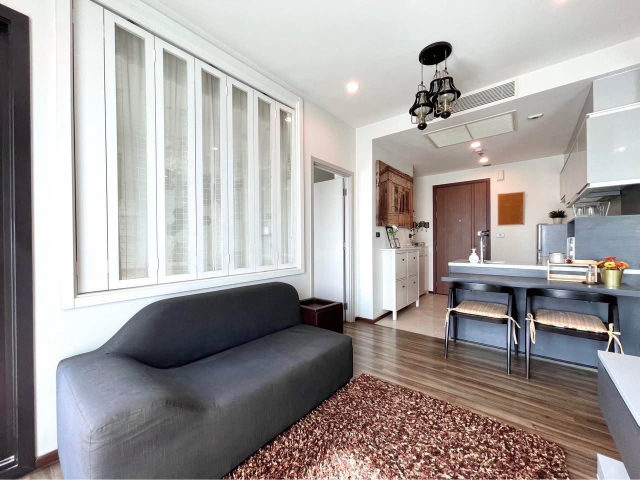


Buying a condo in Bangkok follows fairly regular steps: define the project, shortlist, view, check the unit and the building, make an offer, sign, transfer the funds, then go to the land office for the transfer of ownership. Timelines depend on the seller, the checks and your bank: none can be guaranteed in advance. Every legal document should be reviewed by a legal professional.
Buying an apartment abroad often feels more daunting than the purchase itself. In Bangkok, the process is fairly clear, provided you follow the steps in order and do not sign anything too early. Here is, step by step, how we support our clients from the first conversation to the day they receive their keys. This guide describes a general process: it does not replace a lawyer's advice, which is essential for the legal checks.
1.Step 1: clarify the project
Everything starts with a conversation. Living in the property, renting it out, spending part of the year there, preparing for retirement: the intended use changes the choice of neighbourhood, size and type of building. We also discuss the overall budget, including what comes on top of the price (transfer costs, common fees, sinking fund, furniture, any works) and where the funds will come from, which matters later.
At this stage, ask yourself three questions:
- where do you (or your tenants) live or work?
- how long do you plan to keep the property?
- will the funds come from abroad, and from which bank?
2.Step 2: shortlist properties
We prepare a selection from our catalogue and the wider market: new and resale units, with comparable details (price per square metre, fees, distance to BTS or MRT, age of the building). To help you decide, our guide New or resale: how to compare two condos describes the grid we use.
Even before viewing, we check availability in the building's foreign ownership quota: a beautiful unit is no use if it cannot be bought in your name.
3.Step 3: view, in person or remotely
Viewings can take place during a stay in Bangkok or by video. We film the unit, the common areas, the walk to the station and the surroundings, answering your questions live. Our guide Viewing an apartment remotely explains the method. For a purchase, however, we recommend, where possible, seeing the chosen unit in person or having a trusted person see it.
4.Step 4: check the unit and the building
Once a unit is chosen, the checks begin. They cover:
- the title deed of the unit and the seller's identity;
- the absence of undeclared charges or mortgages;
- the condominium's situation: fees up to date, rules, sinking fund, major works approved;
- the foreign quota, confirmed in writing by the building office;
- the technical condition of the apartment.
Legal checks should be entrusted to an independent lawyer of your choice. We can introduce professionals used to working with international clients, but the decision to instruct them is yours.
5.Step 5: the offer and reservation
When the unit is right, an offer is sent to the seller. If accepted, a reservation is often formalised with a document and a deposit. Read the terms carefully: amount, deadline, cases in which the deposit is refundable or lost. Pay nothing without a written document and without understanding the exit conditions.
6.Step 6: the sale contract
The contract sets out the price, payment schedule, planned transfer date, split of costs between buyer and seller, the condition in which the unit is handed over (furniture included or not) and the consequences of delay. It is usually written in English and Thai; have your lawyer review it before signing, and ask for a translation of key passages if needed.
How transfer fees and taxes are split between the parties is a matter of negotiation and custom: it must be written down clearly.
7.Step 7: transferring the funds
For a foreign buyer, the origin of the funds matters: buying a condo in a foreigner's name generally requires the price to be paid with funds transferred from abroad, and the Thai bank receiving them to issue suitable proof. The exact requirements (currency, transfer reference, document issued by the bank) should be confirmed with your lawyer and the receiving bank before the transfer.
8.Step 8: transfer day at the land office
The transfer of ownership takes place at the land office responsible for the building. The seller (or representative), the buyer (or a representative with a valid power of attorney) and often the agent attend. Fees and taxes are paid, documents signed, and the title deed is registered in your name. Waiting times on site can be long: allow a full day.
9.Step 9: keys and moving in
After the transfer, practical matters:
- handover of keys, access cards and remote controls;
- registration with the building office and payment of upcoming fees;
- transfer of electricity and water accounts, internet;
- inventory of included furniture, photos of the unit's condition.
If you wish to rent out the unit, we can then help you find a tenant.
10.Documents to gather from the start
To save time, prepare early: a copy of your passport, details of the bank the funds will come from and, if you will not attend the transfer, the information needed for a power of attorney. Your lawyer will tell you the exact form required (signature, legalisation, translation). On our side, we gather information on the unit and the building so that checks progress in parallel rather than one after another.
11.How long does it take?
We prefer not to promise a duration. For a resale unit, everything depends on the seller's availability, the checks, the time needed to transfer funds and land office appointments. For an off-plan unit, the schedule follows construction and the handover date set in the contract. What we can guarantee is follow-up at every step and a clear update on what remains to be done.
For the general rules on buying as a foreigner, see also our guide Buying a condo in Thailand as a foreigner.
Frequently asked questions
Do I need to be in Thailand on transfer day?
Not necessarily: a person holding a valid power of attorney can represent you. The formal requirements should be checked with your lawyer before preparing the document.
Who pays the transfer fees?
The split between buyer and seller is negotiated and must be written into the contract. There is no single split that applies to every sale.
Why does the origin of funds matter?
For a purchase in a foreigner's name, payment with funds from abroad, documented by the Thai bank, is generally required. The exact procedure should be confirmed with your lawyer and the bank.
Does Find Easy replace a lawyer?
No. We support the search, viewings, negotiation and organisation; legal checks are the role of an independent lawyer you choose.
General information updated on 10 October 2026; check your contract and with the Find Easy team.