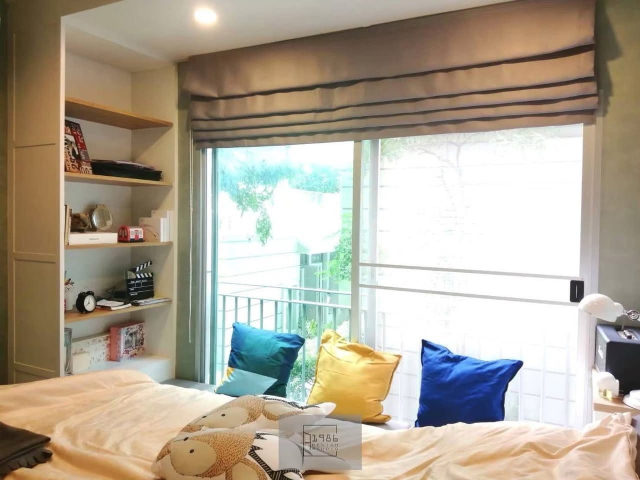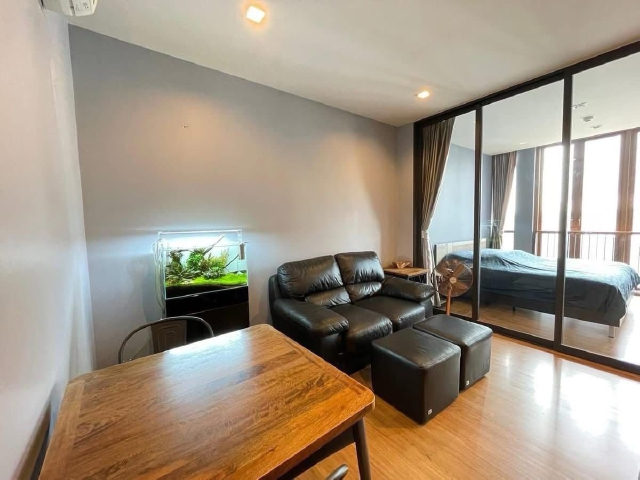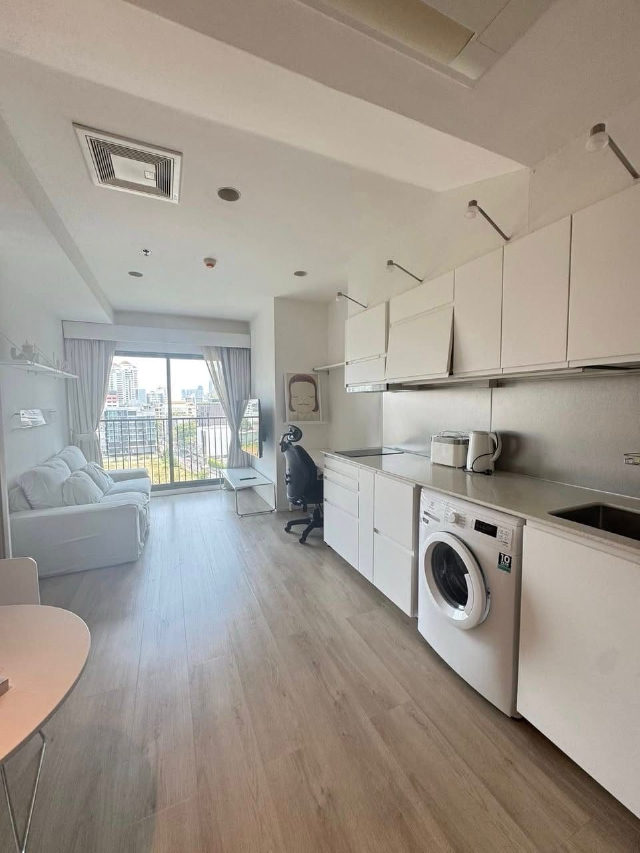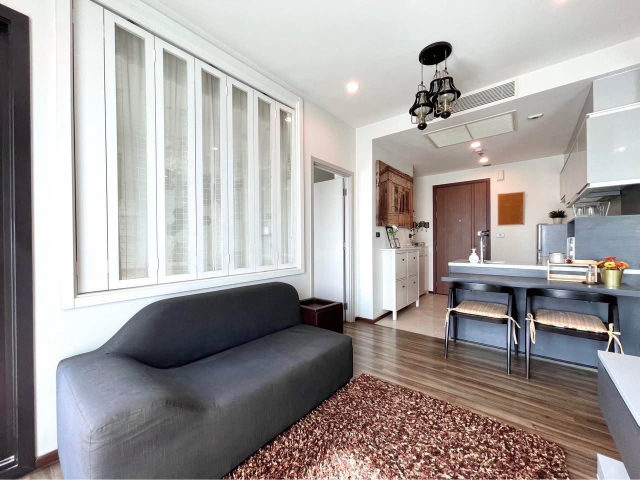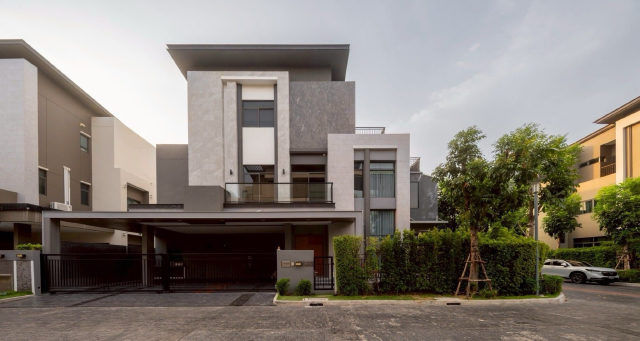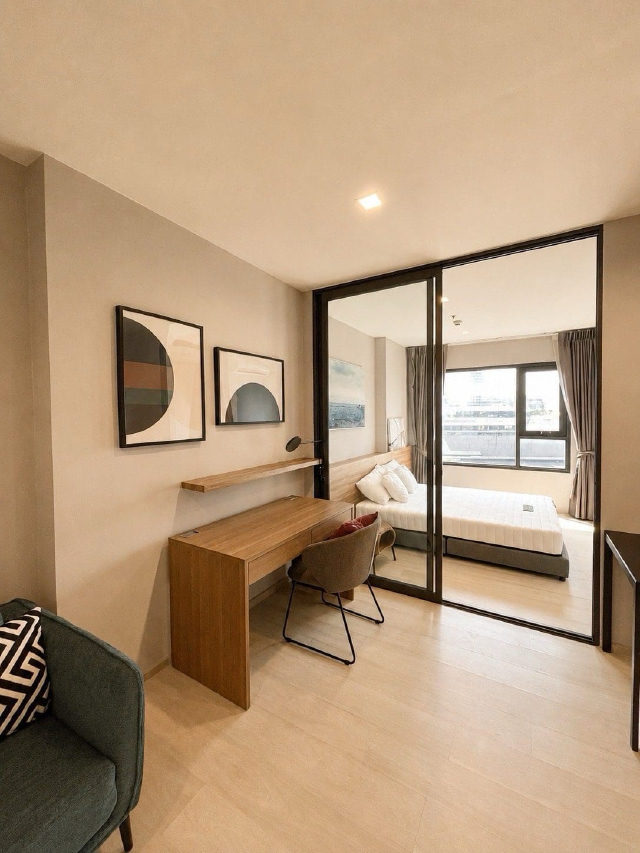

In Thailand, a foreigner can in principle own a condominium unit freehold, within the foreign quota of the building. For a house or villa, the land generally remains out of reach: buyers then use a registered lease, with a maximum term of 30 years. This guide explains both options, their limits and the structures to avoid.
When people discover the Thai property market, one surprise comes up again and again: you cannot buy everything. The basic rule is easy to state, but its consequences are worth understanding well before signing anything. This guide sets out the general framework as we explain it to our clients. It does not replace advice from a Thai lawyer, which is essential before any purchase.
1.What the law allows a foreigner to do
In short, and as a general rule:
- a condominium unit can be owned freehold by a foreigner, provided the building respects the quota reserved for foreign owners;
- land cannot, in principle, be owned by a foreigner in their own name; there are tightly regulated exceptions, rare in practice for an individual;
- a building (a house, for example) can be treated separately from the land it stands on, which opens up certain options;
- a lease can be granted to a foreigner and registered with the Land Office, for a maximum term of 30 years.
These principles come from the Condominium Act and Thai land law. The texts and their interpretation change: always check the situation at the time of your project with a lawyer and the Land Office.
2.Freehold condo ownership
This is the simplest and most common option for a foreign buyer. You become the owner of your unit, registered in your name at the Land Office, and you share the common areas with the other co-owners.
The key point is the foreign quota: in a building, the share of the floor area that may belong to foreigners is capped, commonly at 49% of the total unit area. Once the quota is reached, a unit can no longer be sold freehold to a foreigner. Always ask the juristic person (building management) or the seller for written confirmation of the available quota at the time of purchase.
Another important condition: the purchase money generally has to come from abroad and be documented. We explain this step in Buying a condo: transferring funds and getting the FET form.
Advantages of freehold condo ownership:
- you own the unit with no time limit;
- you can sell, rent out or pass on your unit, subject to the applicable rules;
- the procedures are well established and there is plenty of choice, especially in Bangkok.
3.The registered 30-year lease: how it works
For a house, a villa or a unit outside the quota, the usual option is a long lease (leasehold). The Thai owner leases you the property, or the land, for a term that cannot exceed 30 years per contract, and the lease is registered at the Land Office, which makes it enforceable.
A few points to understand well:
- the term: 30 years maximum for registration; beyond that, your right to occupy is not secured by the registration;
- renewals: many contracts include "30 + 30 + 30" options. These are contractual commitments between the parties, not a right guaranteed by law: enforcing them, especially if the land changes hands, can be uncertain;
- payment: rent for the whole term is often paid upfront, which looks like a purchase price but does not have all its effects;
- transfer: whether the lease can be assigned or inherited depends on the contract and must be drafted carefully.
A registered lease is a legal and widespread option, but it gives you a right of use limited in time, not ownership. Its resale value falls as the remaining term shrinks.
4.Houses, villas, land: the limits
For a detached house, several structures coexist, with very different levels of security:
- registered lease on the land and ownership of the building: you lease the land and register the house in your name; this is one of the most widely used options;
- purchase by a Thai spouse: the land is in the spouse's name and the foreigner does not own it; the consequences in the event of separation or death must be studied with a lawyer;
- major investments and special statuses: specific schemes exist, subject to strict conditions and approval. They rarely apply to a standard home purchase.
5.Structures to avoid
You may hear about Thai companies set up solely to hold land, with Thai "nominee" shareholders who contribute nothing and decide nothing. These structures are prohibited and the authorities check for them. The risk is real: loss of the property, penalties, inability to sell.
Also be wary of:
- verbal promises about lease renewals;
- contracts written only in Thai that you cannot have reviewed;
- prices that look "too good" for a foreign-quota unit in a building where the quota is already full.
6.Passing on and selling: what to plan for
A purchase is also a long-term decision. A freehold condo is part of your assets: it can be resold to a foreigner (within the quota) or a Thai buyer, and passed on to your heirs. Succession rules in Thailand and in your home country can interact: many owners make a Thai will for their Thai assets, on a lawyer's advice.
For a registered lease, the question is trickier: depending on how it is drafted, the lease may or may not be assignable, or transferable on death. Have this spelled out before signing, and check who your counterpart will be if the land is sold.
Finally, keep all documents from the purchase onwards (contract, title, proof of the funds transfer): they will make resale and repatriation of the proceeds simpler.
7.Which option for which project?
| Your project | Most common option | Points to watch |
|---|---|---|
| City apartment, main or second home | Freehold condo | Foreign quota, source of funds, common charges |
| Buy-to-let in Bangkok | Freehold condo | Quota, building rules (short-term rental), resale |
| House with garden, beach villa | Registered land lease, building in your name | Remaining term, renewal and transfer clauses |
| Family project with a Thai spouse | Depends on the situation | Legal advice essential |
For most of our clients settling in Bangkok, a freehold condo is the clearest option. Our guide Buying a condo in Thailand as a foreigner lists the questions to ask before you reserve.
8.Getting support
A property purchase in Thailand is prepared with three partners: an agent who knows the buildings and the quotas, an independent lawyer who checks the title, the contracts and the clauses, and your bank for the transfer of funds. Our team can help with the search and coordination; for legal advice, we refer you to professionals.
Official sources to consult: the Department of Lands (dol.go.th) and the Royal Thai Embassy in your country for general information.
Frequently asked questions
Can a foreigner own a condo in Thailand?
Yes, as a general rule, within the building's foreign quota and if the funds come from abroad. Ask for written confirmation of the available quota and have a lawyer check the file.
Can a foreigner buy land in Thailand?
In principle no, in your own name. Exceptions exist but are tightly regulated. The usual option for a house is a registered lease on the land.
Are "30 + 30" renewals guaranteed?
No: they are contractual commitments whose enforcement can be uncertain, especially if the land changes hands. Only the registered term is secured by registration.
Can I buy through a Thai company?
Companies set up solely to hold land with nominee shareholders are prohibited. Any company structure must be studied with a lawyer.
General information updated on 10 October 2026; check your contract and with the Find Easy team.