
Bangkok offers jobs, international schools, hospitals and the metro; Pattaya and Hua Hin draw retirees with the sea a few hours from the capital; Phuket is about island life and tourism; Chiang Mai about mountains and a slower pace. The right choice depends on your work, family, health and budget. Visit before you commit.
Before choosing a neighbourhood, many people ask a broader question: which city should I settle in, in Thailand? The country offers very different settings, from megacity to tropical island. Our team is based in Bangkok and that is the city we know from the inside; this guide also covers the other destinations foreigners choose most often, with general pointers to help you ask the right questions.
1.Bangkok: the capital, for living and working
Bangkok is the natural choice if you work, have school-age children or want everything within reach.
- Jobs and business: most international companies, embassies and chambers of commerce are here.
- Schools: the widest choice of international schools in the country, including a French school.
- Healthcare: large, well-regarded private hospitals used to international patients.
- Transport: the BTS, MRT and Airport Rail Link serve the main neighbourhoods, and two airports connect the city with the rest of the country and the world.
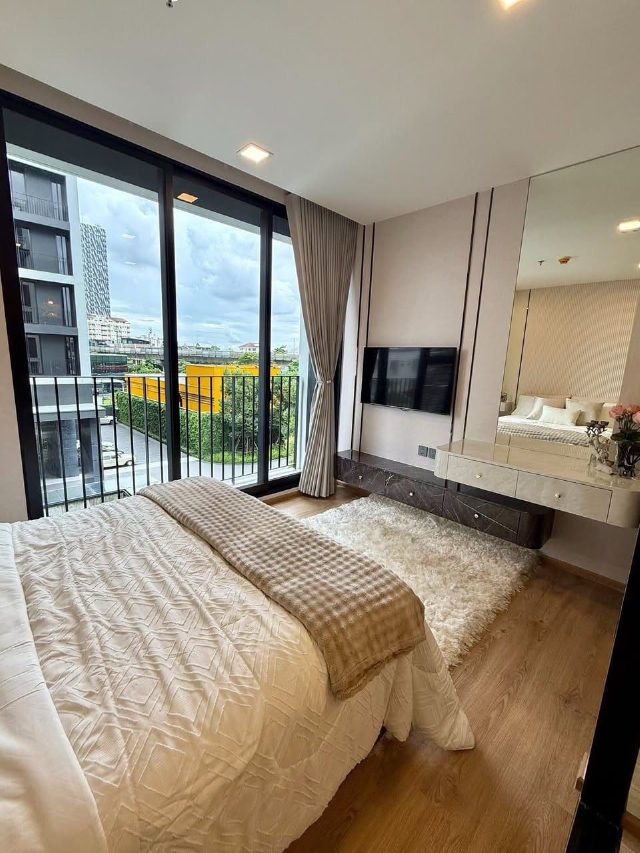
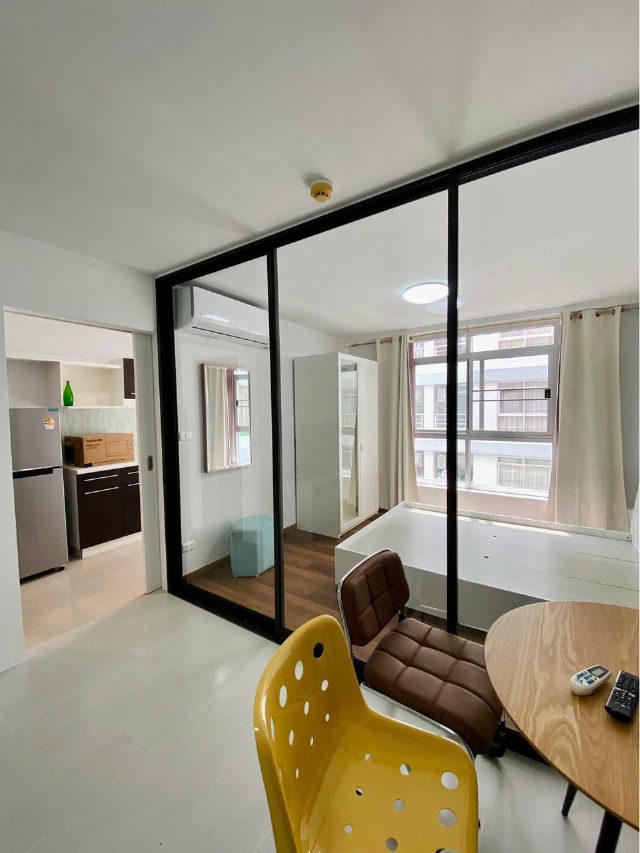
- Housing: a huge choice, from a studio near the metro to a house with a garden, at every price level.
On the other hand: heat, traffic, air pollution at certain times of year and the pace of a city of several million people. The neighbourhood makes all the difference: our guide Choosing your Bangkok neighbourhood for your lifestyle will help you find your bearings.
2.Pattaya and Jomtien: the sea near Bangkok
About two hours' drive from Bangkok depending on traffic, Pattaya and neighbouring Jomtien attract many retirees and year-round residents.
- Strengths: the sea, a large and varied supply of condos, plenty of services, proximity to Bangkok and Suvarnabhumi airport.
- Good to know: a very touristy city with lively nightlife in some areas; Jomtien and areas further from the centre are quieter.
3.Hua Hin: calm and the sea
A long-established seaside resort, Hua Hin lies a few hours south-west of Bangkok.
- Strengths: a quieter atmosphere, a human-scale town, golf courses, a well-established community of European retirees.
- Good to know: services and healthcare are more limited than in Bangkok for some specialised needs, and the slower pace doesn't suit everyone.
4.Phuket: island life
Thailand's largest island combines beaches, hills and an international airport with many connections.
- Strengths: the natural setting, international schools and private hospitals on the island, plenty of property projects.
- Good to know: prices are often high in the most sought-after areas, the economy is closely tied to tourism, the rainy season is pronounced and traffic can be difficult in high season.
5.Chiang Mai: mountains and culture
The North's main city, Chiang Mai is about an hour's flight from Bangkok.
- Strengths: a gentler pace of life, a cultural city, nature nearby, a cost of living often considered more moderate, and a cooler season at the end of the year.
- Good to know: the burning season, usually at the end of the dry season, can severely degrade air quality for several weeks — an important point for families and sensitive people.
6.Climate and seasons: check everywhere
Thailand generally has three main seasons: a hot season, a rainy season and a drier, cooler season at the end of the year, with regional differences. On the coasts, the rainfall calendar differs from one coastline to the other. In the North, nights can be cool in December and January.
Before choosing, look at three things for the city you are interested in: the hottest months, the wettest months and air quality by season. Air-quality apps make it easy to compare cities over the year.
Think too about occasional flooding in the rainy season: in Bangkok as elsewhere, some streets fill with water after a heavy storm. When visiting, ask the building manager how the area copes with heavy rain, and look at access to the car park.
7.Comparison table
| City | For whom | Strengths | Watch out for |
|---|---|---|---|
| Bangkok | Professionals, families, all profiles | Jobs, schools, hospitals, metro | Heat, traffic, air quality |
| Pattaya / Jomtien | Retirees, sea lovers | Close to Bangkok, condo supply | Very touristy |
| Hua Hin | Retirees, those seeking calm | Quiet atmosphere, golf | More limited services |
| Phuket | Island life, well-off families | Natural setting, international airport | Prices, reliance on tourism |
| Chiang Mai | Slower pace, nature | Culture, cost of living | Air quality in burning season |
8.Cost of living: what changes from one city to another
Cost of living depends mostly on how you live, but a few items vary clearly by city:
- housing, the biggest item: in Bangkok it can triple depending on the neighbourhood and distance to the metro;
- getting around: in Bangkok the metro often means you can do without a car; elsewhere, a vehicle quickly becomes essential;
- schooling, for families: international school fees weigh heavily whatever the city;
- healthcare: international health insurance costs more with age, anywhere in the country;
- trips back to Europe: a city far from an international airport adds journeys to every trip.
Be wary of "typical" budgets you read online: they rarely reflect your situation. Our guide Electricity, water, internet: the bills to expect details the running costs of a home in Bangkok.
9.Settling in two stages
Many of our clients settle in gradually: a few months in Bangkok in a furnished apartment rented monthly, time to discover the country, then a longer-term decision. Bangkok is a good base: from there, Pattaya, Hua Hin, Chiang Mai or Phuket are easy to reach for a scouting weekend.
10.How to choose?
Ask yourself a few simple questions:
- What will you do day to day? Work, school the children, enjoy retirement, work remotely?
- What healthcare will you need? Being near a major hospital matters more with age or with ongoing treatment.
- How often will you travel? A nearby international airport makes trips to Europe easier.
- What climate can you handle? Humid heat, the rainy season, air quality: look into each season.
- What budget? Rents and prices vary widely from one city, and one neighbourhood, to another.
Your residence status depends on your plans, not on the city you choose: our guide Preparing your move to Thailand: documents and first days covers the formalities.
11.If you choose Bangkok
That's where we can help most concretely: shortlisting homes in the right neighbourhood, viewings in person or by video, reading the lease, settling in. For a project in another city, talk to us: we'll tell you honestly what we can do and, if needed, who to turn to.
Frequently asked questions
What is the best city in Thailand to live in?
There isn't just one: Bangkok suits professionals and families, Pattaya and Hua Hin draw retirees with the sea, Phuket offers island life and Chiang Mai a slower pace. It all depends on your work, health and budget.
Where to retire in Thailand?
Hua Hin, Pattaya/Jomtien and Chiang Mai are popular with retirees, as is Bangkok for its major hospitals. Think about healthcare, climate and trips back to Europe.
Where to live in Thailand with children?
Bangkok has the widest choice of international schools, including a French school; Phuket and Chiang Mai have some too. Visit the schools before choosing a neighbourhood.
Does Find Easy work outside Bangkok?
Our team is based in Bangkok, where our listings are. For a project in another city, contact us: we'll tell you honestly what we can do.
General information updated on 10 October 2026; check your contract and with the Find Easy team.