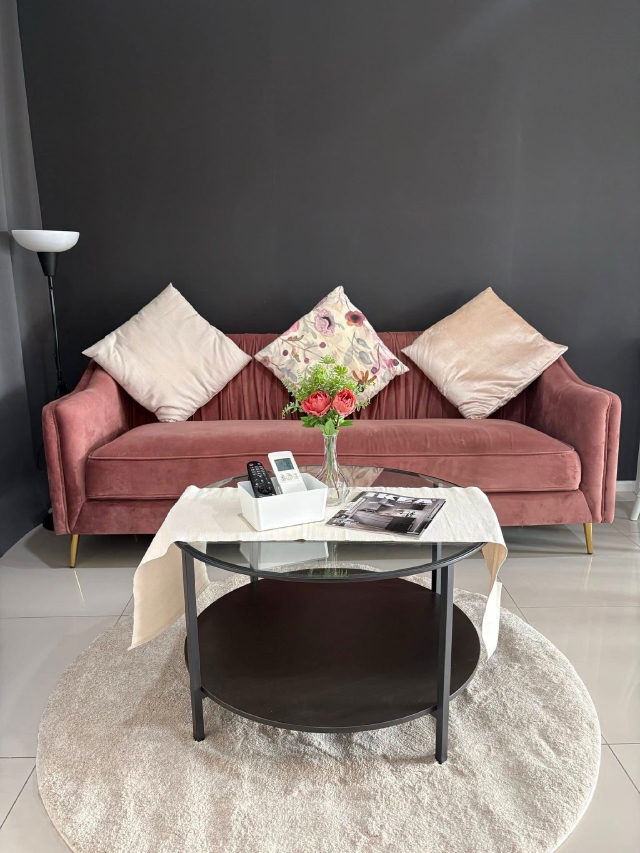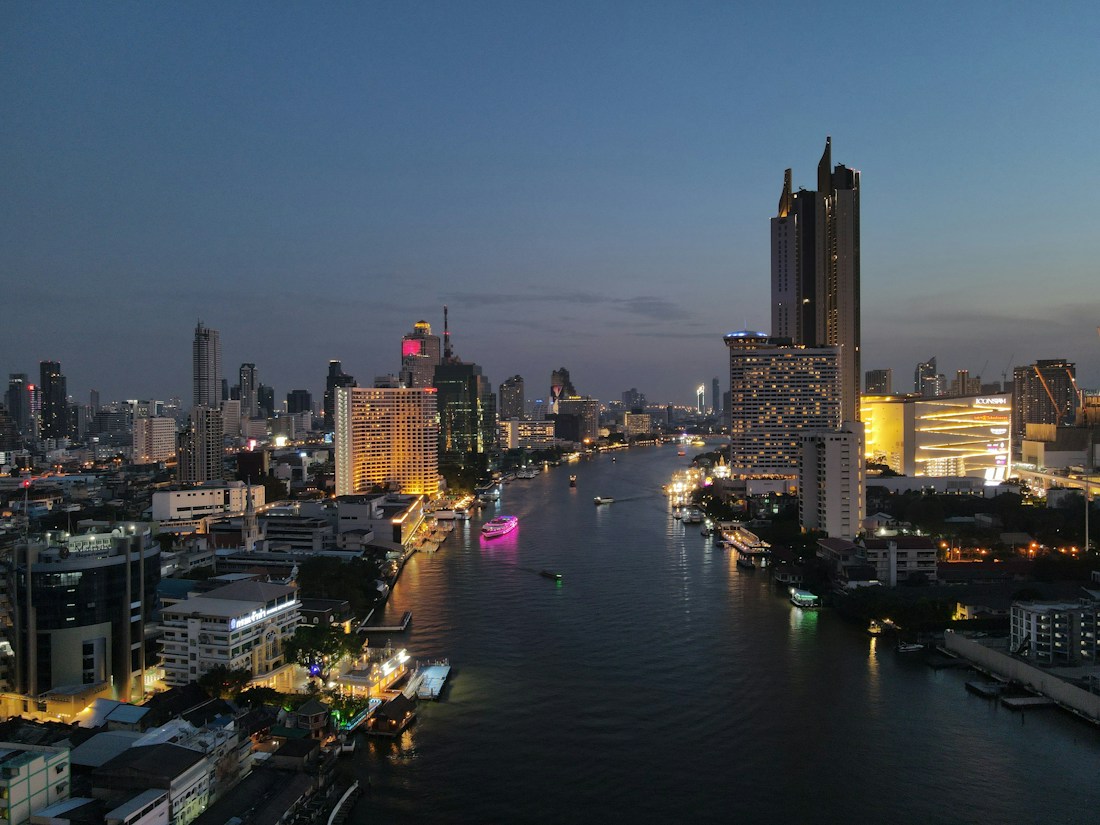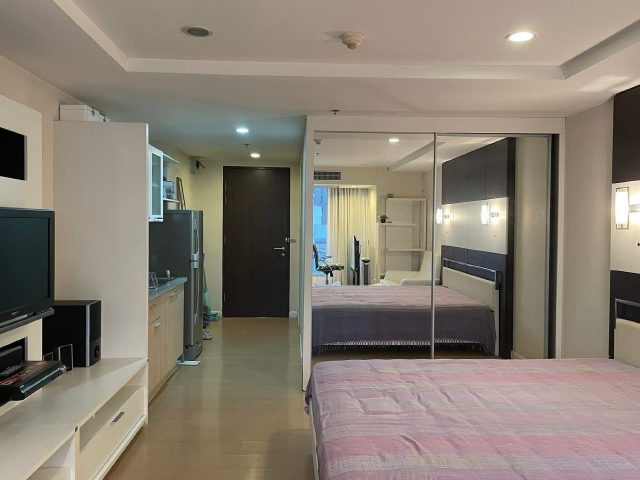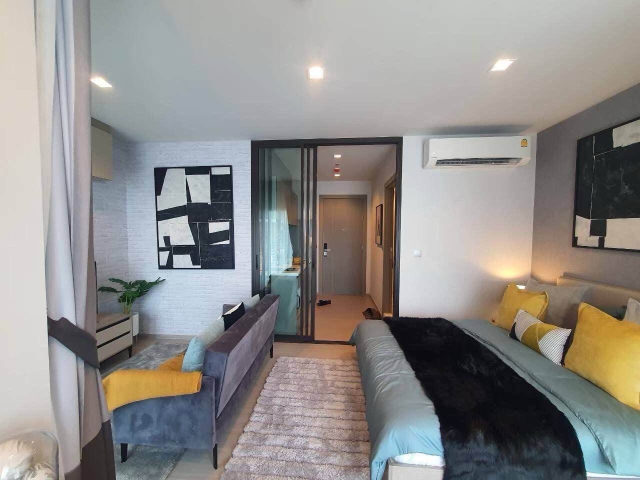

A smooth move is prepared several weeks ahead: choosing the right visa on official websites, gathering and translating your documents, taking out health insurance. Once there, the first days are for getting a local number, registering your address and then, depending on your situation, opening a bank account. This guide gives you the order of the steps; the official rules change, so always check them at the source.
Moving to Thailand is a mix of excitement and paperwork. The paperwork is nothing insurmountable, as long as you tackle it in the right order. This guide follows the steps we see with most of our clients, from a few weeks before departure to the first month in the country.
An important warning: visa and immigration rules change regularly. We give general pointers here, not legal advice. Always check the current conditions on the official websites listed at the end of this guide, or with the Thai embassy in your country.
1.Which visa should you choose to settle in Thailand?
This is the first question, and it depends on your plans. Depending on your nationality, a short tourist stay may be possible without a visa, for a limited period. To live in Thailand, however, you need a visa suited to your situation. The main families of visas are:
- non-immigrant visas, depending on the purpose of your stay: work, retirement, study, family (spouse or parent of a Thai national);
- the Long-Term Resident (LTR) visa, for certain profiles: wealthy retirees or high earners, investors, skilled professionals, remote workers under conditions;
- the Destination Thailand Visa (DTV), designed in particular for remote workers and certain activities;
- tourist visas, for a longer stay than a simple exemption, without working.
Each visa has its own conditions: income, health insurance, supporting documents, length, whether you may work. Applications are usually made online, on the official e-visa platform, before departure.
2.Which documents should you prepare before leaving?
Gather your documents early, on paper and scanned, stored in a secure online folder.
- Passport valid for several months after your planned entry date, with blank pages.
- Recent passport photos, in the format required for visas.
- Documents for your visa: employment contract, bank statements, pension certificate, school enrolment.
- Civil status certificates (birth, marriage) if you are moving as a family. Some official documents must be translated, and sometimes legalised, to be accepted in Thailand: check with the embassy.
- International health insurance: essential in every case, and required for some visas.
- An international driving permit, if you plan to drive.
- Children's school records and vaccination records.
3.Moving your belongings: suitcases, parcels or a container?
Since many condos are rented furnished, some of our clients arrive with just a few suitcases and buy the rest locally. Others ship boxes by parcel or freight, or even a container for a long-term family move.
A few pointers:
- get several quotes from international removal companies, stating the volume and the delivery address;
- check the customs duties and formalities that apply to your personal effects, which depend in particular on your visa;
- plan for delays: sea freight takes several weeks, so you will need somewhere to stay, even temporarily, in the meantime;
- check access to the building: moving hours, booking the service lift, a deposit required by some buildings.
If you are renting furnished, list what the flat already contains before shipping anything: you will avoid duplicates.
4.What should you do just before your flight?
- Tell your bank you are leaving and check the fees for payments and withdrawals abroad.
- Bring some cash and at least two bank cards.
- Complete the arrival formalities required by the Thai authorities: a digital arrival card must now be filled in online before travelling. Check the conditions on the official immigration website.
- Keep the address of your first home, even a temporary one, at hand: you will be asked for it.
5.Your first days: where should you start?
1. A Thai phone number
This is the first thing to do, often right at the airport. A SIM card can be bought on presentation of your passport. A local number is useful for transport and delivery apps, banking and most formalities.
2. Registering your address
In Thailand, the person hosting a foreigner (owner, hotel, residence) must report their address to the immigration authorities within a short time. This is commonly called the "TM30" notification. Hotels handle it; for a rental, it is in principle the owner's responsibility.
Ask your owner or agent to confirm the notification has been made, and keep a copy: you will often be asked for it for other formalities, such as a visa extension or opening a bank account.
3. Getting around
The BTS and MRT are the easiest way to get around the centre. Each network has rechargeable cards, and contactless payment is spreading. Ride-hailing and taxi apps are widely used. For your daily journeys, our guide "Choosing your Bangkok neighbourhood to suit your lifestyle" will help.
4. Opening a bank account
A Thai account makes life much easier: paying bills, instant transfers, QR code payments. Requirements vary between banks, and sometimes between branches. A long-stay visa is usually required, with other documents depending on your situation (address, work permit, employer's letter). Ask several banks, and bring your passport plus your visa and address documents.
5. Health
As soon as you arrive, find the hospital or clinic nearest your home and check how your insurance pays (direct billing or reimbursement). Bangkok has many private hospitals used to treating foreign patients.
6.The first month: the formalities to follow up
- Address reporting: holders of some long-stay visas must report their address to immigration regularly (the "90-day report"). Check whether it applies to you and note the deadlines.
- Consular registration: many embassies, including France's, offer registration for citizens living abroad. It is not compulsory but useful in an emergency and for some formalities.
- School: finalise the children's enrolment and organise journeys.
- Permanent home: if you arrived in temporary accommodation, now is the time for viewings.
7.Your moving timeline
| When | What |
|---|---|
| 2 to 3 months before | Choose the visa, gather and translate documents, start looking for a home |
| 1 month before | Apply for the visa, take out health insurance, shortlist homes by video |
| 1 week before | Online arrival formalities, tell your bank, book the home or temporary accommodation |
| Day 1 | SIM card, settling in, check the address notification |
| Week 1 | Transport, explore the area, find your hospital, viewings if needed |
| Month 1 | Bank account, consular registration, school, visa deadlines |
8.Official websites to check
- Thai government e-visa platform: thaievisa.go.th.
- Thai Immigration Bureau: immigration.go.th.
- Long-Term Resident visa (LTR): ltr.boi.go.th.
- French Ministry of Foreign Affairs travel advice: diplomatie.gouv.fr.
- French Embassy in Thailand: th.ambafrance.org.
9.How we support you
Our job is housing, and everything around it. We help you find your flat, organise your arrival, and connect you with trusted partners for formalities (visa, bank, insurance, removals). Write to us with your arrival date: we will help you organise everything in the right order.
Frequently asked questions
Do I need a visa to live in Thailand?
Yes. A visa exemption may cover a short tourist stay depending on your nationality, but to live in Thailand you need a visa suited to your situation (work, retirement, study, family, LTR, DTV…). Check the conditions on thaievisa.go.th.
What is the TM30 notification?
It is the notification of a foreigner's address to immigration, made by the person hosting them (hotel, owner). Ask your owner for a copy: you will need it for other formalities.
Can I open a Thai bank account on a tourist visa?
It is usually difficult: most banks ask for a long-stay visa and other documents. Requirements vary between banks and branches.
Do I need health insurance to settle in Thailand?
It is essential in every case, as private care can be expensive, and it is required for some visas. Check the minimum cover required for yours.
General information updated on 10 October 2026; check your contract and with the Find Easy team.