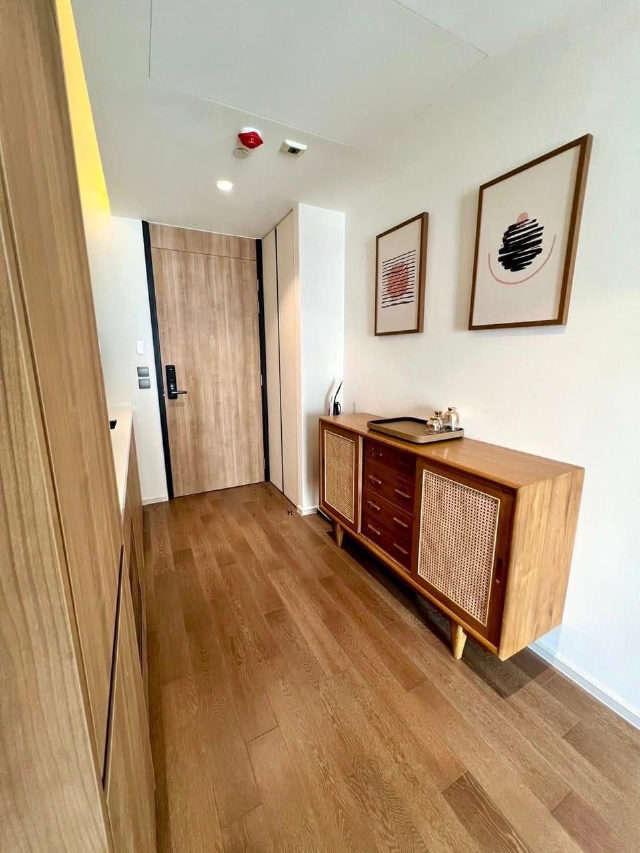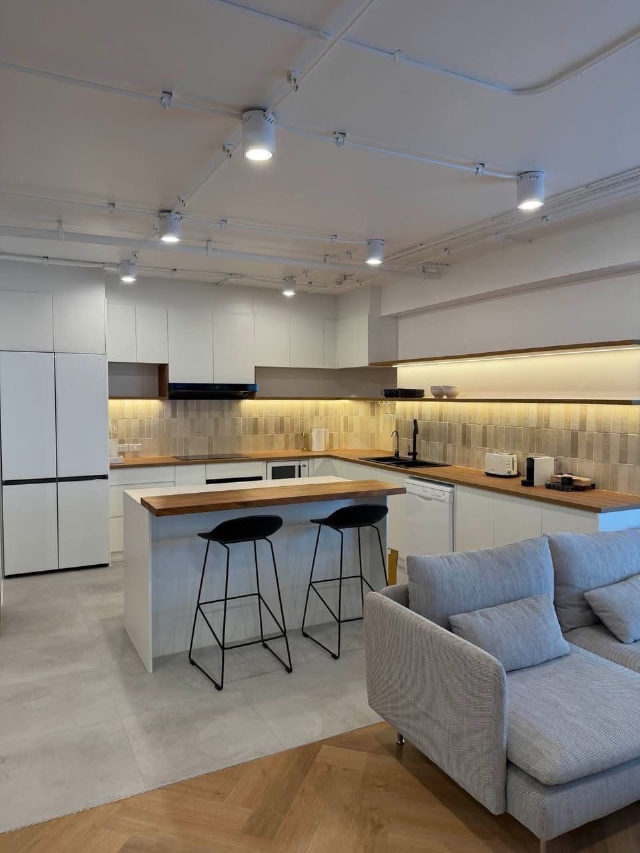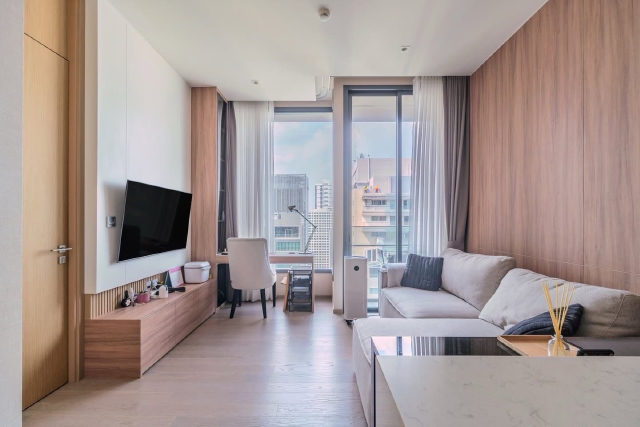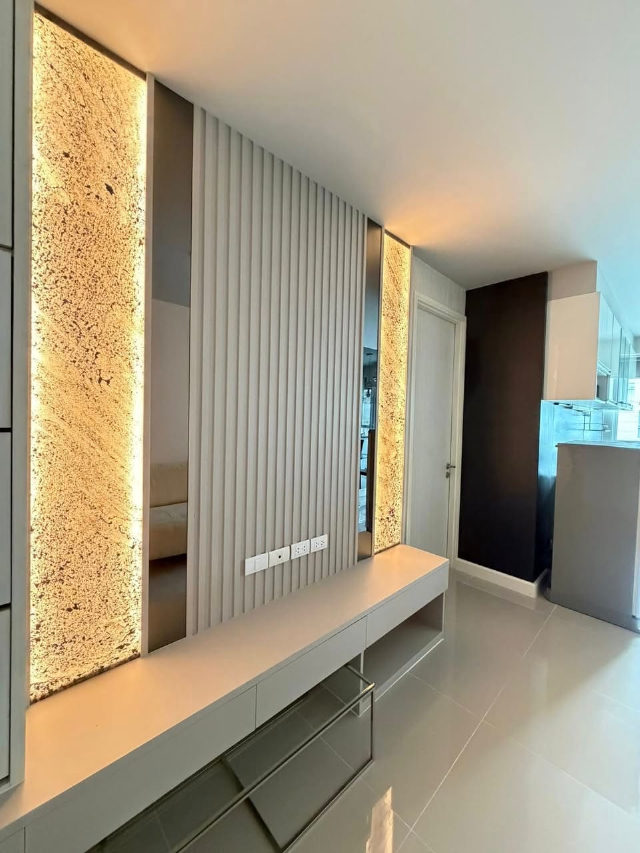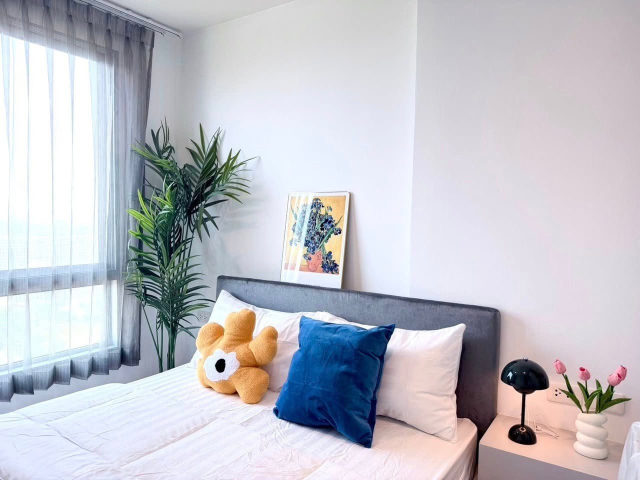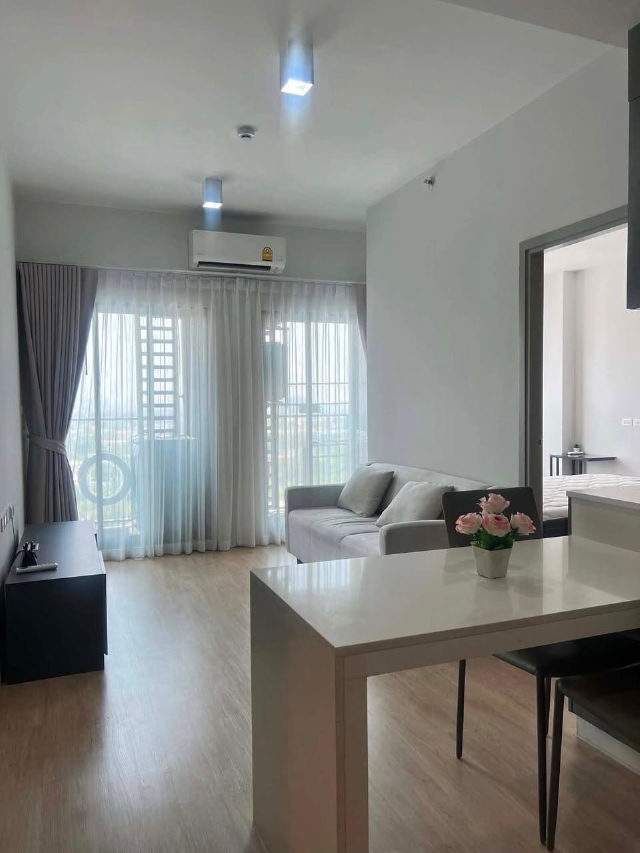

The security deposit is often two months' rent: a significant sum, which you get back more easily if you prepared for it from the day you moved in. Inventory, dated photos, regular upkeep, a joint move-out inspection: this guide takes you step by step from signing the lease to getting your money back.
"Getting your deposit back" is a topic that often comes up among expats in Bangkok, sometimes with stories of unexpected deductions. In the vast majority of cases we follow, everything goes well, provided a few simple precautions have been taken. The principle is the same everywhere: what you can prove protects you.
1.What the law says (and does not say)
In Thailand, the rules on security deposits come mainly from the rental contract. The amount, the return time frame and the possible deductions are those written in the lease. There are consumer protection rules governing certain practices of professional landlords (those who let a large number of homes); they generally do not apply to an individual letting their own condo. For your specific situation, ask a lawyer or the Office of the Consumer Protection Board (ocpb.go.th).
Hence the importance of checking three points in the lease before signing:
- the amount of the deposit (often two months' rent in Bangkok, but it varies);
- the time frame for returning it after you hand back the keys (frequently 30 days, sometimes less, sometimes more);
- the deductions allowed and how they must be justified (invoices, quotes).
Our guide Thai rental contract: the clauses to read before signing covers the other clauses to read.
2.Move-in day: photos and inventory
This is the most important moment, and the one most often rushed in the hurry to settle in.
- Walk through the property with the owner or their representative, inventory in hand.
- Photograph and film everything: walls, floors, furniture, mattress, appliances, bathroom, balcony, curtains, meters. Close-ups of every existing defect (scratch, stain, crack, damaged sealant).
- Test the equipment: air conditioners, hot water, hob, oven, washing machine, TV, locks, remote controls.
- Note defects on the inventory and have both parties sign it.
- Send the photos by message or email to the owner the same day: the timestamp proves the date.
- Read the water and electricity meters, with a photo.
3.During the tenancy: what protects your deposit
- Report breakdowns in writing, quickly. An unreported problem (leak, mould) can get worse and be held against you.
- Have the air conditioners cleaned as often as the lease requires, and keep the receipts.
- Ask for written consent before drilling, painting or moving supplied furniture.
- Pay rent and bills on time, with a record (bank transfer): unpaid amounts are the first cause of deductions.
- Follow the building rules (pets, noise, common areas): some building fines are passed on to the tenant.
4.Before handing back the keys
Notify the owner within the notice period, in writing, and suggest a date for the move-out inspection.
Then prepare the property:
- Full clean, including fridge, oven, hood, bathroom and balcony.
- Air-conditioner cleaning, with a receipt if the lease requires it.
- Replace dead bulbs and carry out small repairs that are your responsibility.
- Fill any holes, if the lease requires it.
- Put furniture back as it was at move-in.
- Electricity, water and internet bills paid up to departure, with proof.
- All keys, access cards and remote controls gathered.
On the day of the move-out inspection, walk through together, with the move-in inventory and photos. Compare room by room. Take new photos of the condition at departure, read the meters and have a key handover document signed, noting any reservations.
5.Return time frame and deductions
The owner has the time frame set in the contract to return the deposit, minus:
- outstanding bills (electricity, water);
- the cost of repairing damage caused during the tenancy, beyond normal wear and tear;
- unpaid rent.
Normal wear and tear (paint slightly dulled after a year, minor scuffs) should not justify a deduction. Damage (a stained mattress, a broken wardrobe door, a burn on a worktop) can. Each deduction should be backed by an invoice or quote: ask for them.
| Situation | Deduction justified? |
|---|---|
| Last month's electricity unpaid | Yes, on invoice |
| Paint slightly dulled after a year | Generally not (normal wear) |
| Stained mattress | Often yes, depending on condition at move-in |
| Air conditioner broken through no fault of the tenant | No, usually the owner's responsibility |
| Defect already present at move-in and photographed | No |
6.Special cases that come up often
A furnished home. The more furniture, the more the inventory matters. Also photograph inside cupboards, under sofas, mattresses without covers and the crockery supplied. A broken glass is not up for debate; a "damaged sofa" with no move-in photo is.
A pet. If the owner has accepted your pet, have the move-out conditions written down: professional cleaning, flea treatment, condition of insect screens and fabrics. It is one of the most frequent deductions. Our guide Renting in Bangkok with a dog or cat gives more pointers.
A housekeeper during the tenancy. Daily upkeep helps a lot; but before leaving, check the areas people forget: shower sealant, air-conditioner filters, the hood, under the fridge.
Everyday minor damage. A mark on a wall or blackened sealant can often be fixed cheaply before the inspection. Compare the cost of doing it yourself with the likely deduction: doing it yourself is often better value, provided the result is clean.
An urgent departure. If you have to leave quickly, arrange a power of attorney or appoint someone you trust for the inspection, and give them your move-in photos. Also tell the owner which account the deposit should be returned to, bearing in mind the cost of an international transfer.
7.In case of disagreement
- Talk first, calmly, with move-in and move-out photos. Many disputes are settled at this stage.
- Ask for a written breakdown of the deductions and the supporting documents.
- Offer a compromise on debatable points (sharing an invoice, for example).
- If the disagreement persists, involve the agent who negotiated the rental, then a lawyer for large amounts.
If you rented with our team, we can attend the move-in and move-out inspections and act as intermediary in French, English and Thai.
For an overview of renting, read Renting a condo in Bangkok: the complete guide.
Frequently asked questions
What is the usual security deposit in Bangkok?
Often two months' rent, usually plus one month's rent in advance. The exact amount depends on the lease.
How long does the owner have to return the deposit?
The time frame set in the contract, frequently 30 days after handing back the keys. Check it before signing.
Can the owner deduct money for normal wear and tear?
Normal wear and tear should not justify a deduction. Damage caused during the tenancy can, with supporting documents.
What if the owner does not return the deposit?
Ask in writing for a breakdown of deductions, discuss with photos, involve the agent, then a lawyer if the amount justifies it.
General information updated on 10 October 2026; check your contract and with the Find Easy team.