
Choose your neighbourhood based on your daily journeys first, then the apartment. Budget for several months of rent upfront (security deposit and advance rent), ask how electricity and water are billed, and read the lease before signing. On move-in day, photograph everything and get the inventory signed.
Renting in Bangkok is often easier than in Europe: many condos come furnished, with a pool and a gym, and you can find a place within a few weeks. Local practices are different, though. The amount due at signing, how electricity is billed, lease lengths and the role of the agent often surprise newcomers. This guide follows the steps in the order we go through them with our clients, from a first budget to getting the keys.
1.Condo, apartment, house: what can you rent in Bangkok?
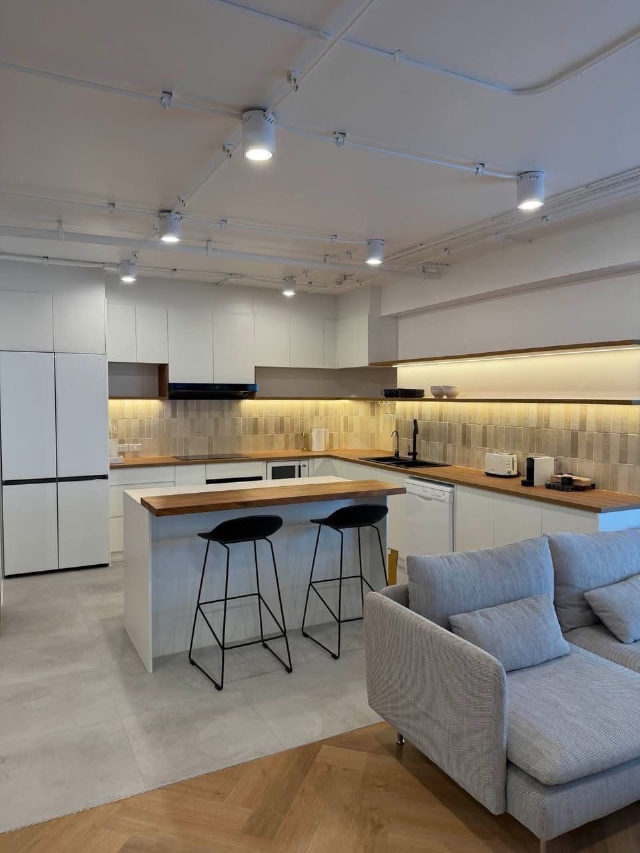
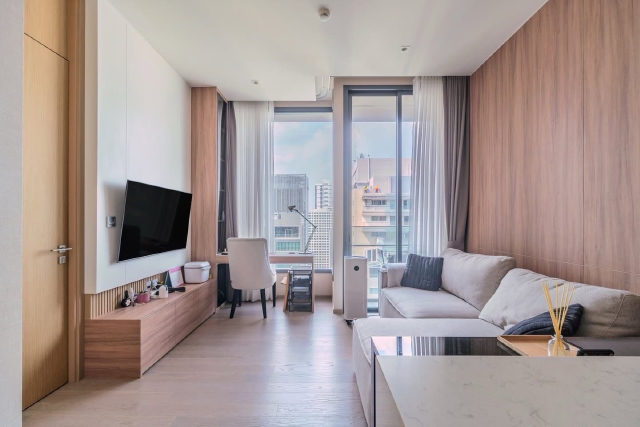
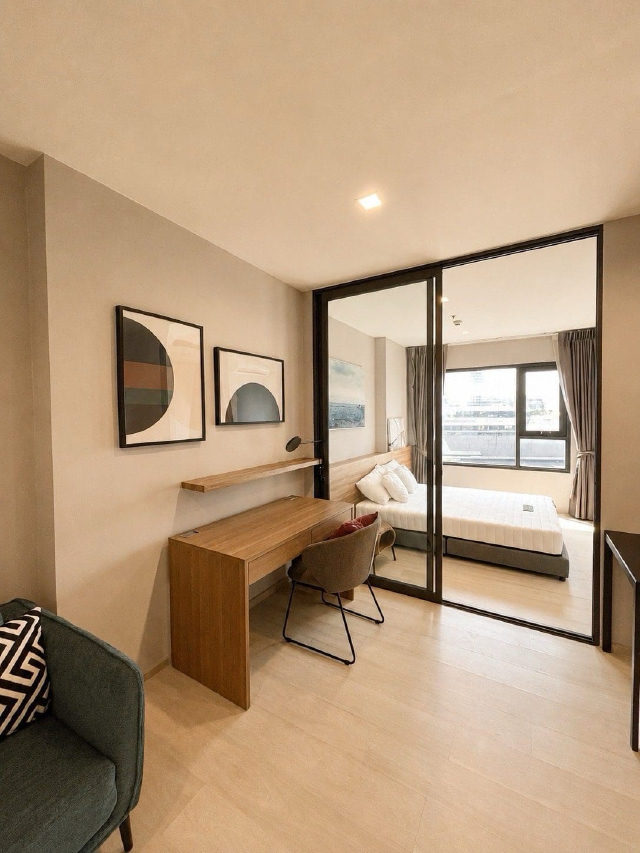
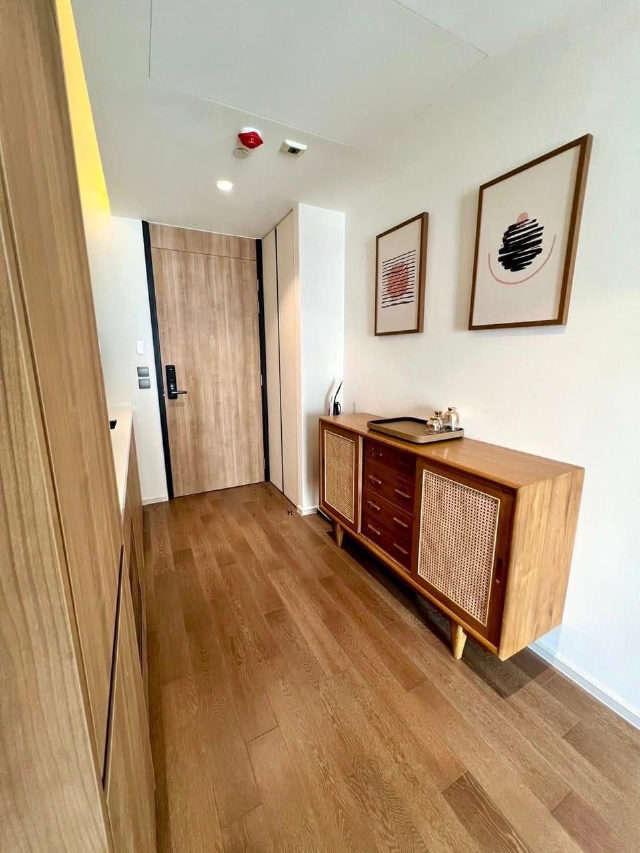
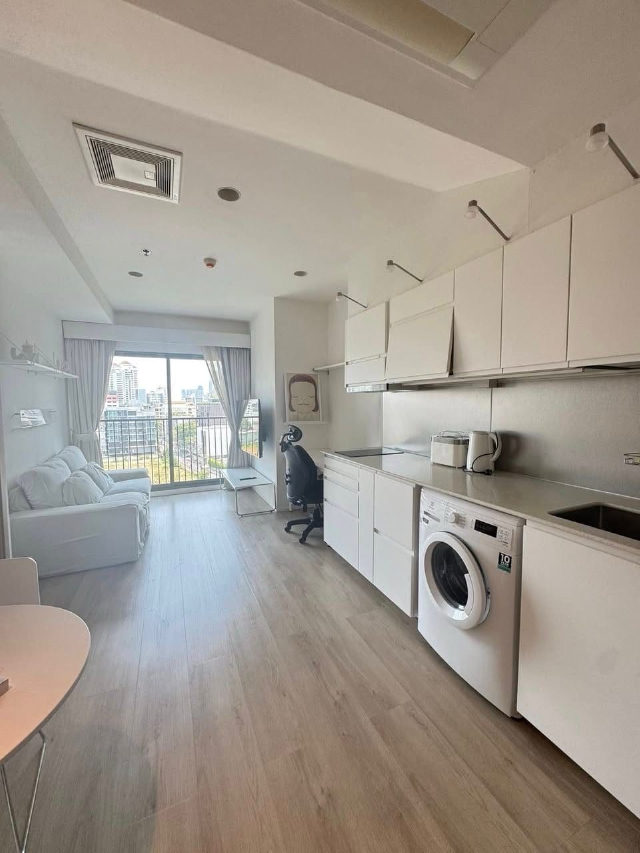
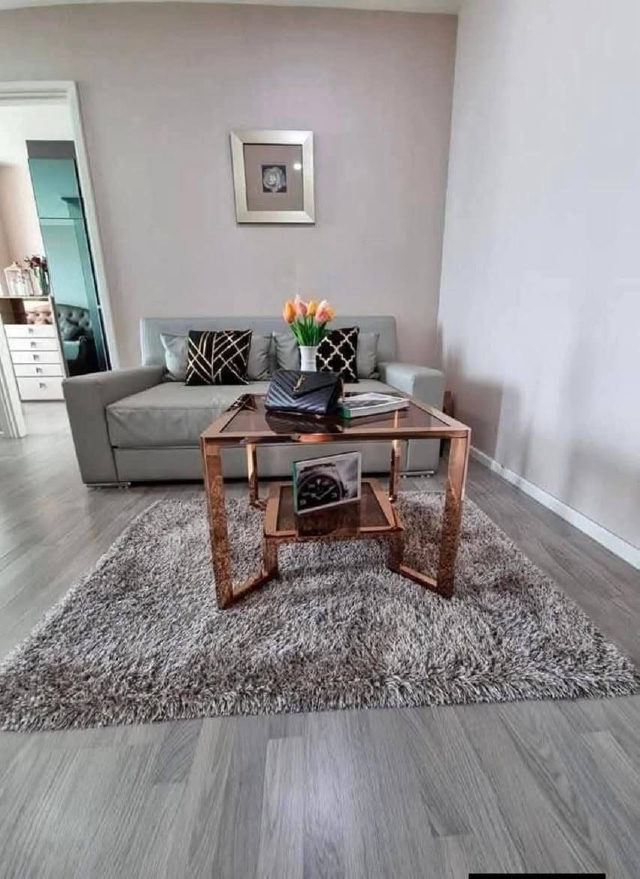
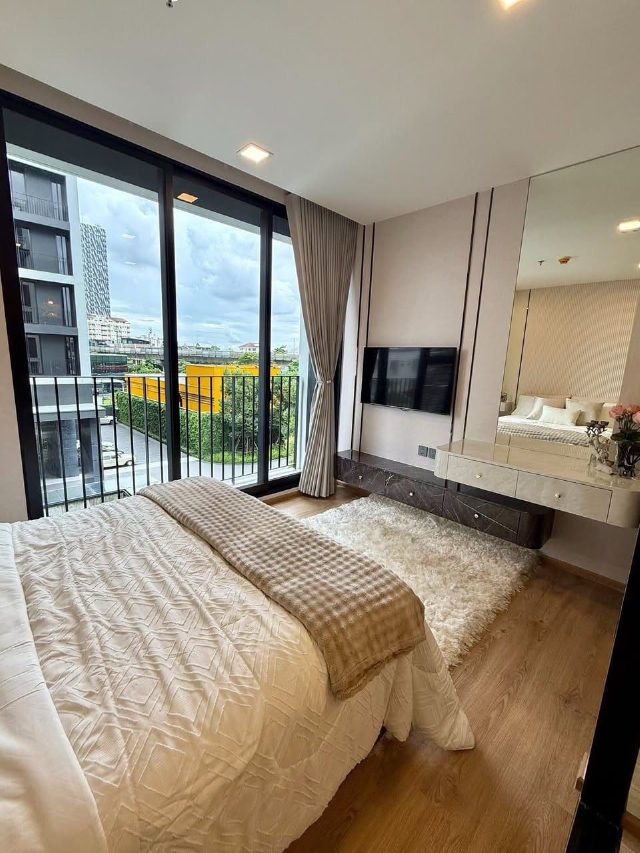
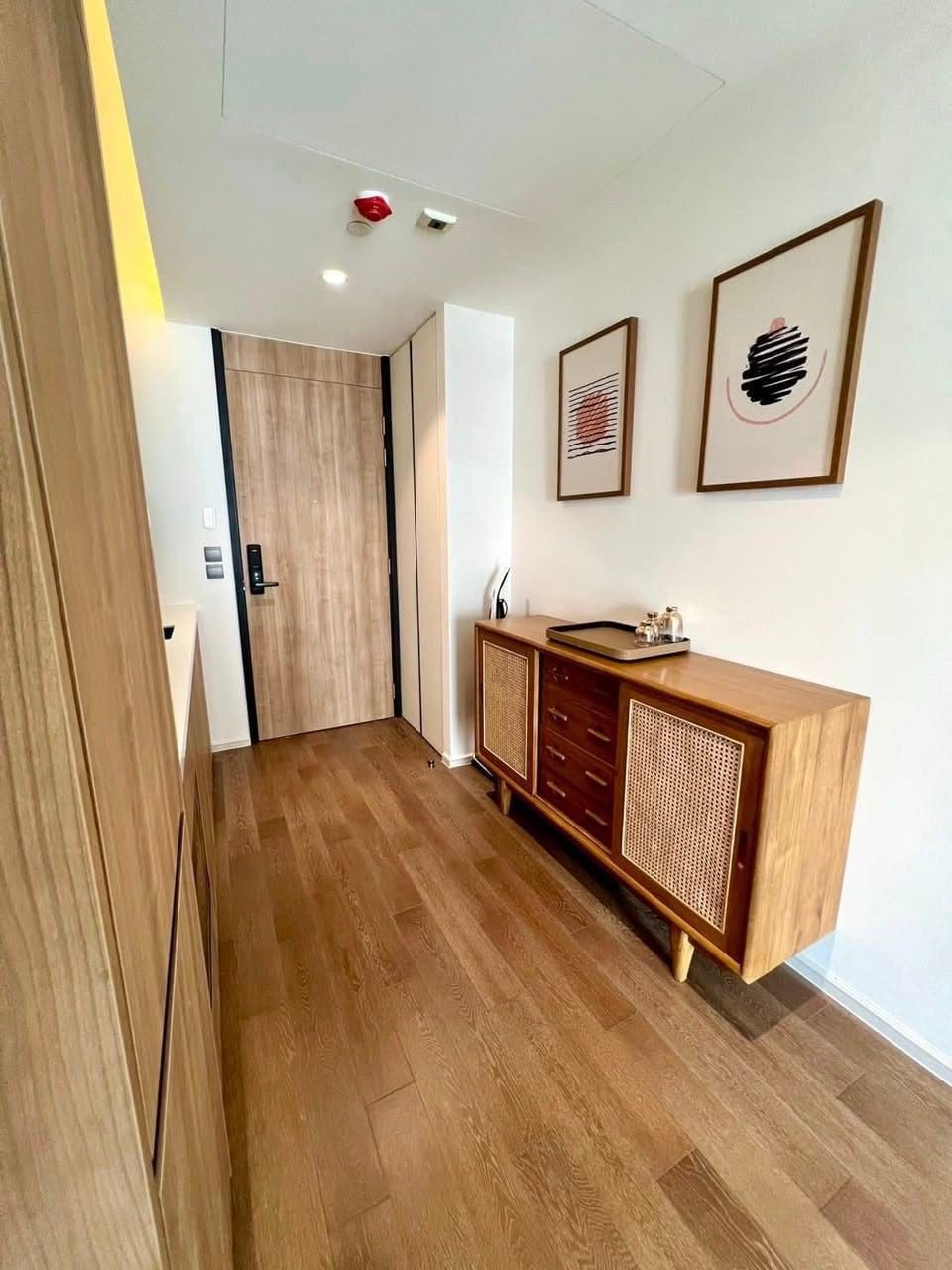
A "condo" is a unit in a condominium building, usually a tower with security, a pool and a gym. It is by far the most common type of home offered to expats, and it makes up most of our listings.
You will also come across:
- serviced apartments, run by a single owner, often with cleaning and linen included: more expensive but very flexible;
- "apartments" in the Thai sense: simpler buildings owned by one landlord, often cheaper and less equipped;
- houses and townhouses, rarer in the city centre, popular with families who want a garden or more space.
For a first move, a furnished condo remains the most comfortable choice: you arrive with your suitcases, the building is secure and the facilities are already there.
2.What budget should you plan to rent in Bangkok?
The advertised rent is only part of your budget. Think about what is added every month and what you pay upfront.
- Every month: rent, electricity, water, internet, sometimes cleaning.
- At signing: the first month's rent, the security deposit and often one month of advance rent.
- Don't forget: health insurance, transport, and anything the unit doesn't have (kitchenware, linen, small appliances).
Building fees (maintenance, pool, security) are usually paid by the owner and already included in the rent. Ask for confirmation for each property.
A worked example from our listings
For the rental of Noble Remix Thonglor, at 22,000 THB per month, the description states a two-month deposit and one month of advance rent:
| Due at signing | Basis | Amount |
|---|---|---|
| Security deposit | 2 months | 44,000 THB |
| Advance rent | 1 month | 22,000 THB |
| Total upfront | 3 months | 66,000 THB |
These are the terms of this particular listing. They vary from one property to another: always have them confirmed before committing.
3.How do you choose a neighbourhood in Bangkok?
In Bangkok, the nearest station often matters more than the floor area. Traffic is heavy at rush hour, and a flat five minutes' walk from the BTS or MRT makes daily life much easier.
Before browsing listings, write down your regular journeys: office, children's school, gym, friends. Then look at which neighbourhoods are on the same line. An office in Silom and a flat on the Sukhumvit line, for example, means changing trains; a home along the Silom line or the MRT may be more convenient.
A few pointers to start with:
- Thong Lo and Phrom Phong: lively, lots of restaurants and expats, rather high rents.
- Asok: where the BTS and MRT meet, easy to get anywhere.
- Ari: quieter, with a neighbourhood feel and cafés.
- On Nut and Phra Khanong: more affordable, still on the Sukhumvit line.
- Rama 9: a newer business district on the MRT.
We cover each area in our guide "Choosing your Bangkok neighbourhood to suit your lifestyle".
4.How can you view a flat, even remotely?
Many of our clients shortlist their home from abroad. A live video viewing shows what photos don't: the real condition, the noise, the light, the walk to the station.
During the viewing, ask the person filming to:
- show the view from every window and listen to the street noise;
- open the cupboards, the shower, the taps;
- switch on the air conditioning in every room;
- walk the route to the station, for real;
- visit the common areas: pool, gym, lobby, bike storage or parking.
Our guide "Viewing a flat remotely: our method" covers the preparation and the full checklist.
5.What should you check in the lease?
In our listings, most rentals come with a one-year lease; some accept shorter terms, often at a higher rent. The lease is usually written in English, sometimes in a bilingual English-Thai version. Before signing, read in particular:
- the term, renewal conditions and early termination (what happens if you leave early?);
- the deposit amount and how it is returned;
- what is included: building fees, cleaning, internet, parking space;
- repairs: who pays for what if the air conditioning or an appliance breaks down;
- the building rules: pets, guests, works, moving in and out;
- the furniture inventory, attached to the lease.
This guide offers practical pointers, not legal advice. If you have doubts about a clause, ask us to refer you to a professional.
6.Security deposit and advance rent: how do they work?
The security deposit covers possible damage or unpaid rent. It is returned when you leave, after the move-out inspection, minus any justified costs. The refund timeframe should appear in the lease: ask for it to be specified.
Advance rent usually covers the first month. Some leases count it as the last month: again, ask for it to be written down. Two months' deposit and one month in advance appear often in our listings, but each owner sets their own terms.
Getting your deposit back without argument is decided on move-in day: a precise inventory and dated photos.
7.Electricity, water, internet: which bills should you expect?
This is the item that surprises people most. Depending on the building, electricity and water may be billed at the public utility rate or at a rate set by the building or the owner. The difference can weigh on your budget, especially with air conditioning running for much of the year.
Before signing, ask three questions:
- Is there an individual electricity meter, and at what rate is electricity billed?
- How is water billed: by meter or at a flat rate?
- Is internet already installed, and whose name is the contract in?
Our guide "Electricity, water, internet: the bills to expect" goes into detail.
8.What should you do on move-in day?
On move-in day, take your time. One well-spent hour will save you discussions when you leave.
- Photograph every room and every defect (scratches, stains, seals), with the date.
- Test the air conditioning, hot water, shower pressure, appliances and sockets.
- Photograph the electricity and water meter readings.
- Collect the keys, badges and access cards, and note how many there are.
- Check the inventory line by line, sign it and keep a copy.
Then email your photos to the owner or the agent: you will have a dated record.
9.And during the tenancy?
Once settled, keep the receipts for every rent and utility payment. Report any breakdown quickly in writing, with a photo: it is easier for everyone and protects your deposit.
As the end of the lease approaches, notify the owner within the period set in the contract, whether you are staying or leaving. If you want to renew, it is the right time to discuss the rent and any repairs.
10.Why get support?
Nothing requires you to use an agency to rent in Bangkok. But a local contact who speaks your language saves you time: shortlisting, viewings, reading the lease, questions to the owner, inventory. It is what we do every day, from the first message to handing over the keys.
Frequently asked questions
Can I rent before arriving in Thailand?
Yes, it is common: after a video viewing, we can help you reserve the property. Reservation terms (deposit, remote signing) depend on the owner.
Is the security deposit always two months?
No, it depends on the property. Two months' deposit and one month in advance appear often in our listings, but each one has its own terms.
Are pets allowed in condos?
It depends on the building rules and the owner. Many buildings do not allow them, so ask at the very first contact.
Can the rent be negotiated?
Sometimes, especially for a longer lease or a property that has been vacant for a while. Some listings already offer a lower rent for a longer contract.
Is the lease in French?
Rarely. It is usually in English, sometimes bilingual English-Thai. We can walk you through the key points.
General information updated on 10 October 2026; check your contract and with the Find Easy team.