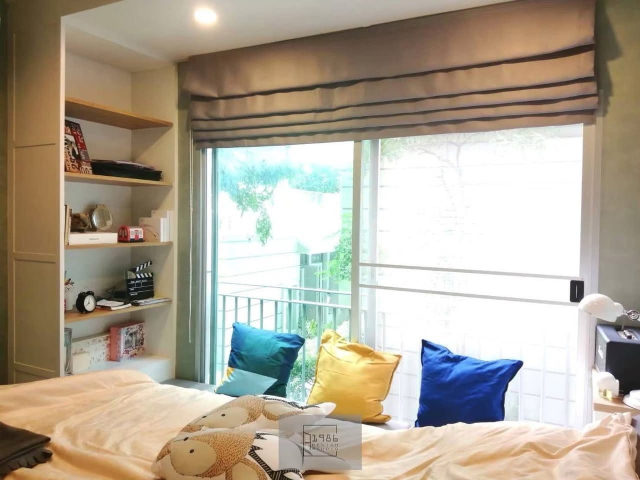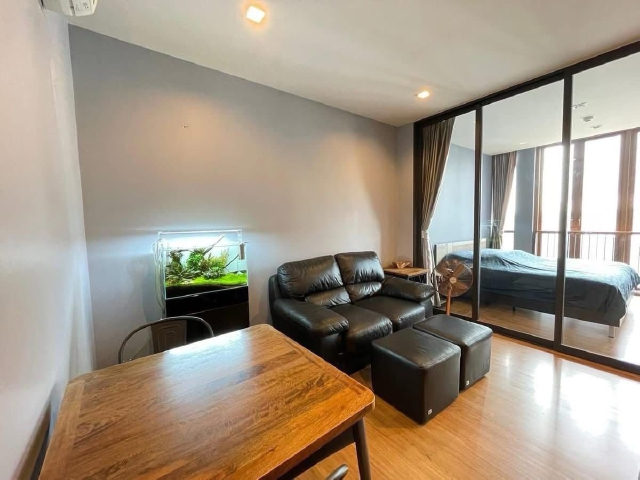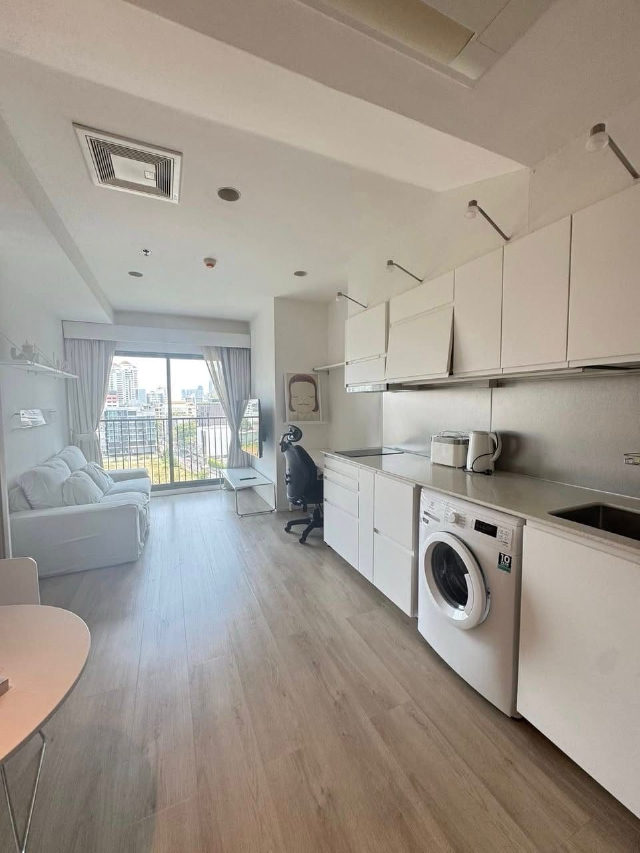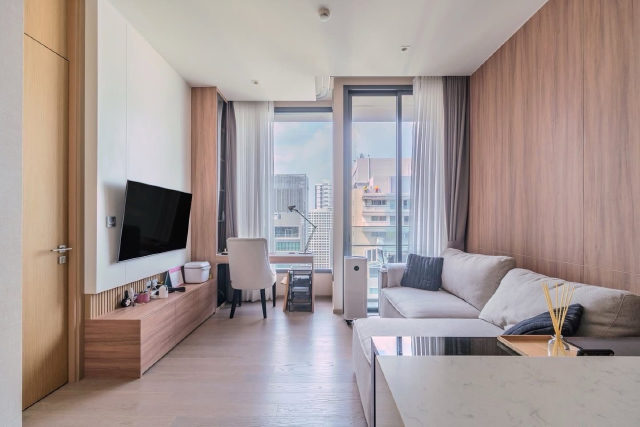

Selling a condo in Thailand takes preparation: ownership documents, a clearance letter from the building, a realistic price, and a Thai or foreign buyer depending on the quota. The transfer takes place at the Land Office, where the transfer fees and taxes are paid. To bring the proceeds home, keep the bank documents from your purchase safe.
People talk a lot about buying and much less about selling. Yet one day you may want to sell your Bangkok apartment: moving back to Europe, a new project, an inheritance. Well prepared, the sale is usually straightforward. This guide describes the steps, the costs to expect and how to bring the money home. Tax rules change and depend on your situation: always have the figures confirmed by the Land Office, the Thai Revenue Department or a lawyer.
1.Preparing the sale
Before you even set a price, gather your documents:
- the title deed of your unit (the condominium title, often called the unit's chanote);
- your passport (the one used when buying, or a document explaining a change of passport number);
- the bank documents from your purchase, especially proof of the transfer of funds from abroad (FET form or equivalent);
- the purchase contract and receipts for the costs you paid at the time;
- if the apartment is rented, the current lease and its end-of-lease terms.
For the transfer, you will also need a clearance letter from the building's juristic person confirming that all fees have been paid. Ask for it a few days in advance.
2.Setting a realistic price
The price is set by recent sales in the same building and in comparable buildings nearby, not by what you paid a few years ago. Several factors matter:
- floor, view and orientation;
- the condition of the apartment and furniture;
- the age and upkeep of the building;
- competition from new projects nearby;
- the distance to the nearest metro station.
A property let to a good tenant may appeal to an investor; a vacant one is easier to show. Both approaches can work.
3.Thai or foreign buyer: the quota question
If your building has reached its foreign quota, a foreign seller can transfer the unit to another foreigner: the quota freed by the seller is, in principle, taken up by the buyer. Selling to a Thai buyer is always possible. Have the building confirm these points before marketing the property, especially if you are targeting foreign buyers.
4.Costs and taxes on sale
At the Land Office, several items are usually paid on the day of transfer. Their amount depends mainly on the property's official appraised value and on how long you have owned it, not just on the sale price:
| Item | What to know | Who pays? |
|---|---|---|
| Transfer registration fee | Proportional to the official appraised value | Negotiable between seller and buyer |
| Specific business tax | Generally applies if the property is sold within the first few years | Usually the seller |
| Stamp duty | Applies when specific business tax does not | Usually the seller |
| Withholding income tax | Based on appraised value and holding period | The seller |
Commonly quoted rates (for example 2% for the transfer fee or 3.3% for specific business tax) must be checked at the time of sale, as they can change or be subject to temporary measures. How costs are split is negotiable and must be written into the sale contract.
Don't forget your country of tax residence: a gain made in Thailand may also need to be declared or taxed there. Ask a tax adviser.
5.Transfer day
The transfer takes place at the Land Office for the district where the building is located. Typically:
- the seller and buyer (or their representatives) arrive with their documents;
- the Land Office officer checks the paperwork and calculates fees and taxes;
- the fees are paid, often by cashier's cheque;
- the purchase price is handed to the seller, most often by cashier's cheque at signing;
- the title deed is put in the buyer's name.
Allow half a day on site, sometimes more depending on how busy it is. On the day, check the amounts on the cheques before signing.
6.Bringing the proceeds home
This is where the documents from your purchase really matter. To transfer money out of Thailand, your Thai bank will usually ask for:
- the sale contract and the Land Office transfer documents;
- proof of the funds' arrival when you bought (FET form or equivalent);
- receipts for the taxes paid on the sale;
- your passport and the details of the destination account.
In practice, you deposit the cashier's cheque into your Thai account, then request the international transfer with these documents. Requirements vary between banks and depending on the amount: call your bank before transfer day for the exact list. Also factor in the exchange rate when converting into foreign currency.
7.Presenting your apartment well
Buyers compare many listings online before visiting. A few simple steps make a difference:
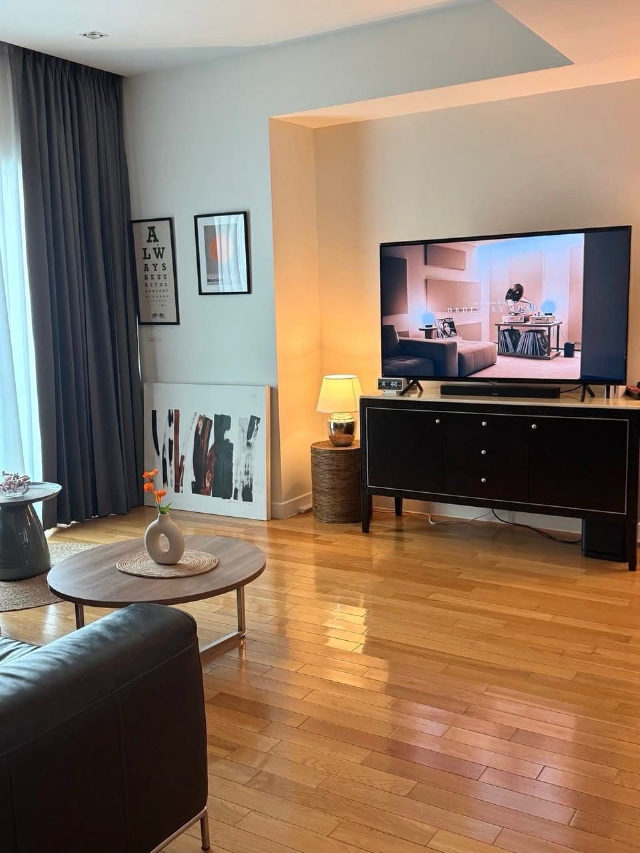
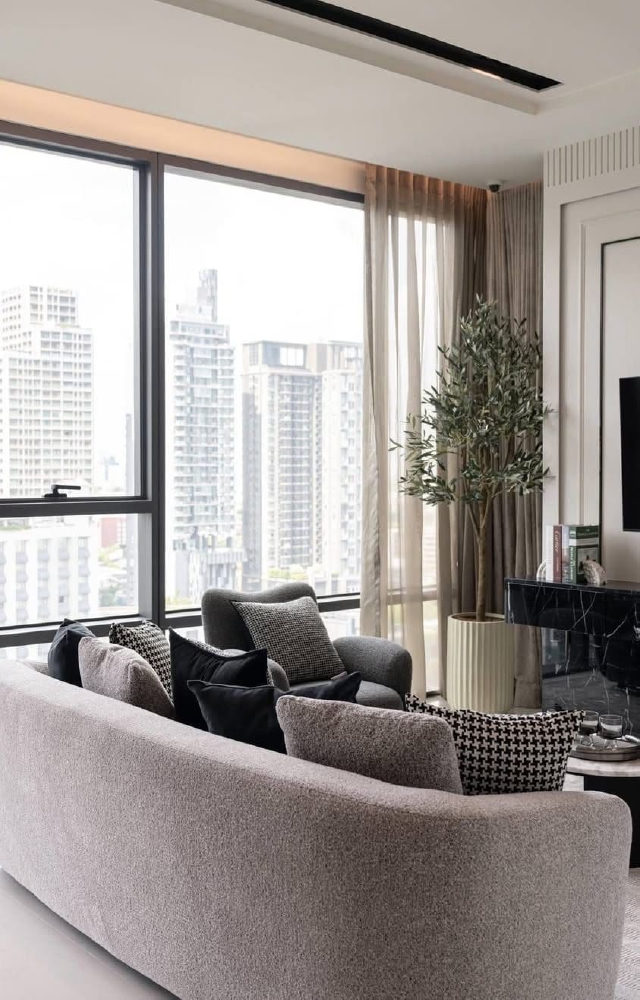
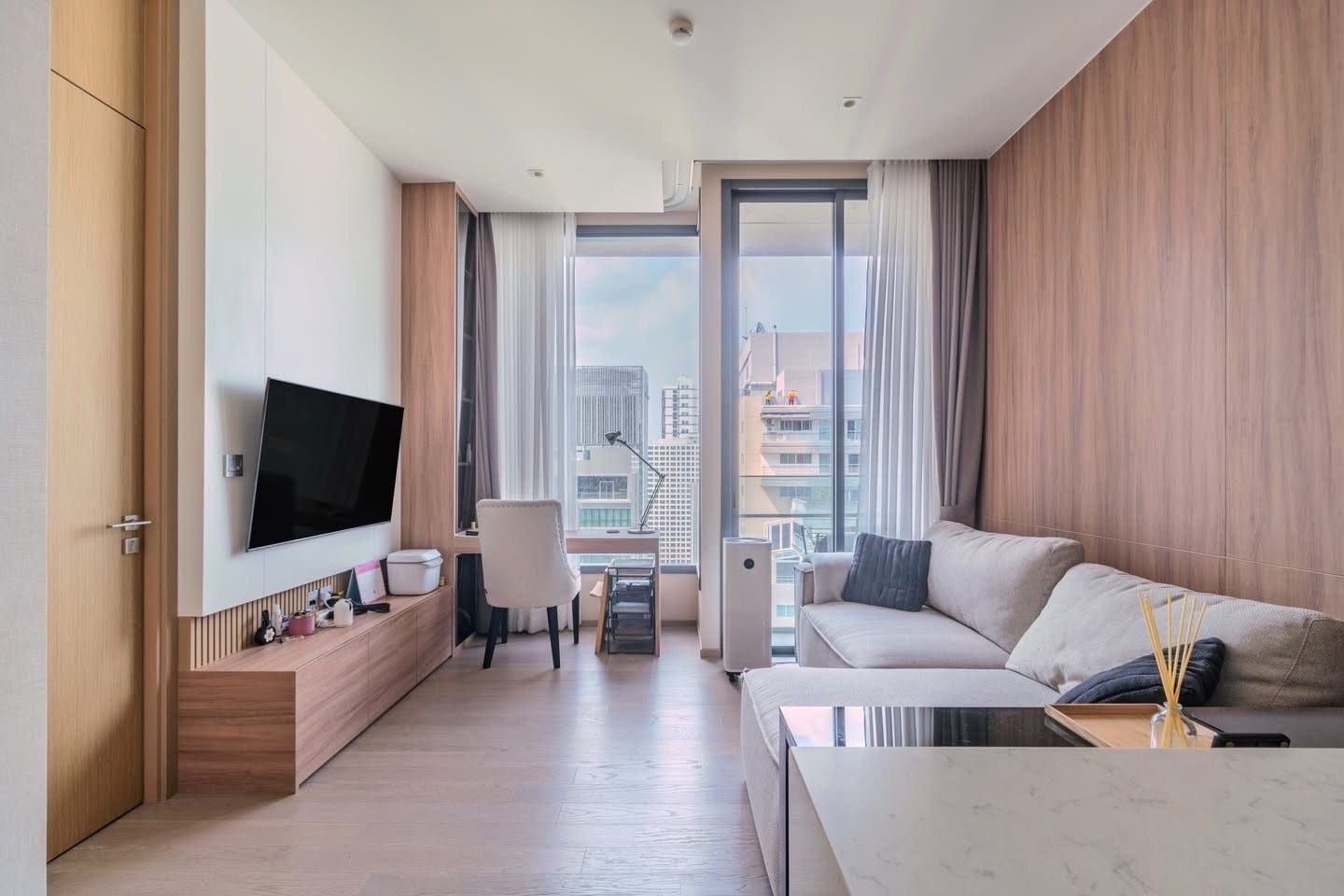
- bright photos, taken in daylight, curtains open, rooms tidy;
- a precise description: floor area, floor, orientation, view, walking distance to the station, building facilities;
- the common fees and sinking fund amount, which buyers always ask about;
- small repairs done before viewings: seals, paint, bulbs, serviced air conditioning;
- a video tour, useful for buyers who live abroad.
If you sell furnished, draw up a list of the furniture included, to attach to the contract.
8.How long does it take?
There is no standard timeline. Marketing can take anything from a few weeks to several months, depending on price, building and market. Once a buyer is found, signing the contract, paying a deposit and transferring at the Land Office usually take a few weeks, time to gather documents and, for a foreign buyer, to bring in funds.
9.Selling a rented property
If your apartment is rented, reread the lease: remaining term, sale clause, notice. You can sell it tenanted to an investor, who takes over the lease, or wait for the lease to end and sell it vacant. Tell your tenant early and arrange viewings with them: a cooperative tenant is an asset. On transfer, the tenant's security deposit must be dealt with clearly between seller and buyer, in writing.
10.Mistakes that delay a sale
- Lost purchase documents, especially proof of the transfer of funds: if you can't find them, ask your bank for a copy now.
- A renewed passport with no document linking the old and new numbers.
- Unpaid fees to the building, which block the clearance letter needed for transfer.
- An incomplete or non-compliant power of attorney, which has to be redone from abroad.
- Starting with too high a price: a property that stays on the market a long time often ends up selling for less.
Preparing these points before marketing saves weeks.
11.How we can help
We know the buildings in our neighbourhoods and the rents achieved there: that helps set a fair price and present your property to French-, English- and Thai-speaking buyers. For the contract, tax and transfer, we work with you and your lawyer.
Frequently asked questions
Can a foreigner sell their condo to another foreigner?
Yes. In principle, the foreign quota freed by the seller is taken up by the foreign buyer. Have the building confirm this before marketing the property.
What taxes does the seller pay?
Generally: withholding income tax and, depending on how long you have owned the property, specific business tax or stamp duty. Registration fees are split as agreed between the parties. Amounts are calculated on the official appraised value: have them confirmed at the Land Office.
Can I bring the sale proceeds home?
Yes, generally, by providing your bank with the sale contract, transfer documents, tax receipts and proof of the funds' arrival when you bought. Check the exact list with your bank.
Do I need to be in Thailand to sell?
No, the transfer can be done by a representative holding a power of attorney that meets the Land Office's requirements. Have it prepared by a lawyer.
General information updated on 10 October 2026; check your contract and with the Find Easy team.