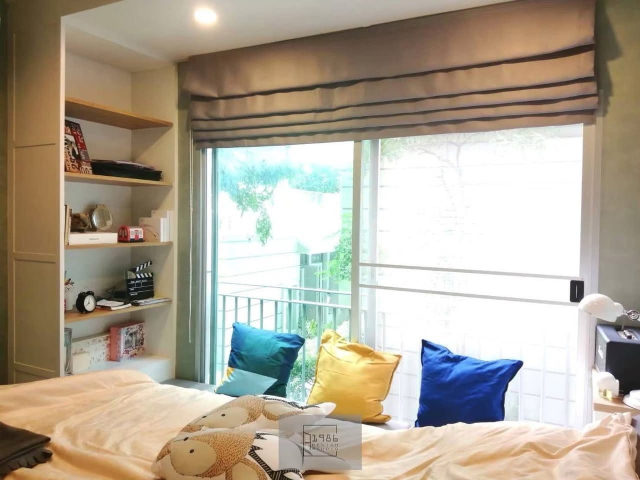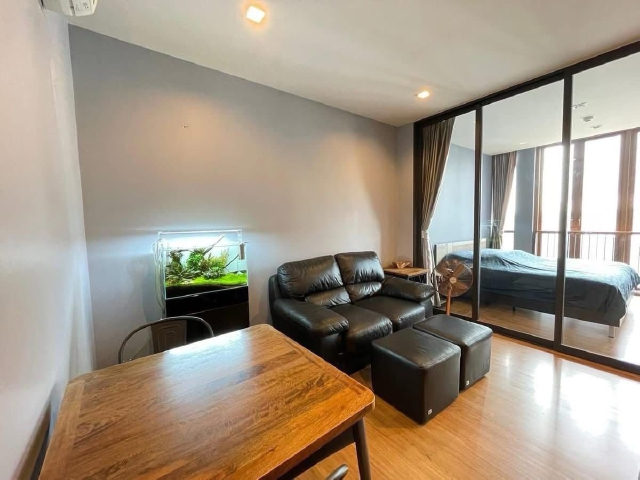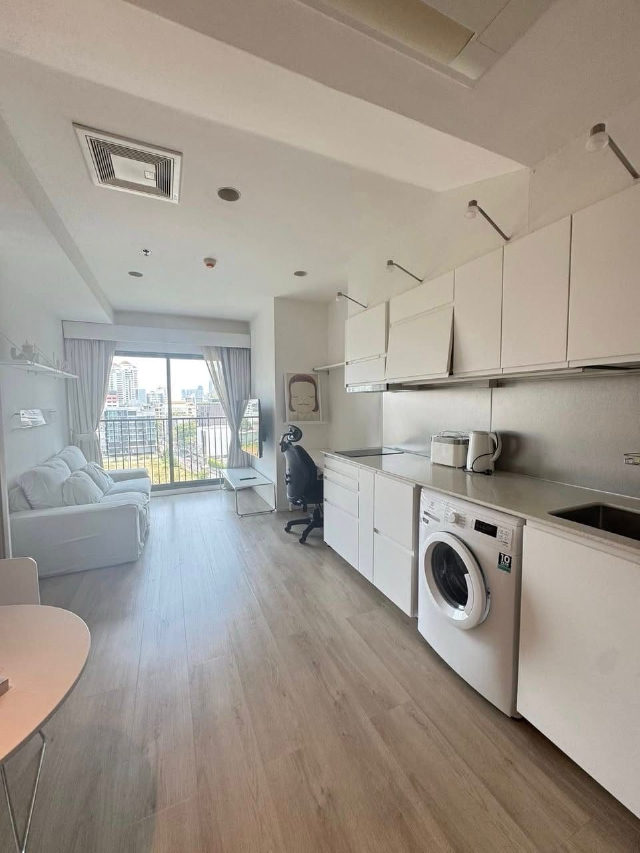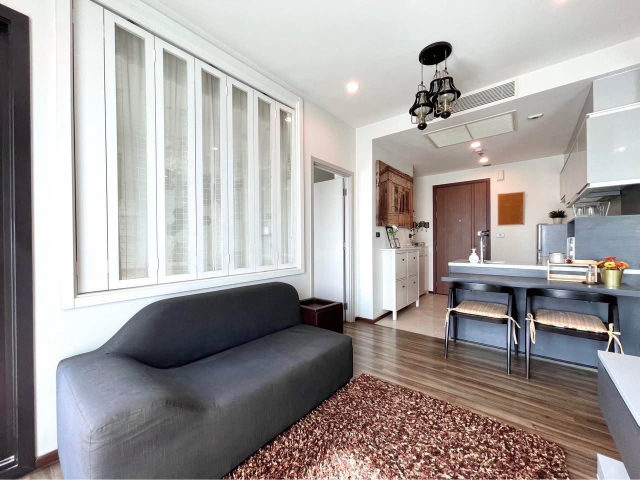

Gross yield is simple to calculate: annual rent divided by the purchase price. On the properties in our catalogue offered both for sale and for rent, it sits at roughly 4.5 to 6% gross, for illustration only. Net yield depends on fees, vacancy and management: that is the figure to estimate before you buy.
Buying a condo in Bangkok to rent it out is something many of our French-speaking clients consider, sometimes even before they move here. The idea is appealing: prices per square metre still far below those of major European cities, strong rental demand around metro stations, and the ability for a foreigner to buy an apartment freehold. This guide explains how to think in terms of yield, using examples from our own catalogue. It is not investment advice: the figures are indicative, and every project deserves its own study.
1.Gross yield vs net yield: what's the difference?
Gross yield is the ratio between one year's rent and the purchase price:
gross yield = monthly rent × 12 ÷ purchase price
It is the figure you see most often in listings and articles. It is useful for comparing two properties, but it does not tell you what actually ends up in your pocket.
Net yield deducts everything the owner pays:
- the building's common fees (maintenance, security, pool), paid by the owner and usually calculated per square metre;
- the months without a tenant between two leases (vacancy);
- management fees if you hand the property to an agency or a manager;
- maintenance and replacement of furniture and appliances;
- insurance;
- taxes on rental income, in Thailand and, depending on your situation, in your country of residence.
Purchase costs (registration, transfer taxes depending on how they are split with the seller) also add to the real cost of your investment. Our guide Buying a condo in Thailand as a foreigner lists the questions to ask on these points.
2.Worked examples from our catalogue
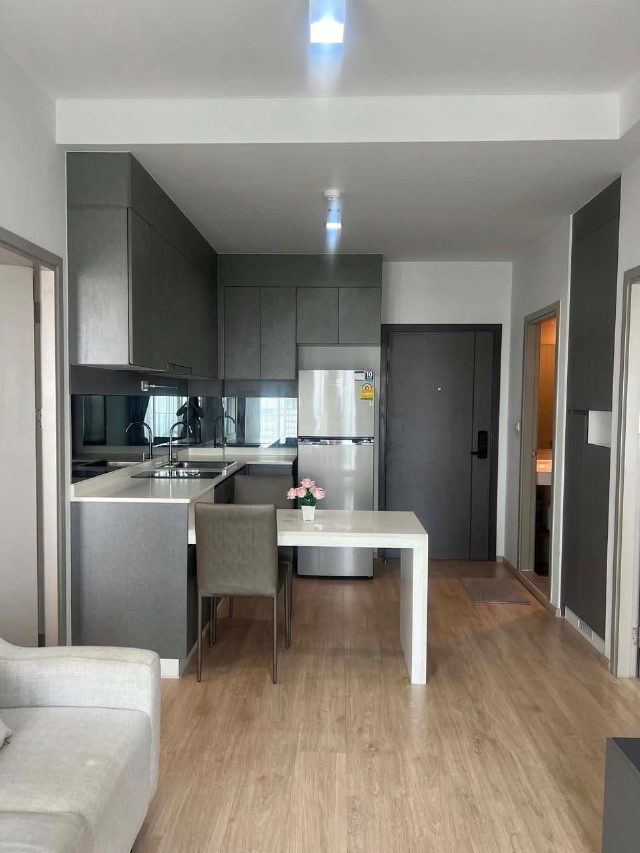
Several properties in our catalogue are offered both for sale and for rent, in the same building and for the same floor area. They make a concrete calculation possible. The figures below use asking prices as of 10 October 2026: an asking rent is not a guaranteed rent, and an asking price is not necessarily the final price after negotiation.
| Building | Size | Asking sale price | Asking rent | Indicative gross yield |
|---|---|---|---|---|
| Wyne by Sansiri (Phra Khanong) | 35 m² | ฿4,200,000 | ฿20,000/month | ≈ 5.7% |
| HASU HAUS Sukhumvit 77 (On Nut) | 37 m² | ฿4,489,998 | ฿20,000/month | ≈ 5.3% |
| Noble Remix Thonglor (Thong Lo) | 42 m² | ฿5,190,000 | ฿22,000/month | ≈ 5.1% |
| Ideo New Rama 9 (Ramkhamhaeng) | 52 m² | ฿6,150,000 | ฿25,000/month | ≈ 4.9% |
| Life One Wireless (Ploenchit) | 35 m² | ฿7,200,000 | ฿28,000/month | ≈ 4.7% |
| The Esse Asoke (Asoke) | 46 m² | ฿12,000,000 | ฿45,000/month | ≈ 4.5% |
Detailed example with Noble Remix Thonglor: ฿22,000 × 12 = ฿264,000 of rent per year. Divided by ฿5,190,000, that is about 5.1% gross.
From gross to net: an illustration
Take the same apartment with illustrative assumptions, to be replaced by the real figures of the property you are looking at:
- one month without a tenant per year: −฿22,000;
- hypothetical common fees of ฿50 per m² per month: 42 m² × 50 × 12 = −฿25,200;
- a maintenance and insurance budget of about ฿10,000 per year.
That leaves about ฿206,800, a yield of roughly 4% before tax and before management fees. This calculation ignores purchase costs and movements in the baht–euro exchange rate, which can work either way.
3.Which properties rent best?
There is no guaranteed formula, but a few patterns keep coming up in our conversations with tenants:
- Being close to the metro. In Bangkok, an apartment a few minutes' walk from the BTS or MRT rents more easily than a larger home further away. Traffic makes the station the first search criterion for many tenants.
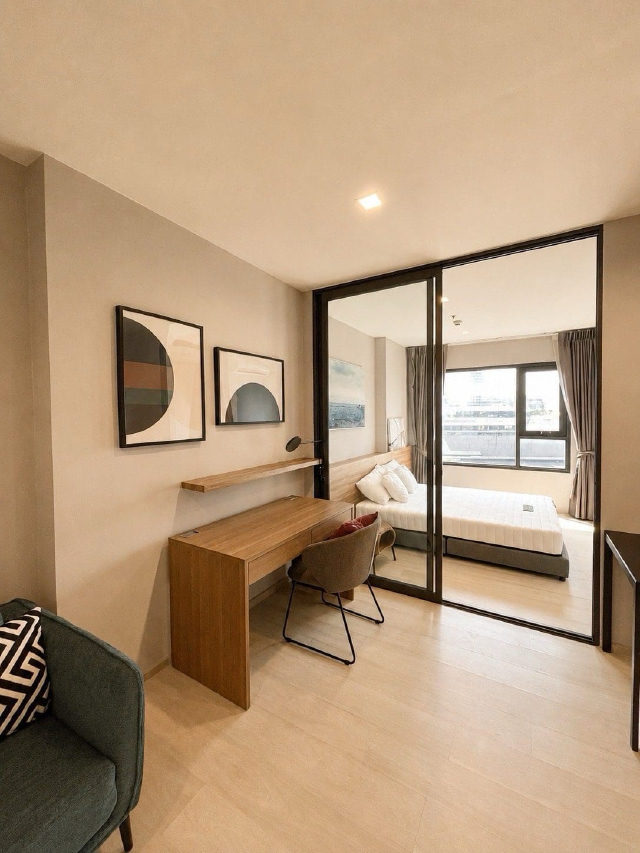
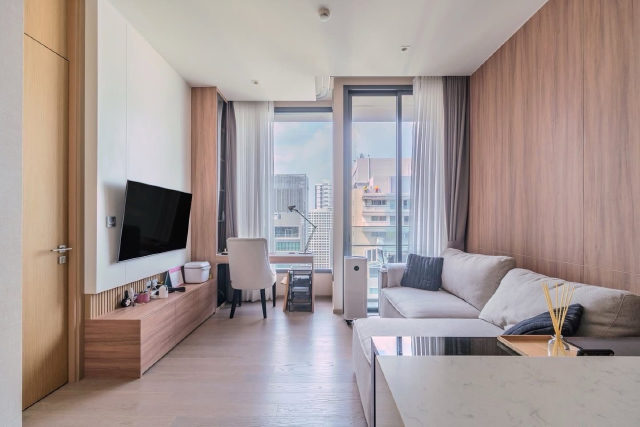
- Small furnished units. Fully furnished studios and one-bedrooms of 25 to 45 m² match the widest demand: young professionals, single expats, couples.
- A well-run building. Pool, gym, security and well-kept common areas matter as much as the apartment itself.
- A reasonable purchase price. As the table shows, gross yields tend to be higher where the price per square metre is lower. The most prestigious addresses often yield less in percentage terms, even if they may hold their value better over time.
4.Which neighbourhoods to look at?
Each neighbourhood attracts a certain kind of tenant. A few pointers, with no predictive value:
- On Nut and Phra Khanong: more affordable purchase prices, the BTS Sukhumvit line, strong demand from young professionals.
- Thong Lo and Phrom Phong: expat tenants and high rents, but high purchase prices too.
- Asoke and Ploenchit: central, with BTS/MRT interchanges and a professional clientele.
- Rama 9 and Ramkhamhaeng: a growing business district with the MRT and Airport Rail Link nearby.
Our guide Choosing your Bangkok neighbourhood for your lifestyle describes these areas from a resident's point of view — which is also the best angle for an investor: you rent to people who live there.
5.Vacancy and remote management
If you don't live in Bangkok, management is a question from day one. Someone has to find tenants, arrange viewings, do the check-in inventory, collect the rent, handle repairs and take the apartment back at the end of the lease. These tasks have a cost, which belongs in the calculation.
Vacancy depends on the property, the asking rent and the season. A rent slightly below market often lets faster and reduces empty months. One-year leases are the norm for residential rentals and bring stability.
6.Risks to weigh before buying
A buy-to-let investment carries risks that are best faced squarely:
- Exchange rates: your rent is in baht, your budget may be in euros.
- Competition from new buildings: many projects complete each year, and a newer building next door can weigh on your rent.
- Resale: depending on the building's foreign quota and the market, selling can take time.
- Tax: rental income is taxable. Check your situation in Thailand and in your home country with a tax adviser.
- Building rules: some condominiums strictly regulate rentals.
7.Our approach
We don't sell guaranteed yields. We help our clients compare real properties with each building's real figures: fees, rents achieved in the building, foreign quota, condition of the building. For an investment decision, advice from a legal and tax professional remains essential.
Frequently asked questions
What rental yield can I expect in Bangkok?
On the properties in our catalogue offered both for sale and for rent, the gross yield calculated on asking prices is around 4.5 to 6%, for illustration only. Net yield, after fees, vacancy and management, is lower. No yield is guaranteed.
Who pays the common fees on a rented condo?
Generally, the owner pays the building's common fees and sinking fund, while the tenant pays electricity, water and internet. Check what the lease says.
Can a foreigner buy a condo to rent it out?
Yes, a foreigner can buy a condominium unit freehold if the building's foreign quota allows it, then rent it out, subject to the building's rules and the regulations on short-term rentals.
Do I need a manager if I live abroad?
It is strongly recommended: someone has to handle viewings, inventories, repairs and the end of the lease. Include this cost in your net yield calculation.
General information updated on 10 October 2026; check your contract and with the Find Easy team.