
In Bangkok, rent makes or breaks your budget: it is what separates a comfortable life from a tight one. Everything else depends on how you live: local food or imported products, BTS or taxis, international or local health cover. This guide helps you build your own budget, item by item, with orders of magnitude to check on the spot.
"How much do you need to live in Bangkok?" It is one of the first questions people ask us, and the honest answer is: it mostly depends on you. The city lets you live very simply or very comfortably, sometimes in the same building. Rather than a single figure, this guide gives you a method: the items to plan for, what makes each of them vary, and benchmarks drawn from our listings.
The amounts mentioned are orders of magnitude observed in 2026, to be adapted to your situation and to the exchange rate of the day. They do not replace a simulation based on your own habits.
1.Rent, the biggest item
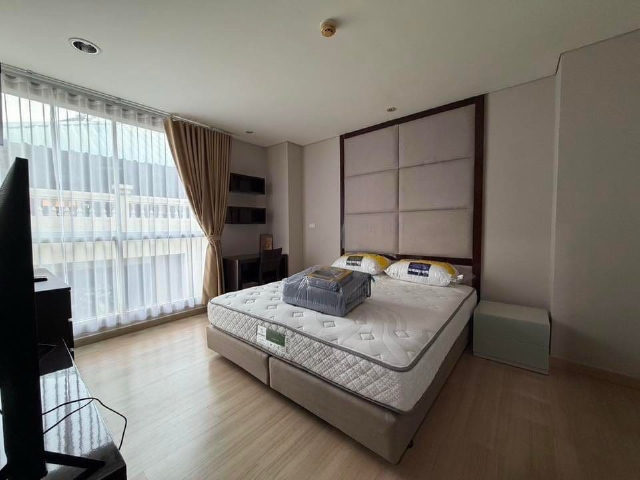
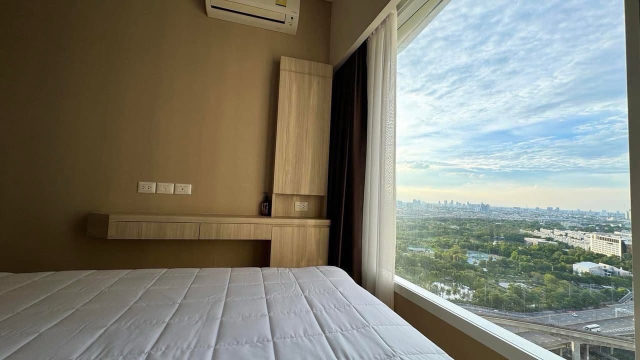
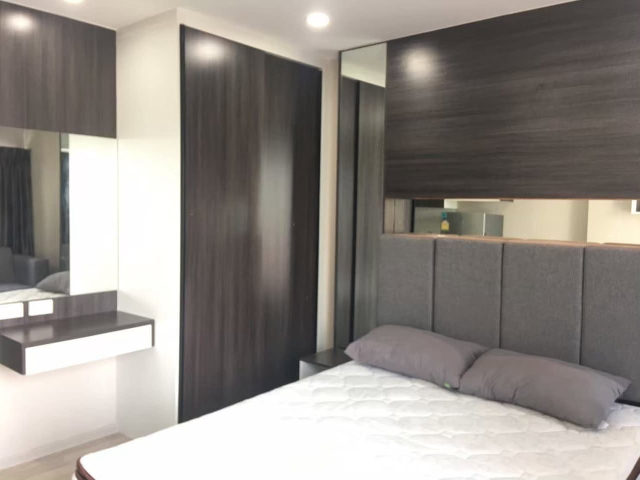
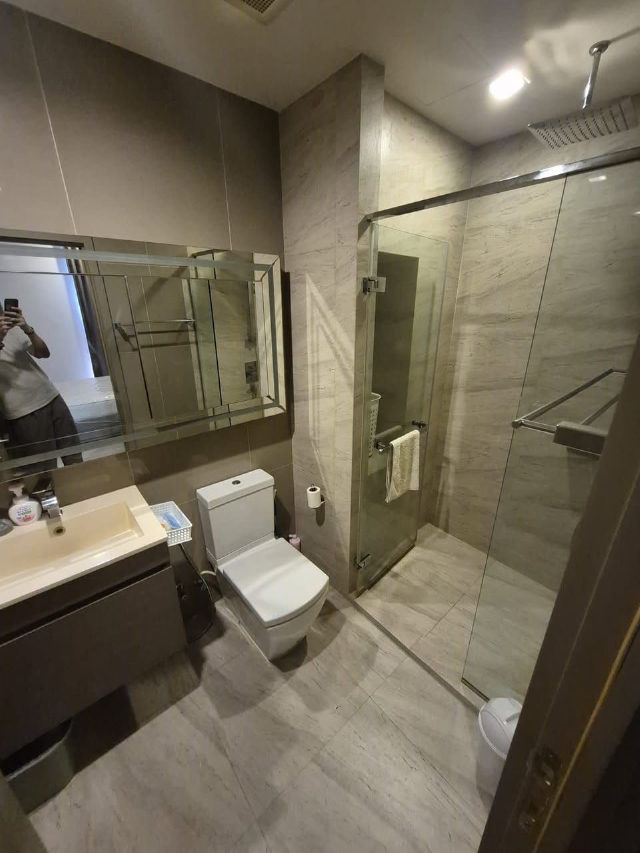
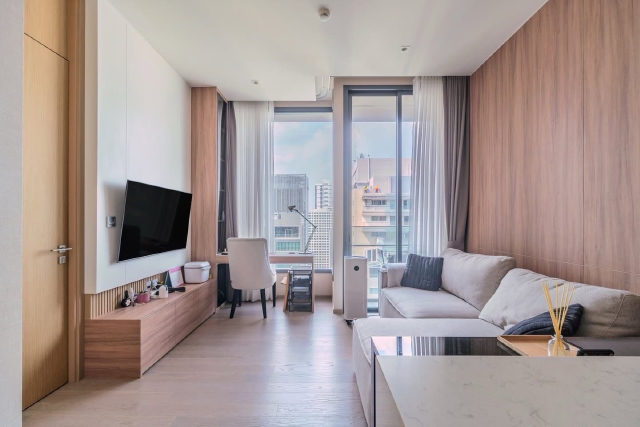
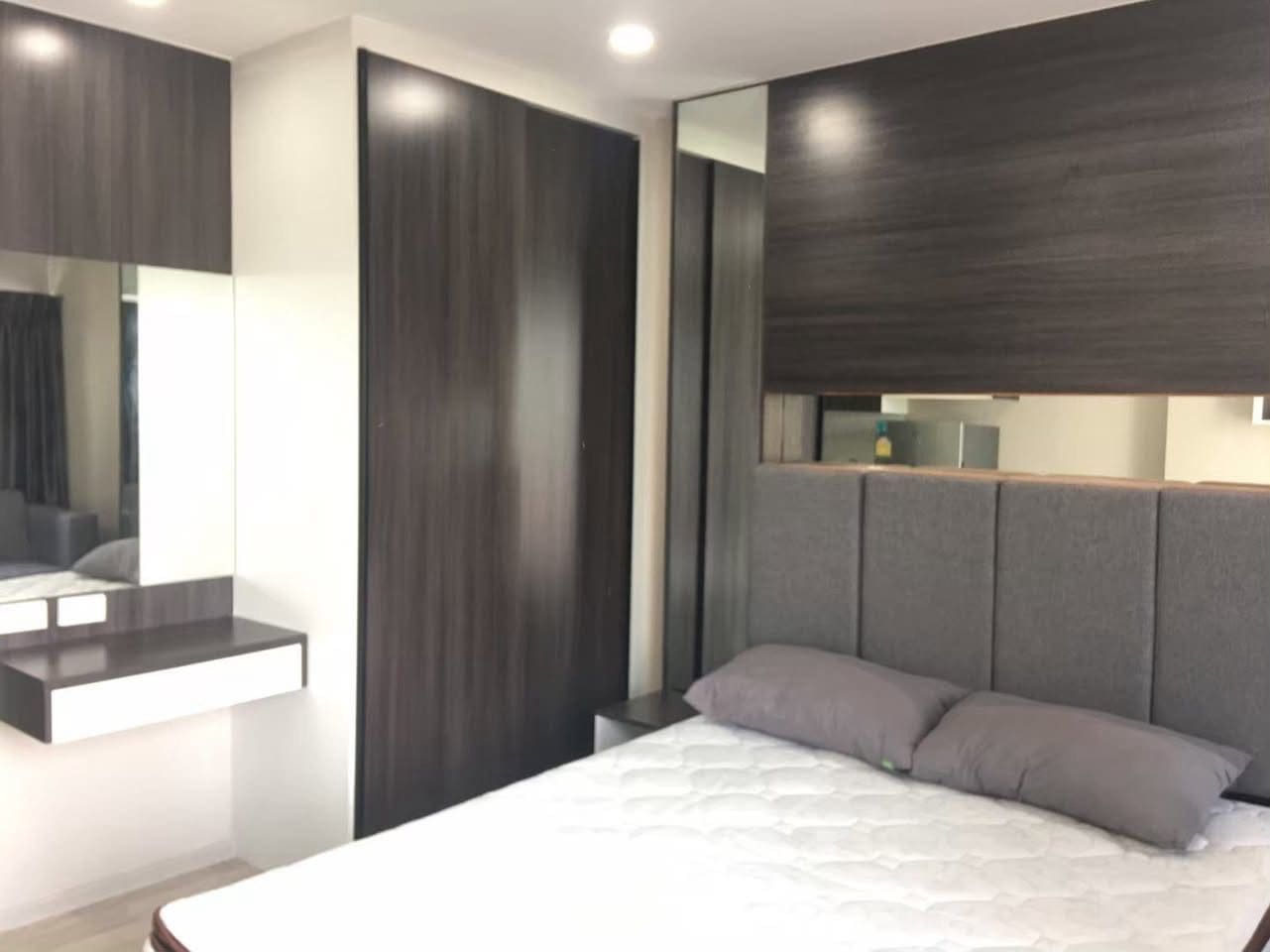
Housing is almost always the largest expense. In our catalogue on 10 October 2026, half of the rentals were under about 26,500 ฿ a month; the most affordable studios and one-bedroom units start at around 10,000 to 17,000 ฿, while large family apartments in central areas often exceed 70,000 ฿.
Three factors move the rent far more than the size:
- distance to a BTS or MRT station: a few extra minutes' walk can lower the price noticeably;
- the neighbourhood: Thong Lo, Phrom Phong or Asoke cost more than On Nut, Phra Khanong or Rama 9 for the same size;
- the age and facilities of the building: pool, gym, security, quality of maintenance.
To compare, start from your daily commute, then look at the areas served by the same line. Our guide Choosing your neighbourhood in Bangkok explains the method, and Renting a condo in Bangkok covers what you pay upfront (security deposit and advance rent), which weighs on your cash flow in the first months.
2.Housing bills
On top of the rent come electricity, water and internet. Electricity is the item that surprises people most: air conditioning runs a lot, and some buildings charge more than the public rate. Before signing, ask how electricity is billed and, if possible, for a recent bill. Everything is explained in our guide Electricity, water, internet: the bills to expect.
Common charges (maintenance, pool, security) are usually paid by the owner and already included in the rent: have this confirmed for each property.
3.Food: markets, restaurants, imported products
This is where the gaps are widest. Eating Thai food in canteens, mall food courts or on the street remains very affordable: a simple dish often costs a few dozen baht. Imported products (cheese, wine, cold cuts, breakfast cereals), on the other hand, can cost more than in Europe because they are heavily taxed.
In practice, three profiles emerge:
- local food every day, Western restaurants now and then: a modest food budget;
- a mix: supermarket shopping with some imported products, restaurants two or three times a week;
- European habits: regular imported products, international restaurants, frequent deliveries: a budget close to, or above, that of a large European city.
Alcohol, and wine in particular, quickly drives the bill up: it is often the line that makes a budget slip.
4.Transport, phone, internet
Living near a station changes everything. The BTS and MRT are fast, air-conditioned and priced by distance; a single journey generally costs a few dozen baht. Ride-hailing apps and taxis remain affordable for occasional trips, but rush-hour traffic makes journeys longer.
A mobile plan with plenty of data is cheap compared with Europe, and fibre is widely available in condos. If you plan to buy a car, budget considerably more (purchase, insurance, parking).
5.Health and insurance
This is the item not to underestimate. Bangkok has excellent private hospitals, but their prices are high for a hospital stay. Health insurance suited to your situation (international, local, or top-up cover depending on your status) is therefore essential. Its price depends heavily on age and level of cover: ask for several quotes before you leave.
6.Three typical budgets: single, couple, family
Rather than fixed amounts, here is how the items break down for the profiles we work with. Fill in the amounts with your own choices.
| Item | Single person | Couple | Family with children |
|---|---|---|---|
| Housing | Studio or one-bedroom near a station | One or two bedrooms, central or well connected | Two to three bedrooms, often near schools |
| Bills | Moderate electricity | Higher electricity (remote work, air con) | Significant, several air-conditioned rooms |
| Food | Mostly local | Mix of local and imported | Family shopping, imported products for children |
| Transport | BTS, MRT, ride-hailing | BTS, ride-hailing, sometimes a car | Often a car or driver, school runs |
| Health | Individual insurance | Two policies | Family insurance |
| Specific | Leisure, sport | Travel in the region | Schooling: a major item in an international school |
For a family, international or bilingual school fees can exceed the rent: check directly with the schools, which publish their fees.
7.The expenses people forget
A few lines come up again and again in budgets that slip:
- moving in: security deposit and advance rent, small appliances, linen, kitchenware;
- visas and paperwork: visa fees, renewals, document translations;
- trips back to Europe: flights, especially as a family and in high season;
- bank and exchange fees: international transfers, withdrawals with a foreign card;
- cleaning: many expats hire a housekeeper a few hours a week.
8.Paying day to day: bank, card, exchange
How you pay also affects your budget. With a foreign card, each ATM withdrawal generally incurs a fixed fee from the Thai bank, on top of your own bank's fees and the exchange rate applied. Over a year, these small amounts add up.
Many residents open a Thai bank account once settled: QR code payments (very widespread, even at small vendors), free or cheap local transfers, paying rent and bills. Account opening conditions depend on the bank and your visa; check directly with the branches.
For transfers from abroad, compare the options (traditional bank, specialist transfer services) on total cost: displayed fees and exchange rate margin.
9.How to build your budget
- Set your housing budget first, bills included, based on your commute and target area.
- Add health insurance (real quotes) and, for a family, schooling.
- Estimate food according to your profile, staying cautious about imported products.
- Keep a margin for the unexpected and for the first months.
If you are preparing a move, our team can help you match your housing budget against the properties actually available, area by area, before you even arrive.
Frequently asked questions
What budget do I need to live alone in Bangkok?
It depends on the rent and on your eating habits. In our catalogue, half of the rentals are under about 26,500 ฿ a month; add bills, food, transport and health insurance. Do the maths with your own choices rather than with an average figure.
Is life cheaper than in Europe?
Housing, transport and local food often are. Imported products, wine, international schooling and health insurance, however, can cost as much or more.
Which item makes a budget vary the most?
Rent first, then food (local or imported) and, for families, schooling.
Do I need a lump sum when I arrive?
Yes: the security deposit and advance rent are paid when you move in, on top of setting-up costs. The amounts depend on the lease: have them confirmed for each property.
General information updated on 10 October 2026; check your contract and with the Find Easy team.