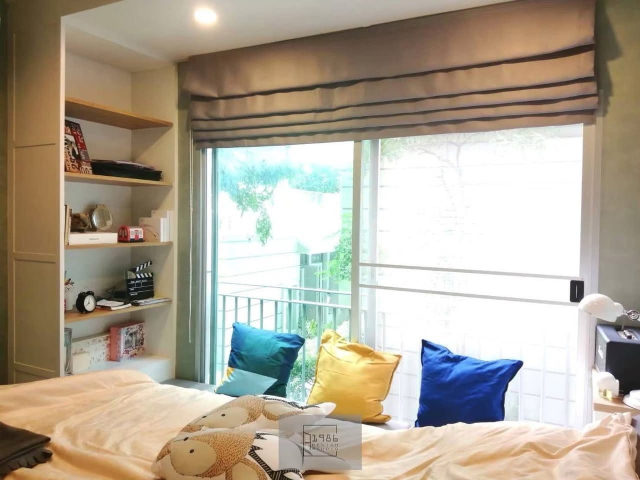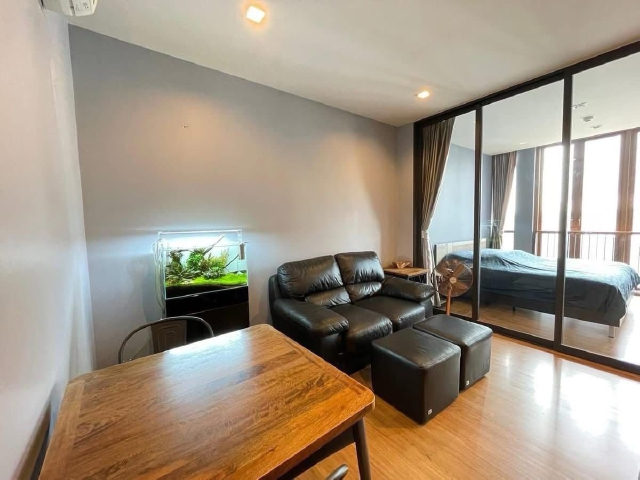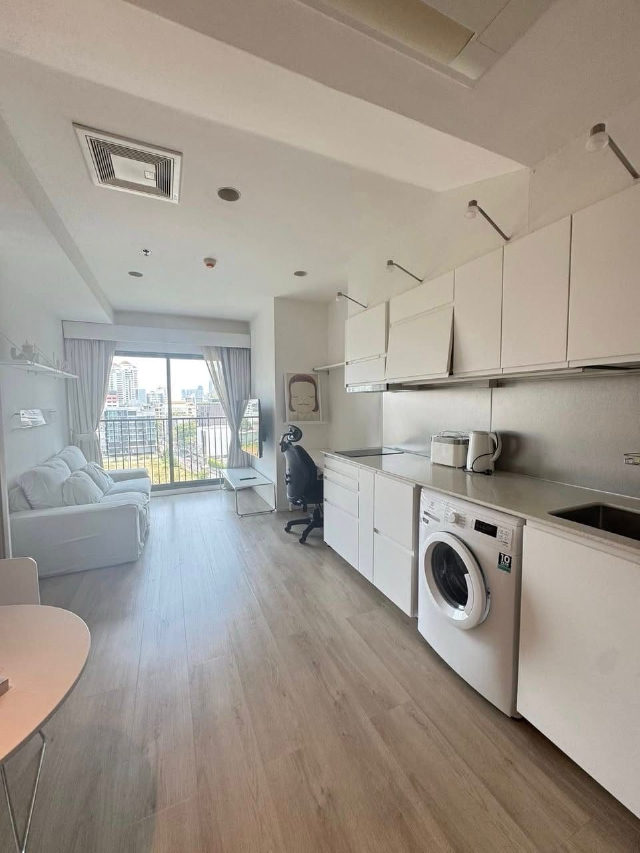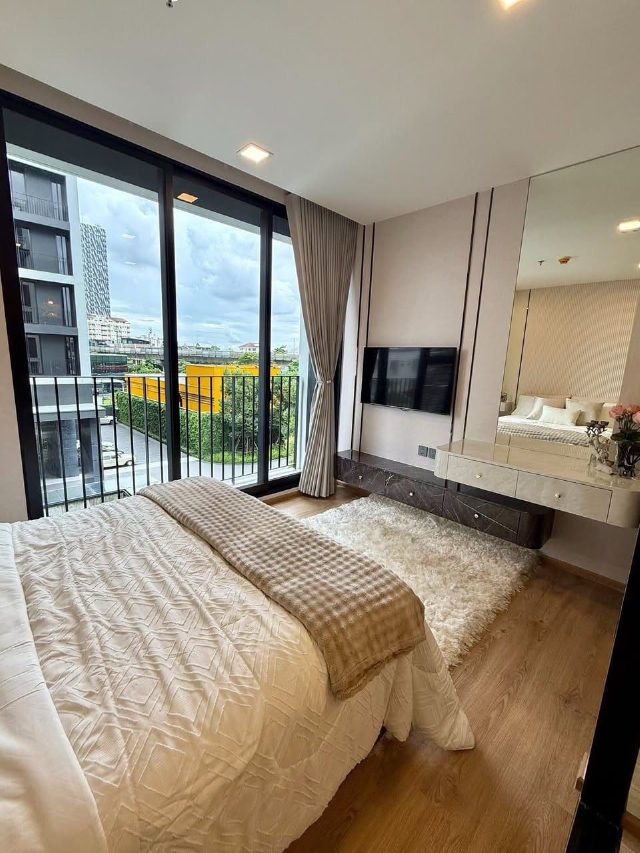

In Thailand, letting accommodation by the night or week to travellers generally falls under hotel regulations, which require a licence. Many condominiums also ban short-term rentals in their rules. Monthly rentals with a lease of at least 30 days remain the safest option. The framework may change: get advice from a lawyer before you start.
"Will I be able to rent my apartment on Airbnb when I'm not in Bangkok?" Clients who buy a condo to live in part of the year ask us this a lot. On paper, the idea is simple: make the months away pay. In practice, the Thai legal framework is restrictive and condominiums get involved too. This guide gives an overview in general terms. It is not legal advice: the rules and how they are enforced can change, and only a lawyer can assess your situation.
1.Why do people talk about a 30-day limit?
In Thailand, the Hotel Act governs accommodation provided to travellers for payment. Under the commonly accepted interpretation, letting a home for less than 30 days, on a regular basis, to people passing through amounts to running a hotel business. Operating a hotel requires a licence, which condominium units generally cannot obtain.
By contrast, a let of at least one month, with a proper lease, is an ordinary residential tenancy. That is why you often hear about the "30-day rule".
Court decisions and inspections have targeted short-term rentals in condos, including in Bangkok. Possible relaxation of the rules has been discussed in the press several times, but until a new text is adopted and in force, you have to stick to the current rules.
2.The building's rules
Quite apart from the law, every building has its own condominium by-laws, adopted by the owners. Many expressly ban daily or weekly rentals. The reasons are always the same: security, strangers coming and going, heavy use of the pool and gym, residents' complaints.
In practice, the building can:
- refuse to issue access cards to travellers;
- apply fines provided for in the by-laws;
- report the situation to the authorities.
3.What you risk
The risks are not theoretical:
- penalties under the Hotel Act for operating without a licence, which can include substantial fines and, under the law, heavier penalties;
- fines from the building and disputes with neighbours;
- removal of the listing by the platform if reported;
- overlooked reporting obligations: hosting foreigners must be reported to immigration (the TM30 notification), which many hosts don't know.
Think about insurance too: a standard home policy may not cover tourist letting.
4.Monthly rentals: the safe option
The solution we most often recommend to clients is monthly rental, with a written lease of at least 30 days. It is compatible with most building rules and meets real demand in Bangkok:
- expats on assignments of a few months;
- newcomers looking for a temporary home before committing to a year;
- families on extended stays;
- digital nomads staying several months.
Small furnished units near the metro are particularly well suited. Monthly rent is higher than on a one-year lease, but so may be the vacancy between tenants: do the maths over a full year. Our guide Buy-to-let in Bangkok: yields and neighbourhoods explains how to think in terms of net yield.
For a short lease, be precise: length, security deposit, what is included (cleaning, internet, electricity or not), check-in and check-out inventory.
5.What about yearly rentals?
A standard rental on a one-year lease remains the simplest and most stable formula. It matches most residential demand in Bangkok: employees, families, settled expats. Monthly rent is a little lower than on a monthly let, but tenant changes are rare, management is lighter and move-in and move-out costs (cleaning, inventories, small repairs) come round less often.
For an owner who lives abroad most of the year, it is often the best balance. The drawback: the apartment isn't available for your own stays while the lease runs. Some clients therefore let for the year and stay elsewhere when they visit Bangkok.
Others alternate: a yearly let during long absences, then taking the apartment back when the lease ends. Either way, set out the renewal terms and notice period in the lease to stay in control of your calendar. It's also the moment to spell out who pays what: common fees, electricity, water, internet and small repairs.
6.Declaring rental income
Whether monthly or yearly, renting out generates taxable income. In Thailand, income from property located in the country is in principle taxable there, with arrangements that depend on your status. In your country of residence, this income must also be declared under local rules and the applicable tax treaties. A tax adviser will tell you how to avoid double taxation.
7.Before buying to rent out: the checklist
If renting out is part of your plan, check these points before committing:
- the current condominium by-laws and their rules on letting (minimum term, notifying the manager, access cards);
- the building manager's written position on monthly rentals;
- the monthly rents actually achieved in the building, not just the asking rents;
- the fees and what you still pay when the unit is empty;
- how you will handle arrivals and departures remotely: keys, cleaning, inventories, repairs;
- insurance suited to a rented home.
8.Setting up a monthly rental that works
A successful let of a few months relies on a ready-to-live-in home: full furniture, linen, crockery, internet installed, well-maintained air conditioning. Short-stay tenants often arrive with a suitcase and expect to work from day one.
The lease must be clear and in writing: term, rent, security deposit, what is included, building rules, exit terms. Do an inventory with photos at check-in and check-out, and decide who handles it if you are abroad. Finally, remember the formalities: residence notification for foreign tenants must be filed on time.
Well prepared, monthly letting remains a legal and flexible way to make an apartment pay while you are away.
9.Our view
Buying a condo in Bangkok counting on Airbnb income is a risky bet: legally fragile and dependent on the building's goodwill. If renting out is part of your plan, choose a building whose rules allow monthly rentals, have those rules and your plan reviewed by a lawyer, and build your budget on realistic monthly rents. For every building you visit, we can tell you what we know about its rules and the rents achieved there.
Frequently asked questions
Is Airbnb legal in Thailand?
Letting accommodation to travellers for less than 30 days generally falls under the Hotel Act, which requires a licence condos generally cannot obtain. Renting for at least 30 days with a lease is the safest route. Have your situation checked by a lawyer.
Can the building ban short-term rentals?
Yes, many condominium by-laws prohibit it and provide for fines. Ask for the by-laws and a written answer from the building manager before you buy.
Do I have to report foreign tenants?
Yes, hosting foreigners must in principle be reported to immigration (the TM30 notification), including for monthly rentals.
Are monthly rentals profitable?
Monthly rent is higher than on a one-year lease, but vacancy can be too. Do the maths over a full year, including fees and management.
General information updated on 10 October 2026; check your contract and with the Find Easy team.